A 100-watt USB-C power adapter that once cost over $50 is now available for $33—a discount that signals more than just a price war. For IT departments, the change introduces a new layer of complexity: when to adopt this technology without risking obsolescence in an era where power demands are rising faster than ever.
The charger itself is a study in compact efficiency. Measuring 5.7 x 2.3 inches and delivering 100 watts through USB-C, it was built for environments where space and performance collide—think mobile workstations or high-density offices. But its $33 price tag complicates the calculus for IT teams already navigating the shift from legacy power standards to USB-C dominance.
The real question isn’t whether to deploy these chargers; it’s when. The timing of this drop reflects a broader market consolidation, where manufacturers are cutting costs without compromising performance. For IT, that means weighing immediate savings against the potential for premature investment in a charger that may not meet the power needs of next-generation devices—especially those pushing 240 watts or higher.
Consider the trade-offs: A $33 charger offers clear cost advantages over older solutions, but its 100-watt output may not align with the demands of gaming rigs or AI workloads. Upgrading now could leave IT teams with stranded assets if higher wattage becomes the standard sooner than expected. On the other hand, waiting risks missing out on bulk purchasing discounts as competitors race to match the price.
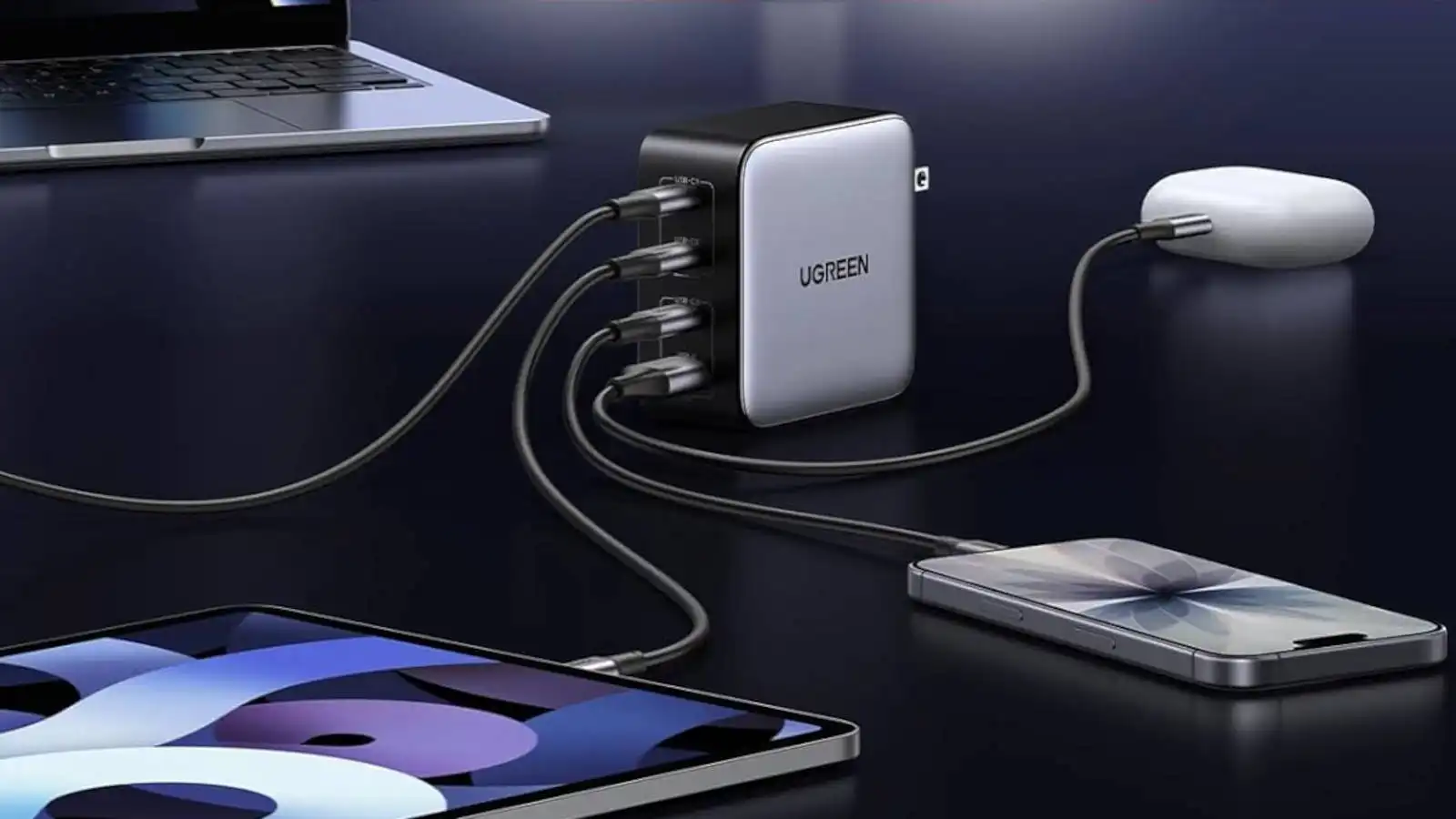
- Cost efficiency: The $33 price significantly reduces per-unit costs in large-scale deployments, but IT must verify compatibility with existing USB-C infrastructure—such as docks and monitors—which may require higher wattage or proprietary connectors.
- Lifespan vs. speed: While 100 watts is sufficient for most laptops today, the trend toward higher power demands means IT should audit current device inventory to avoid overinvesting in technology that could become outdated quickly.
- Supply chain agility: The charger’s compact size suggests it could fit seamlessly into mobile carts or travel kits, but bulk orders may face unexpected lead times if demand surges unexpectedly.
The $33 price is a benchmark worth monitoring. If other manufacturers follow suit, IT teams could see a flood of 100-watt chargers hitting the market within months—creating both opportunities for cost savings and risks of overstocking outdated specs. The upgrade decision now hinges on balancing immediate needs with long-term flexibility, ensuring that IT doesn’t just save money but also stays ahead of evolving power delivery standards.