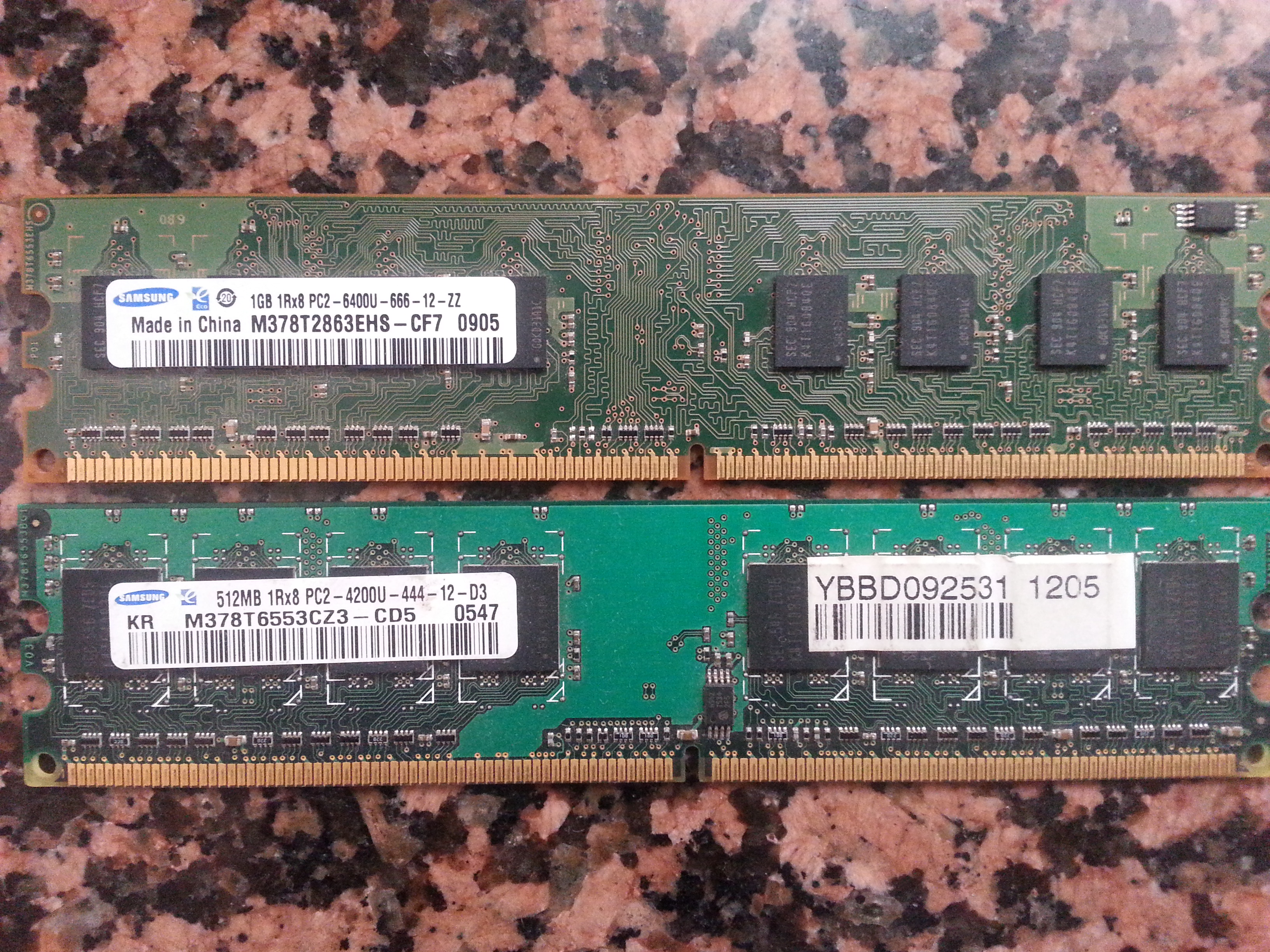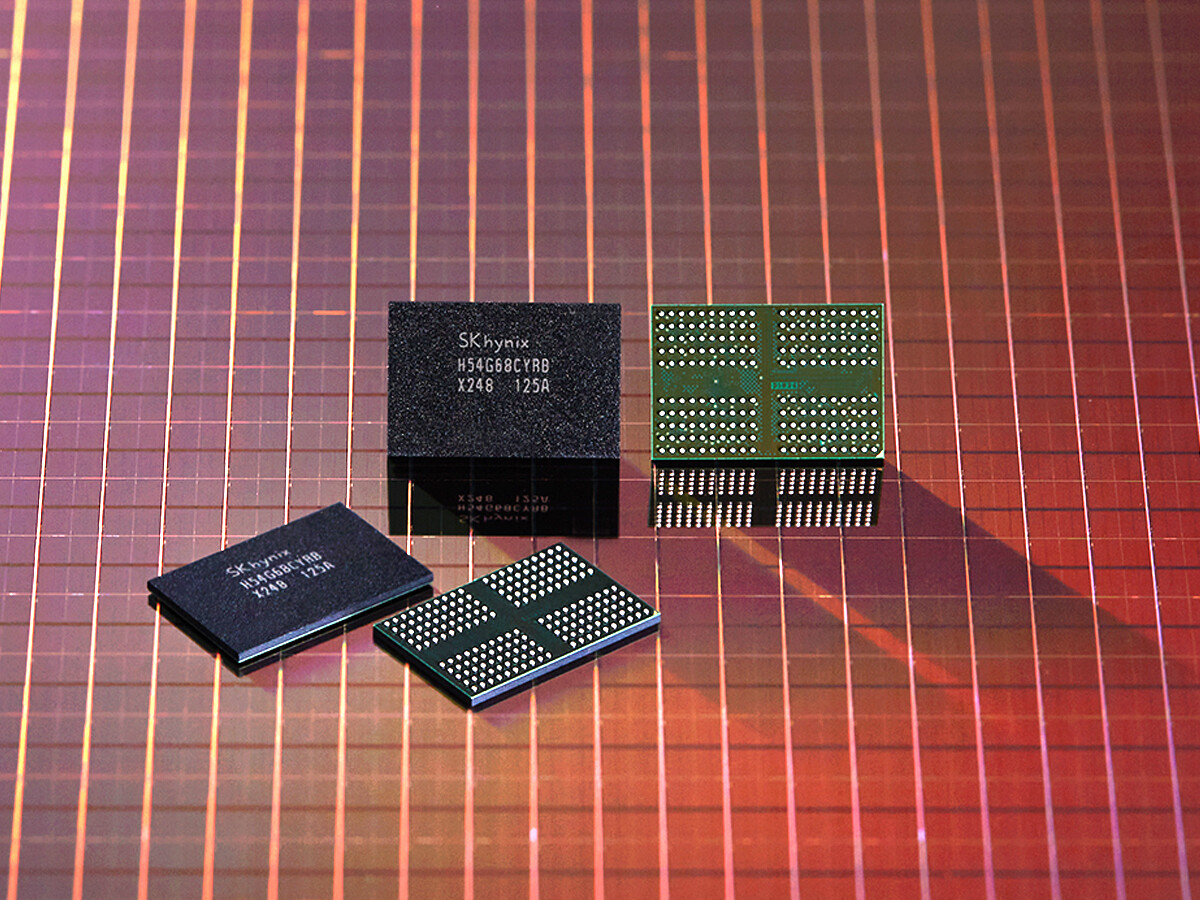
The surge in AI workloads is creating a critical imbalance between memory demand and supply, pushing both hardware makers and software developers to rethink how efficiently systems can operate.


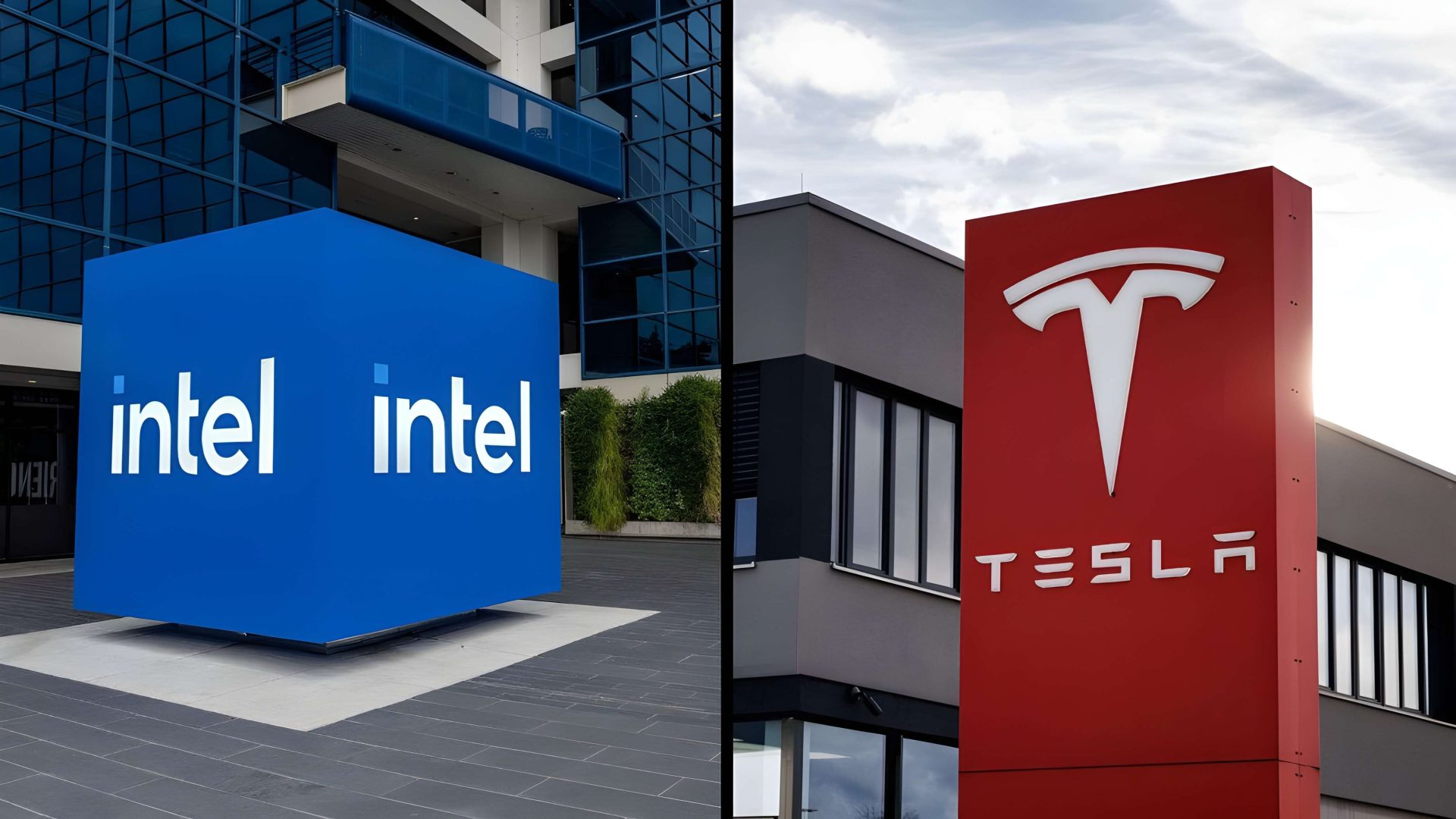
Tesla is reportedly moving production of its AI6.5 chip from TSMC to Intel, driven by U.S. government pressure. The...

The gaming platform's premium subscription now bundles a limited version of Microsoft's game service, but console m...
A new iPhone software version arrives with modest tweaks, but its massive download size signals deeper shifts in ho...
A new open AI platform powered by AMD's MI355X GPUs has been unveiled, promising significant advancements in comput...
Qualcomm and MediaTek are betting heavily on 2nm process nodes, but their new chips may struggle to compete with Ap...
Valve is preparing to launch the Steam Machine with two storage options—512 GB and 2 TB—and hints at a possible PSU...
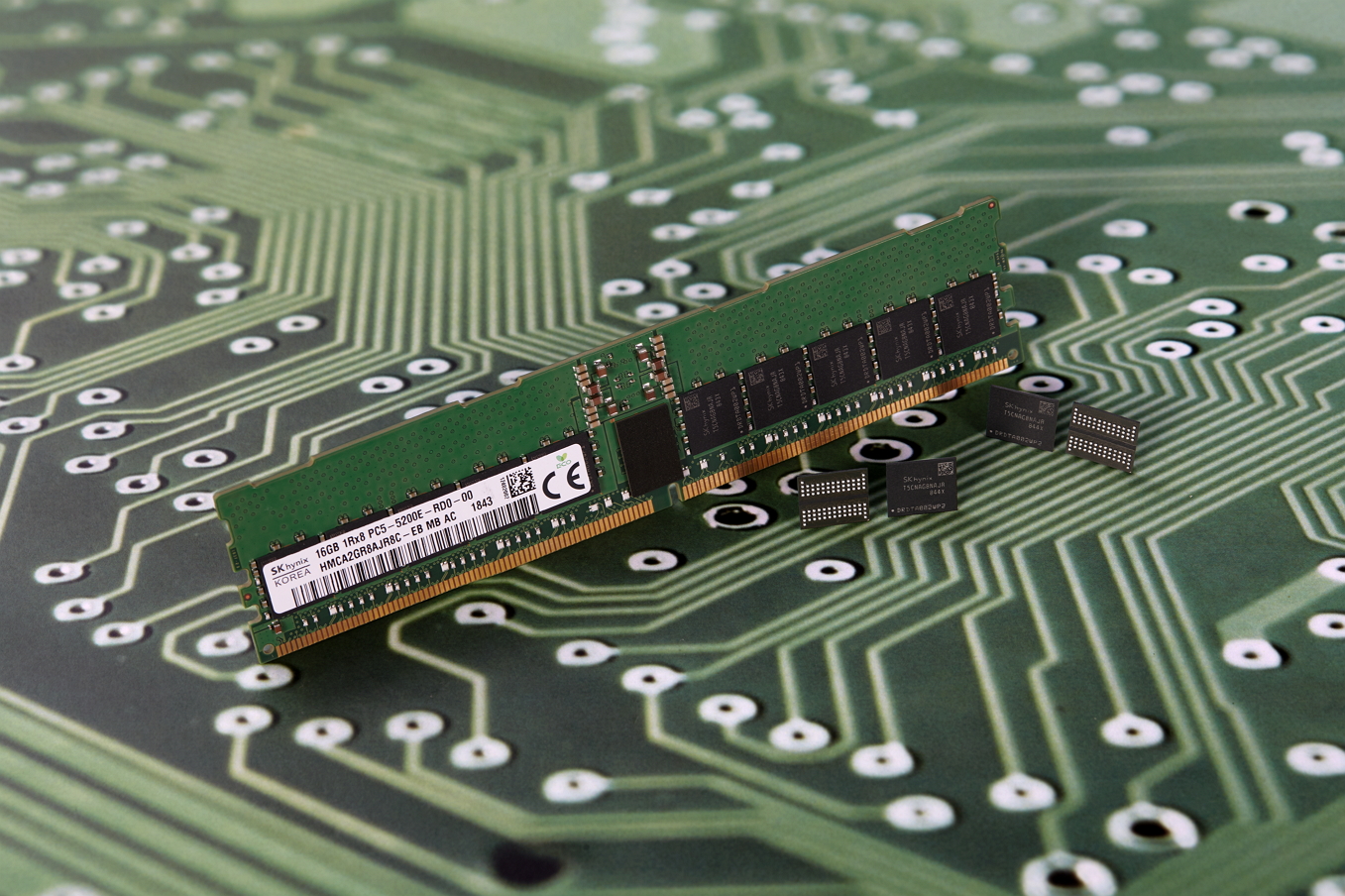
A sharp rise in DRAM and NAND prices is forcing hardware manufacturers to rethink pricing strategies, with SSDs see...
A fresh look at Star Fox 64, its confirmed specs, and how it fits into Nintendo’s long-term vision—without the hype...

The long-awaited sequel to Subnautica introduces a revolutionary approach to underwater exploration, focusing on ad...
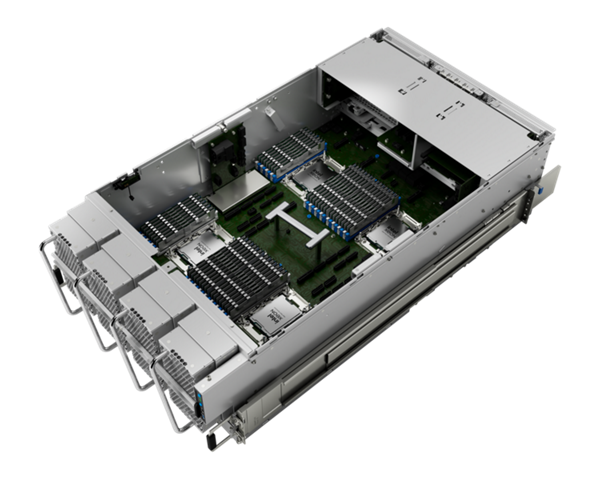
The HPE Compute Scale-up Server 3250 redefines large-scale in-memory workloads with up to 12TB of DDR5 RAM, targeti...