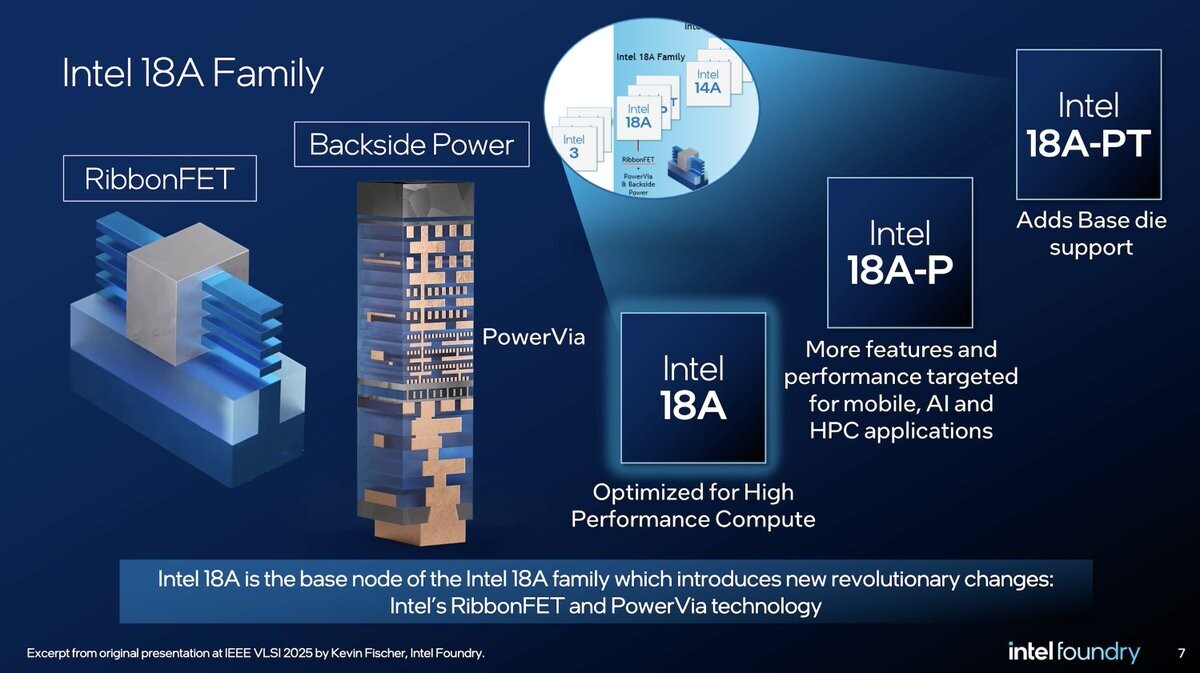
Intel’s 18A-P node delivers unexpected gains, offering 9% more performance or 18% lower power without shrinking transistor density. This shift could reshape how PC builders balance speed and efficiency.








A new robot that folds clothes faster than a human—28 garments per minute—signals a shift in home automation, but q...
Allegations that Gunzilla Games has left dozens of employees unpaid for months threaten to expose systemic failures...

The Lenovo Yoga 7i OLED introduces a 14-inch 90Hz OLED touchscreen with a 360-degree hinge, combining smooth visual...

The 'Send to' menu in Windows 11 has become a cluttered, inconsistent tool. Developers can streamline it in seconds...

A newly discovered vulnerability in TP-Link routers could expose small businesses to state-sponsored cyberattacks,...

The Kamrui Hyper H2 packs an Intel Core i7-1065G7 and 16 GB of RAM into a 9.8-inch square chassis, delivering deskt...
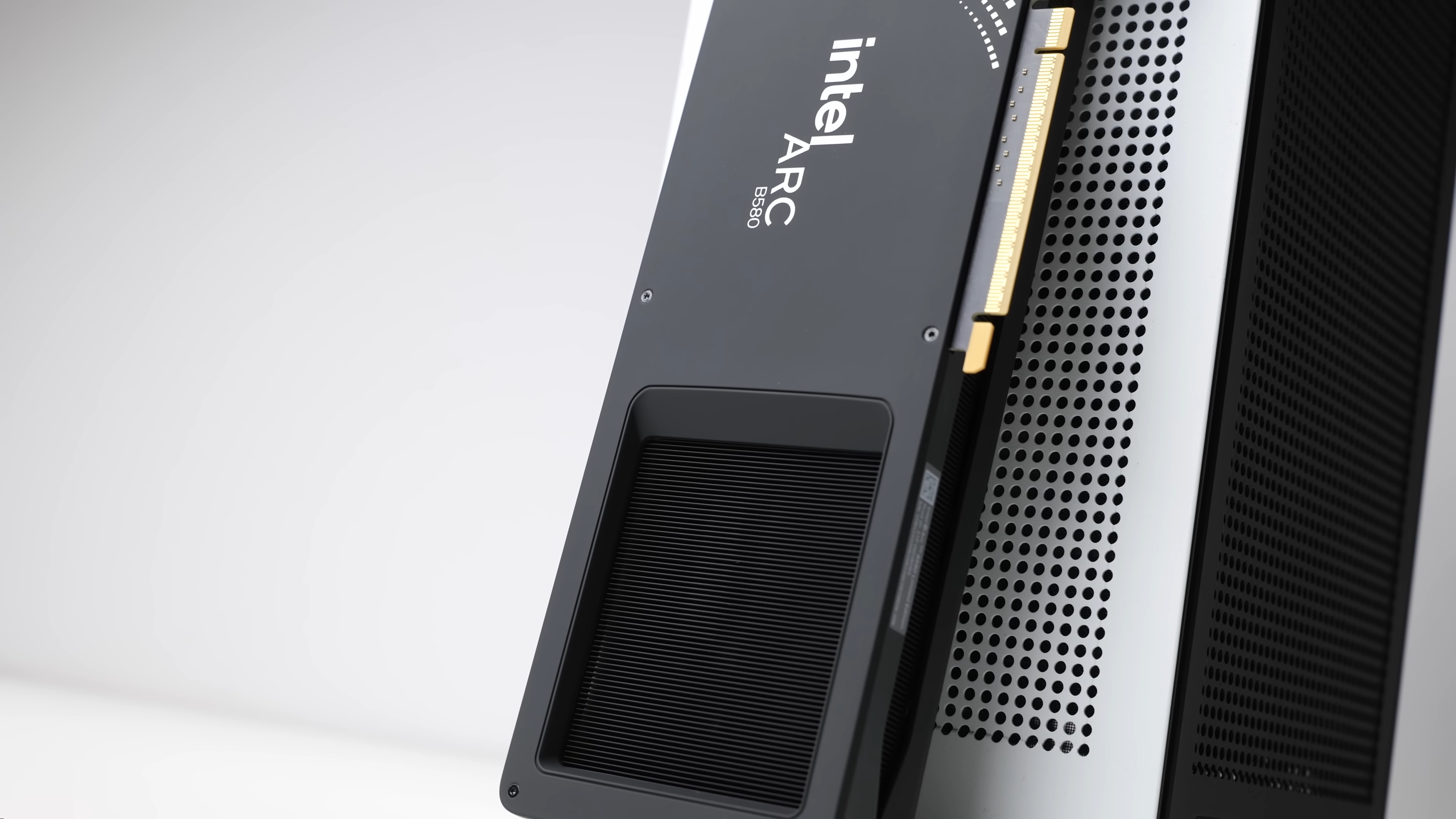
A recent driver update brings basic compatibility to Intel's Arc GPUs in Crimson Desert, though performance and fea...

GeForce NOW introduces a lineup of demanding new titles, including 'Samson' and 'Morbid: The Second Omen,' targetin...
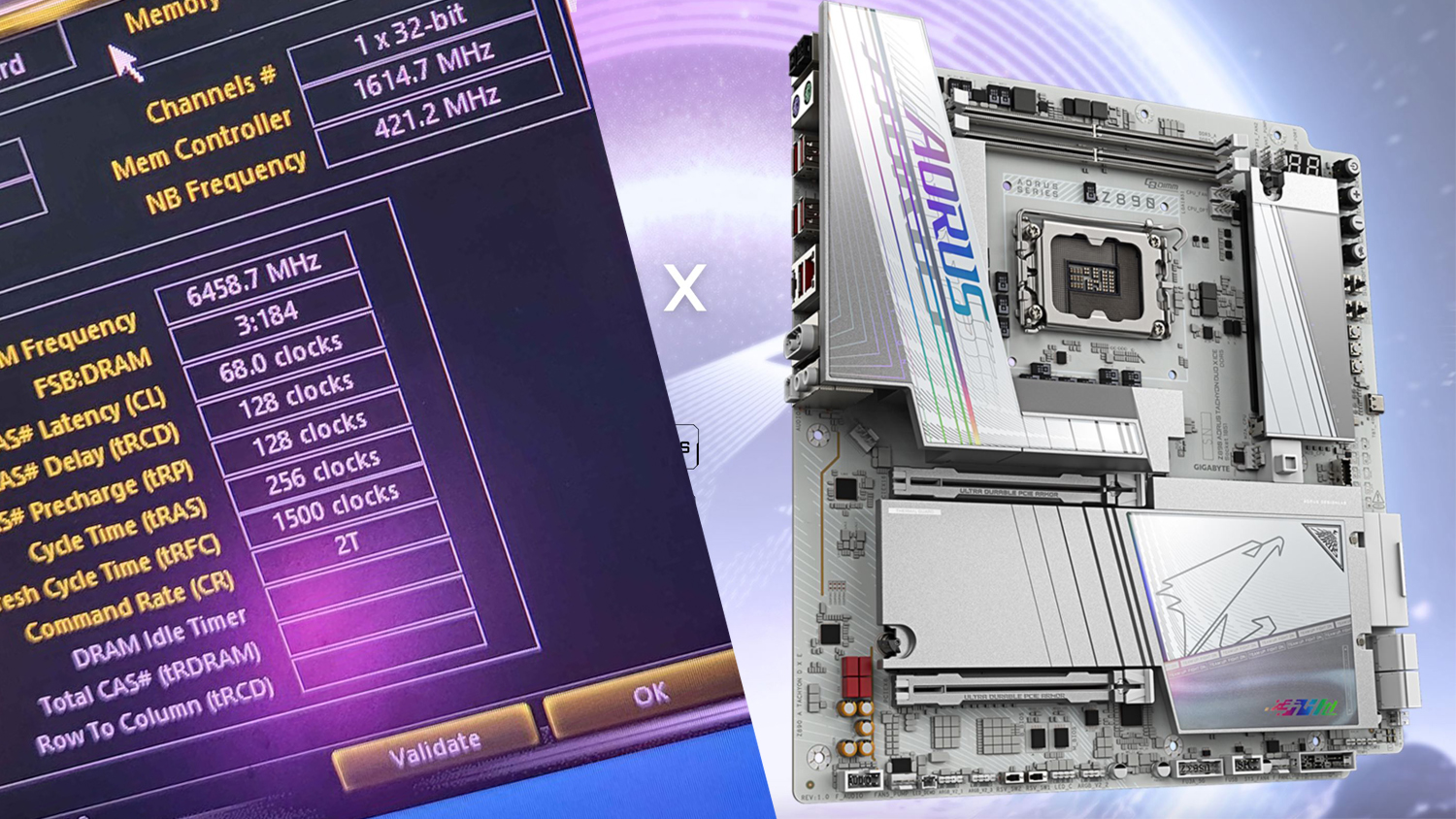
A new overclocking benchmark for DDR5 memory has been set at 12,917 MT/s using a GIGABYTE Z890 AORUS Tachyon DUO X...

The Logitech MX Vertical ergonomic mouse is now available at a significantly reduced price of $75, down from its or...