The 2026 Computex stage has given us our first glimpse of two standout products from Xigmatek: the Lumina Core case and the Aurora Core PSU. Both are designed with a focus on performance, airflow, and modularity—key considerations for enthusiast builds targeting next-gen hardware like the RTX 5080.
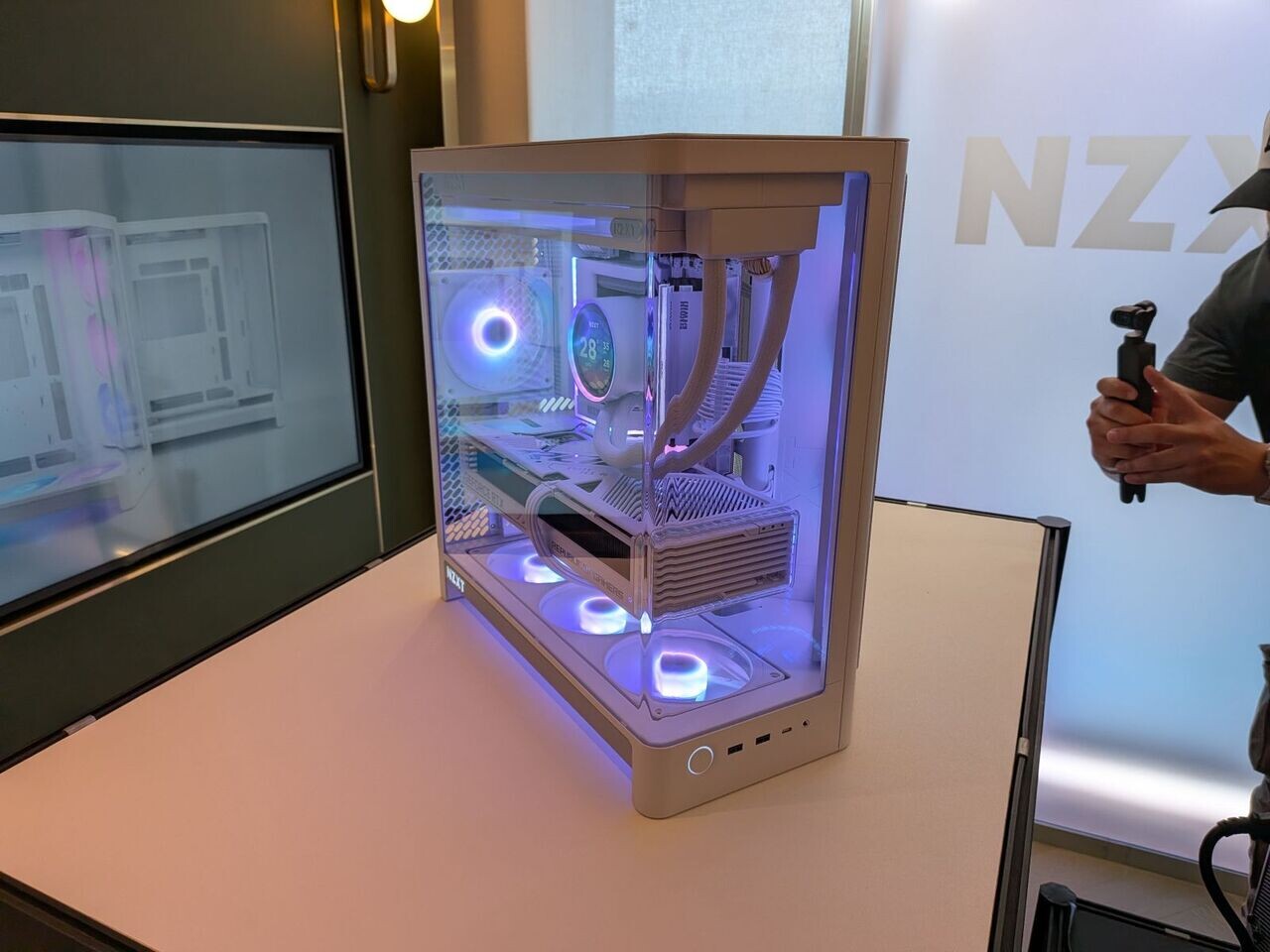
What’s immediately clear is that these products are not just incremental updates but represent a shift in how cases and PSUs are engineered. The Lumina Core, for instance, breaks from traditional full-tower designs with its pillarless front-left glass panel, which Xigmatek describes as ‘seamless.’ This isn’t just about aesthetics; the design allows for taller GPUs like the RTX 5080 while simplifying cable management. The case’s width is also slightly greater than competitors, accommodating thicker radiators and more flexible power routing.
The Aurora Core PSU follows a similar philosophy of functional innovation. Its modular construction separates the fan into its own chamber, equipped with a spiral louver that distributes intake air more evenly across components. Unlike conventional designs, this unit lacks an external grill, making it easier to clean without tools—a practical detail for high-wattage setups like those powering DDR5 systems or N1X-based rigs.
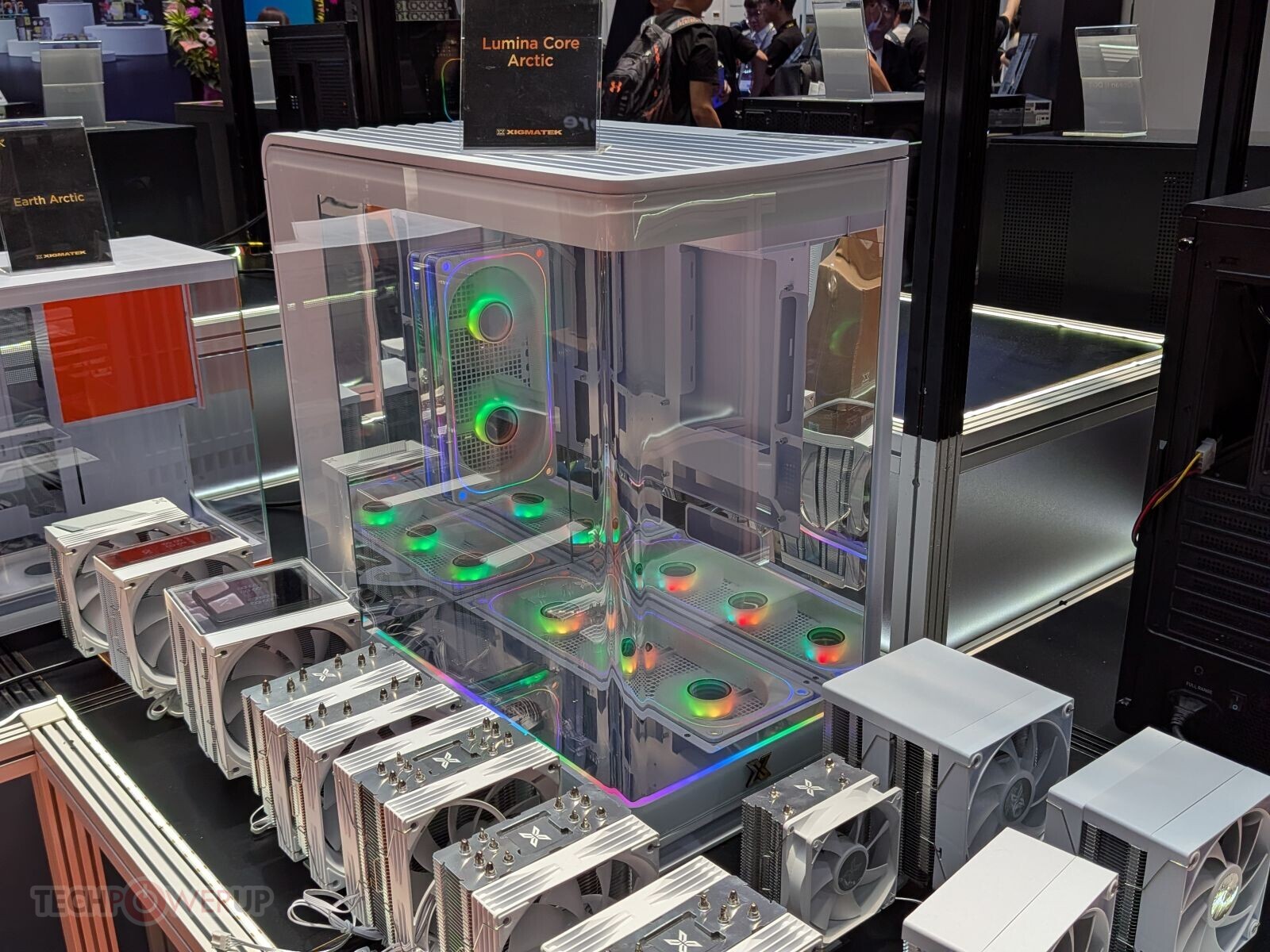
Both products are part of a broader trend in the industry toward more efficient cooling and power delivery. The Lumina Core’s mirror-finish interior, for example, is more than just a visual statement; it reflects light to highlight internal components, which could appeal to users who prioritize both performance and show-case builds. Meanwhile, the Aurora Core’s 1200 W model suggests a focus on high-end workloads, with plans to expand into mid-to-high capacity variants later this year.
For buyers, the implications are clear: Xigmatek is doubling down on features that matter most in today’s PC market—airflow, modularity, and ease of maintenance. The Lumina Core’s design language and the Aurora Core’s engineering choices position both products as strong contenders for builds targeting high-end GPUs or next-gen platforms like N1X. Whether these claims translate into real-world performance gains remains to be seen, but the focus on practical improvements over flashy marketing is a welcome shift.
The question now isn’t just whether these products will perform well, but how they stack up against competitors in a market where every millimeter of space and watt of efficiency counts. For enthusiasts building around the RTX 5080 or DDR5 systems, Xigmatek’s offerings could be worth a closer look—provided they deliver on their promises of better cooling and power management.