A developer building a high-performance workstation no longer needs to rely solely on guesswork or external tools to monitor critical components. Benchlab 2, the latest iteration of the open-source telemetry project, is stepping into this gap—this time with Corsair’s backing and a focus on real-world usability beyond the lab bench.
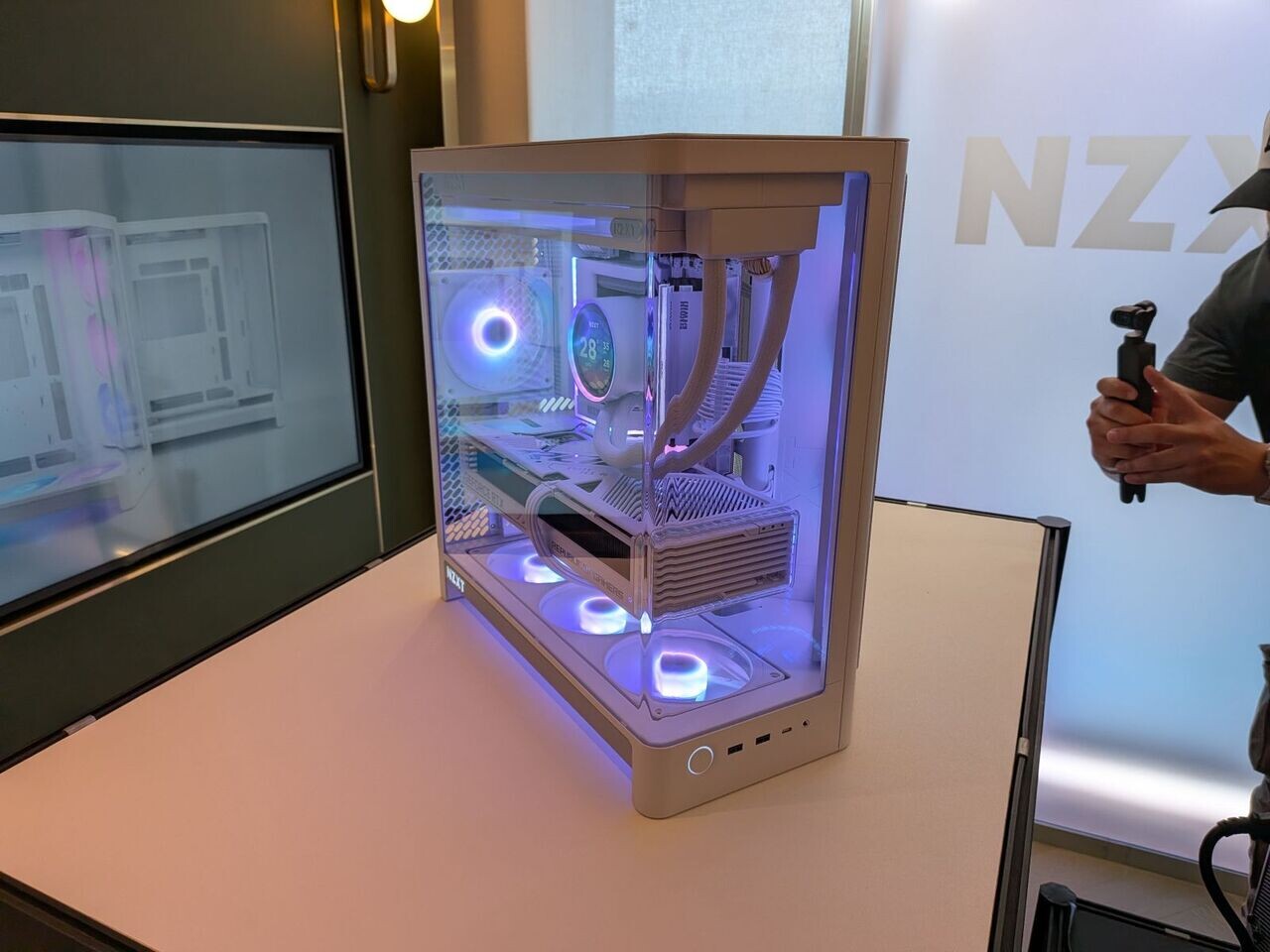
The new platform, revealed at Computex, is the result of a collaboration between Corsair, Open Benchtable Technologies (OBT), and ElmorLabs. Unlike its predecessor, Benchlab 2 moves away from being purely an open-air testbed tool. It now supports commercial PC cases, starting with the Corsair Frame chassis, while retaining its core mission: providing granular, real-time data for system optimization.
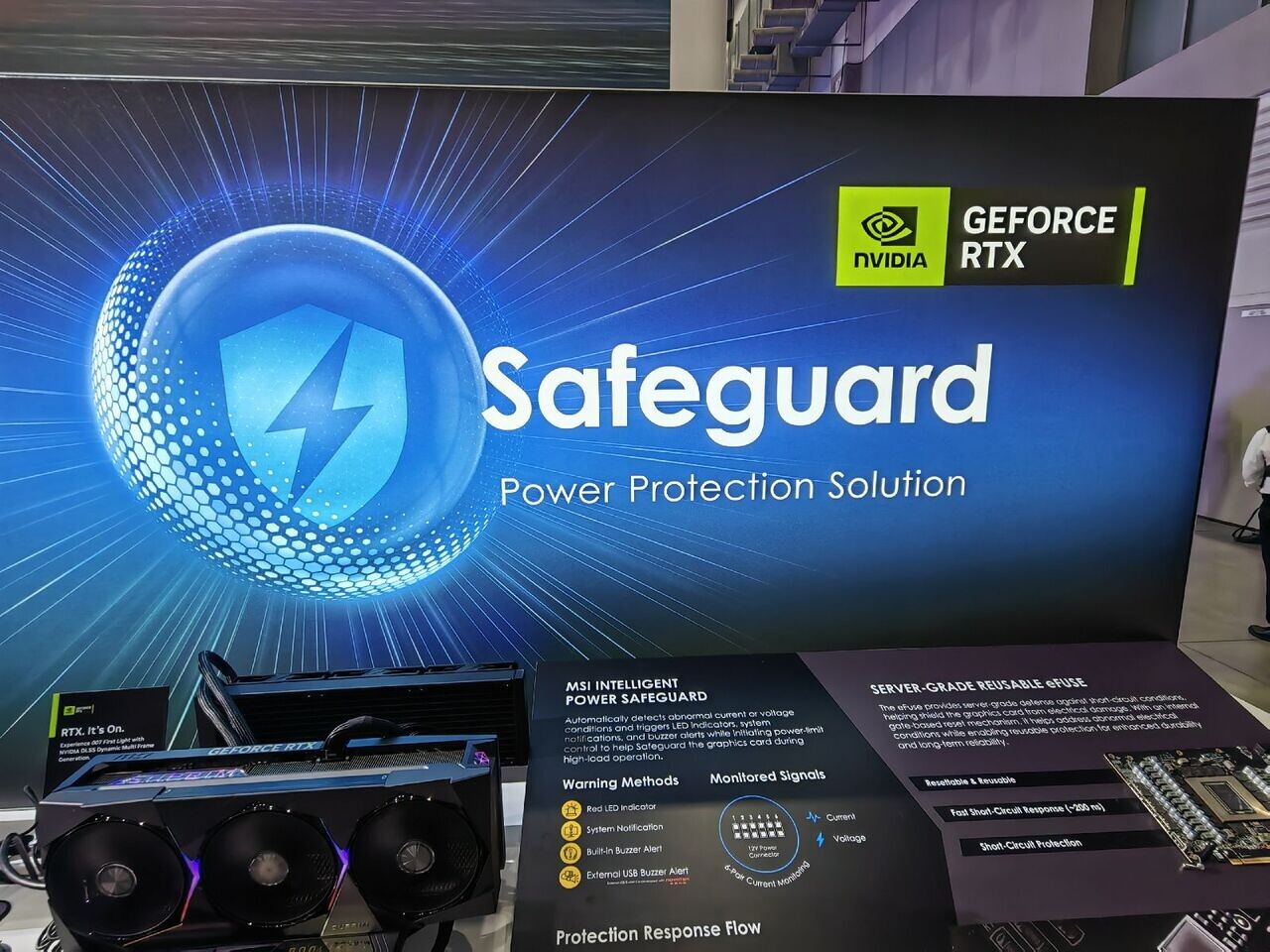
What sets Benchlab 2 apart isn’t just its hardware refinements—a six-layer PCB for stability and a 12VHPWR safety suite—but its integration with existing workflows. Developers using Corsair’s iCUE software will see new widgets tailored for devices like the Xeneon Edge monitor and upcoming Vanguard keyboards, streamlining telemetry into familiar interfaces. For those working with NVIDIA GPUs, the platform adds per-pin monitoring for two 12VHPWR connectors, paired with an audible alert system to flag potential power issues before they escalate.

But who stands to gain most? Enthusiasts and overclockers will find immediate value in the expanded sensor suite and front-panel controls—physical power/reset buttons, a standby switch, and SSD support for dual-drive setups. For everyday users, however, the practical impact may be limited unless they’re already deep into hardware tuning or troubleshooting. The real long-term play here is platform lock-in: Corsair’s ecosystem now has built-in telemetry, making it harder to switch to non-Corsair components without losing integrated monitoring.
What to watch: Pricing and availability details are still under wraps, but the project blog hints at a broader rollout beyond Computex, possibly aligning with Corsair’s Q4 product cycle. If the integration with iCUE expands further, it could reshape how developers approach system diagnostics—though whether that translates to mainstream adoption remains an open question.