AMD’s graphics driver ecosystem is entering a quieter phase as the company shifts focus to newer architectures. The latest Adrenalin 26.6.1 WHQL release, now available, reflects this trend by prioritizing stability fixes for older hardware while adding limited new-game support—without introducing major performance optimizations or RDNA 5 features.
This update marks a subtle but noticeable shift in AMD’s driver strategy. For the first time since RDNA 3 launched, no significant performance improvements have been rolled out in a mainstream release. Instead, the focus is on patching known issues—particularly for RX 9000 series GPUs—which suggests AMD may be moving older platforms into maintenance mode while conserving development resources for upcoming hardware.
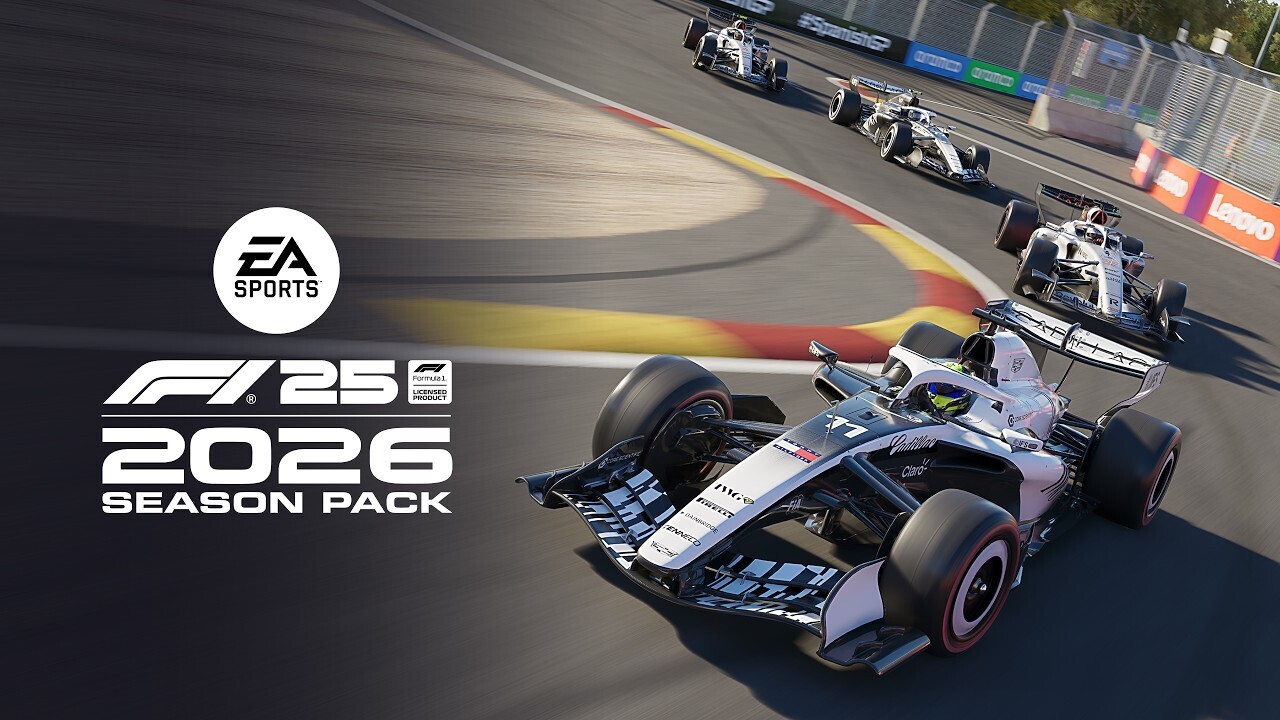
The new drivers bring two notable game optimizations: F1 25’s 2026 Season Pack and World of Tanks: HEAT. More significantly, they resolve several long-standing bugs that have plagued RX 9000 users
- Intermittent crashes in Subnautica 2 and Marvel Rivals on RX 9000 GPUs.
- Artifacts in Enshrouded for RX 6000 series cards.
- Zero RPM mode instability, where the feature would re-enable after monitor sleep or soft-sleep states on RX 9000 GPUs.
These fixes, while functional, do not represent a major leap forward. The absence of performance tweaks—particularly for newer RDNA 3 cards—hints at a deliberate slowdown in driver development outside the latest architectures. This aligns with recent reports suggesting AMD is consolidating efforts around its next-gen UDNA stack, which may feature 96 compute units and a 384-bit memory bus.
For PC builders and content creators, the update offers incremental improvements rather than breakthroughs. The RX 9000 series, in particular, benefits from more stable operation, but users should not expect dramatic efficiency gains or new features like FSR Frame Generation to function smoothly across all titles. Meanwhile, known issues persist for other platforms, including texture corruption in Battlefield 6 when using AMD Record and Stream, and installation failures for AI Bundle components in regions with limited HuggingFace access.
The bigger story here is not the driver itself, but what it signals about AMD’s roadmap. With no major optimizations for RX 5000 or 6000 series cards in recent months, and limited support for newer titles on older hardware, it appears AMD is quietly deprioritizing maintenance for non-RDNA 3 GPUs. This leaves PC builders with a clear choice: invest in newer architectures now, or accept that older systems will receive only essential fixes moving forward.