Xbox’s next chapter begins with a return to its roots—and a defiant push into uncharted territory.
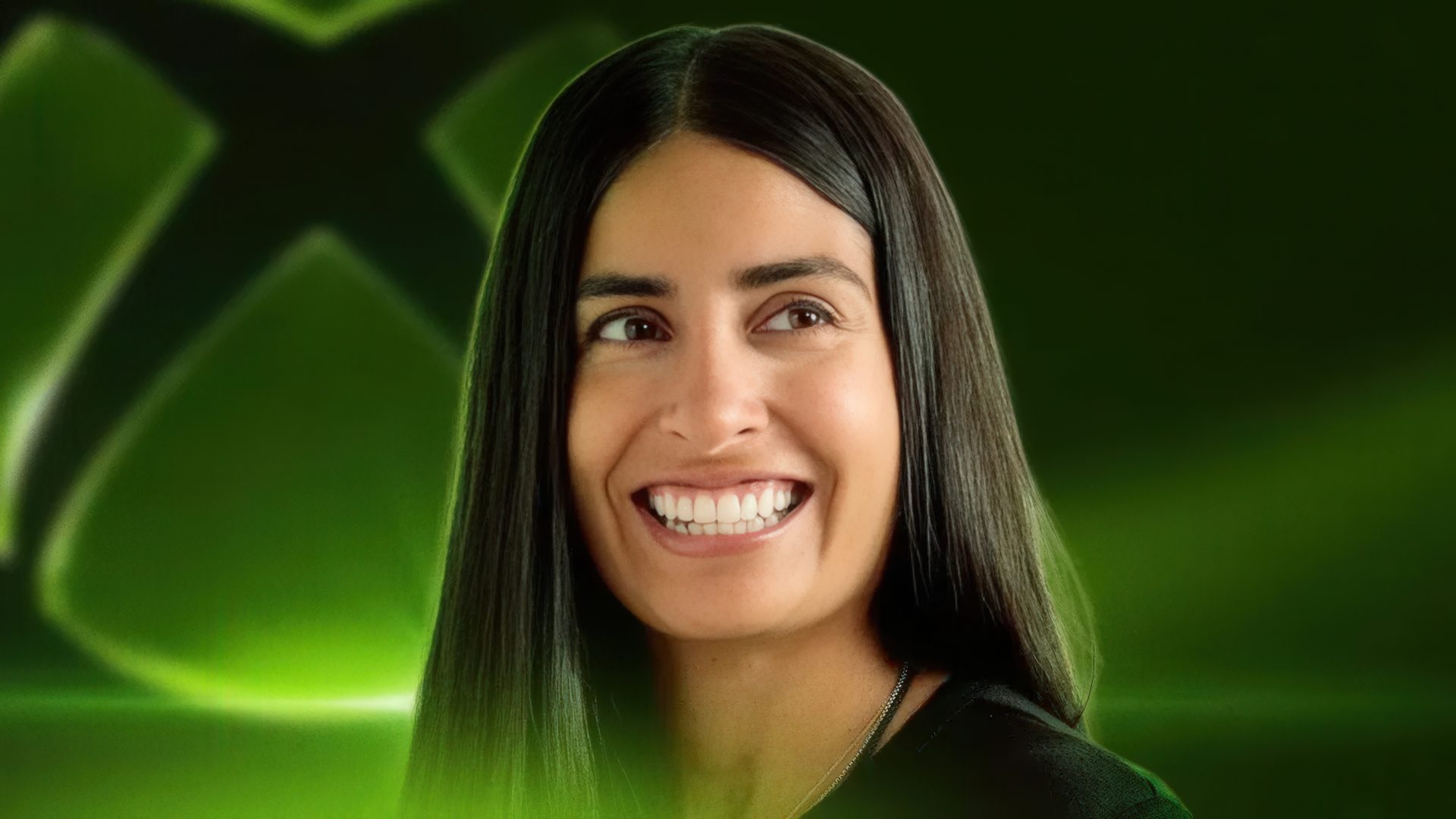
Less than a year into her tenure as Xbox CEO, Asha Sharma has framed her leadership around a single, recurring theme: a rejection of incrementalism. Her vision for the platform, now being shaped alongside Chief Content Officer Matt Booty, hinges on three pillars: a next-gen hardware architecture slated for 2028, a radical simplification of cross-device development, and an unshakable commitment to first-party games as the backbone of Xbox’s identity.
The stakes couldn’t be higher. Sharma’s remarks—delivered in a recent discussion about Xbox’s trajectory—signal a deliberate pivot from the console’s recent struggles, including fragmentation between hardware generations and a perceived drift toward publisher-friendly, rather than developer-first, policies.
A Hardware Reckoning in 2028
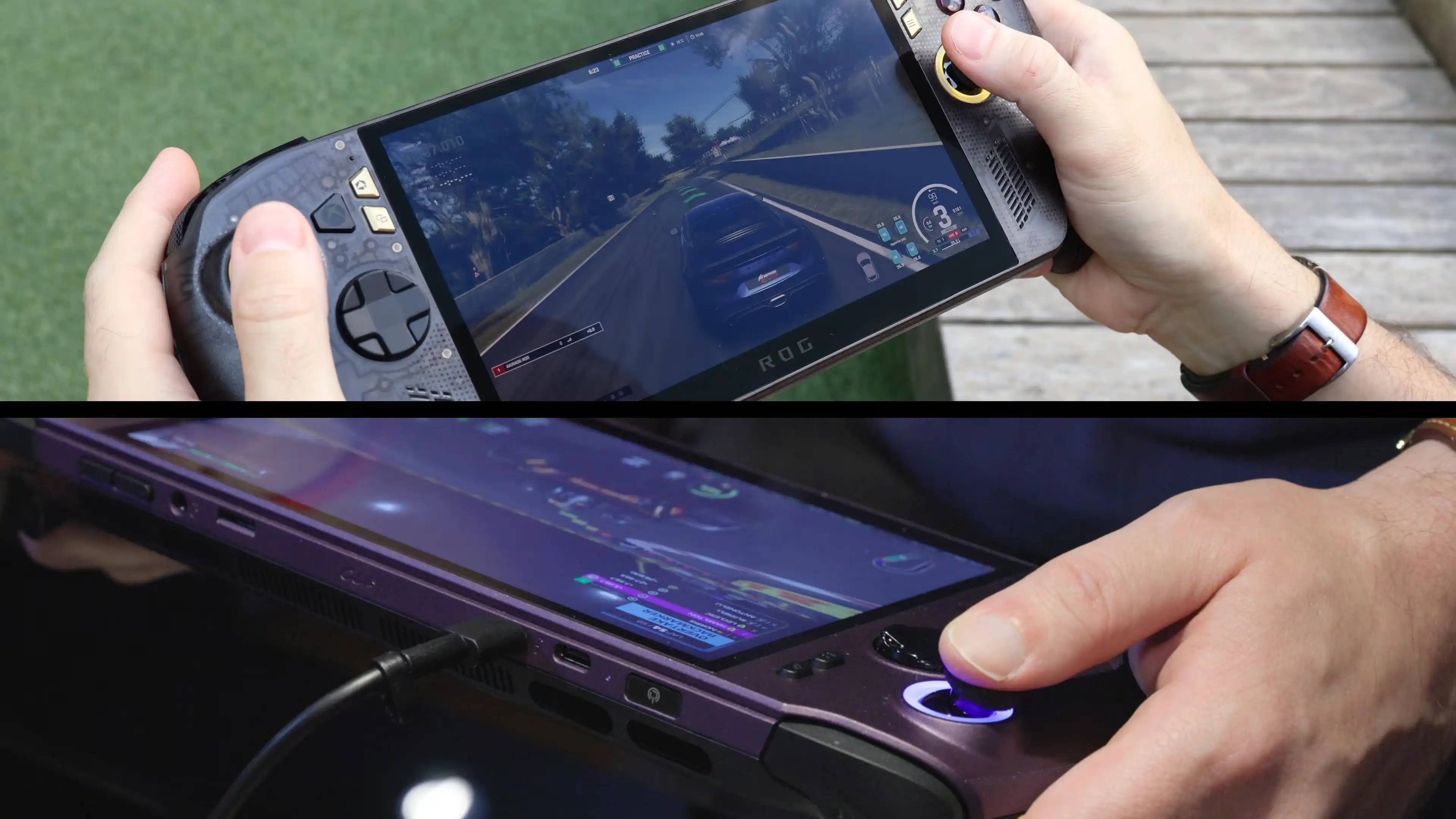
The centerpiece of Sharma’s strategy is a PC-console hybrid system targeting a 2028 launch. While specifics remain under wraps, the framework suggests Xbox is betting on modularity: a design that allows games to run seamlessly across Xbox Series X|S, future consoles, and even Windows PCs without forced exclusivity or technical barriers.
This isn’t just about hardware specs—it’s about dismantling the ‘artificial divide’ between devices, as Sharma put it. The goal is to let developers build once and deploy across Xbox’s entire ecosystem, a stark contrast to the siloed approach that has plagued cross-platform gaming for years. Early signs of this philosophy are already visible in projects like Gears of War, which now runs on both Xbox Ally and next-gen consoles with minimal adjustments.
Booty reinforced this focus, emphasizing that Xbox’s studio system is architected around first-party development—not just publishing. We’re not built to be a middleman, he clarified. This is embedded in our DNA: early hardware collaboration, deep integration, and a refusal to back away from the risks of building something no one else will touch.

AI as a Tool, Not a Replacement
Sharma’s stance on artificial intelligence reflects a cautious but pragmatic approach. While she acknowledges AI’s potential as a development tool—for prototyping, optimization, or even narrative generation—she drew a firm line at ‘careless output’ or derivative work. The message is clear: Xbox won’t flood its library with AI-generated slop or half-finished projects. Instead, AI will serve as a force multiplier for Microsoft’s existing studios, freeing teams to focus on creative risks rather than repetitive tasks.
This aligns with a broader philosophy Sharma described as ‘lifetime value’ thinking. Rather than chasing short-term metrics or efficiency gains, her strategy prioritizes long-term player investment—a nod to Xbox’s most loyal fans, some of whom have spent 25 years within its universes. I’m committed to the console, she stated. But I’m also committed to meeting players where they are—whether that’s on a Series X, a PC, or a device we haven’t imagined yet.
What’s Next for Xbox?
- A 2028 PC-console hybrid designed to eliminate development friction across devices.
- Deeper studio-hardware collaboration, with first-party games like Gears of War serving as proof of concept.
- AI as an enabler, not a replacement, with strict guardrails against low-effort content.
- A data-driven shift toward lifetime player value, moving beyond quarterly performance metrics.
The challenge for Sharma and Booty is translating this vision into tangible results. Xbox’s recent missteps—particularly around fragmented hardware support and perceived neglect of its core audience—have left skeptics questioning whether this ‘return to Xbox’ can undo years of strategic drift. But one thing is certain: under their leadership, the platform’s future will be defined by bold bets, not safe compromises.