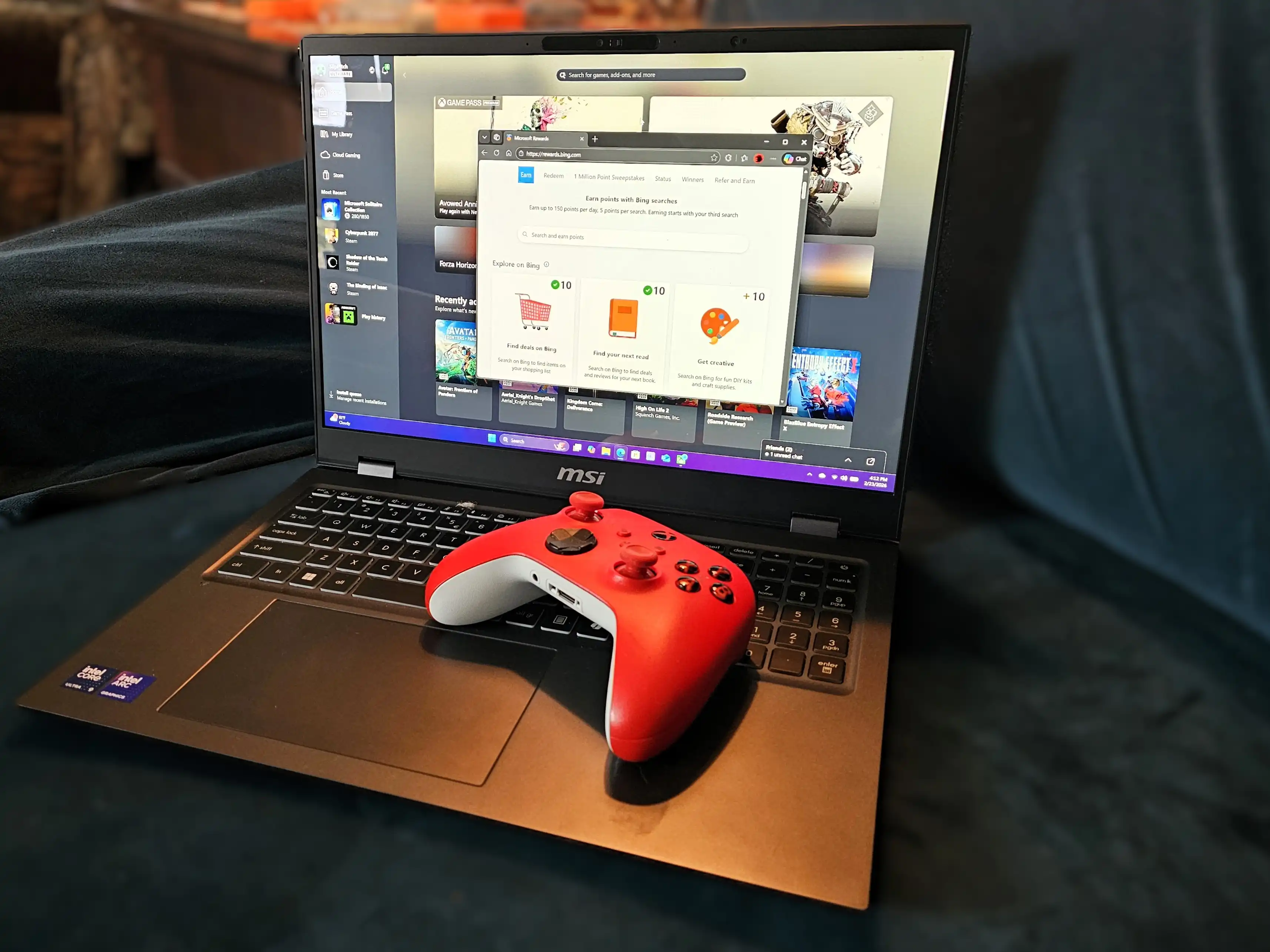
Microsoft has cut the price of its Game Pass subscription by 40%, reducing it from $16.99 to $9.99 per month for both individual and corporate plans. While the content catalog remains unchanged, the move is part of a broader effort to integrate Xbox more deeply into enterprise environments, particularly through tighter connections with Azure cloud services.
For IT administrators, this price adjustment introduces new considerations beyond cost savings. The reduction itself is straightforward, but the underlying strategy suggests that Game Pass could become an entry point for enterprises to adopt additional Microsoft cloud tools and services. Admins must now evaluate whether consolidating gaming, storage, and productivity solutions under one platform—even if it leans toward entertainment—will streamline operations or create unnecessary complexity.
Enterprise implications
- Azure integration: Deeper ties to Azure could simplify some workflows but may also increase dependency on Microsoft’s proprietary configurations, complicating future migrations.
- Content strategy: Enterprises should assess whether Game Pass will evolve beyond gaming to include more professional-grade content that justifies its expanded scope.
- Long-term commitment: If Microsoft treats Game Pass as a loss leader—similar to Azure or Office 365—enterprises must decide if they are prepared for a platform that prioritizes long-term growth over immediate returns.
A potential scenario shows both the upside and risk: an IT team managing separate subscriptions for gaming, cloud storage, and collaboration tools could benefit from unification under Game Pass. However, realizing those benefits would require Microsoft to deliver seamless integration without compromising performance or flexibility—a challenge that has yet to be fully addressed.
Looking ahead
The immediate impact is clear: the price cut lowers financial barriers for adoption. But the long-term vision is more significant. If Microsoft successfully blends gaming with enterprise-grade cloud tools—particularly those focused on productivity—the Game Pass could become a cornerstone of its broader platform strategy, positioning Xbox as more than just a gaming competitor but as an integral part of its cloud infrastructure.
On the other hand, if the integration proves cumbersome or fails to deliver measurable value, enterprises may find themselves locked into a system that doesn’t yet justify its expanded role. The success of this pivot hinges on Microsoft’s ability to balance its vision with the practical demands of IT administrators—without sacrificing performance, security, or flexibility.
The price drop is a bold move, but it is the strategy behind it that will determine whether Game Pass evolves into more than just a discounted gaming subscription—or becomes a critical piece of Microsoft’s enterprise cloud ecosystem.