The Galaxy S26 arrives with subtle but meaningful upgrades over last year’s model, blending familiar design cues with tangible performance improvements. Samsung’s latest base flagship retains the core structure of its predecessor—same dimensions, similar weight—but trades incremental tweaks for a more polished experience.
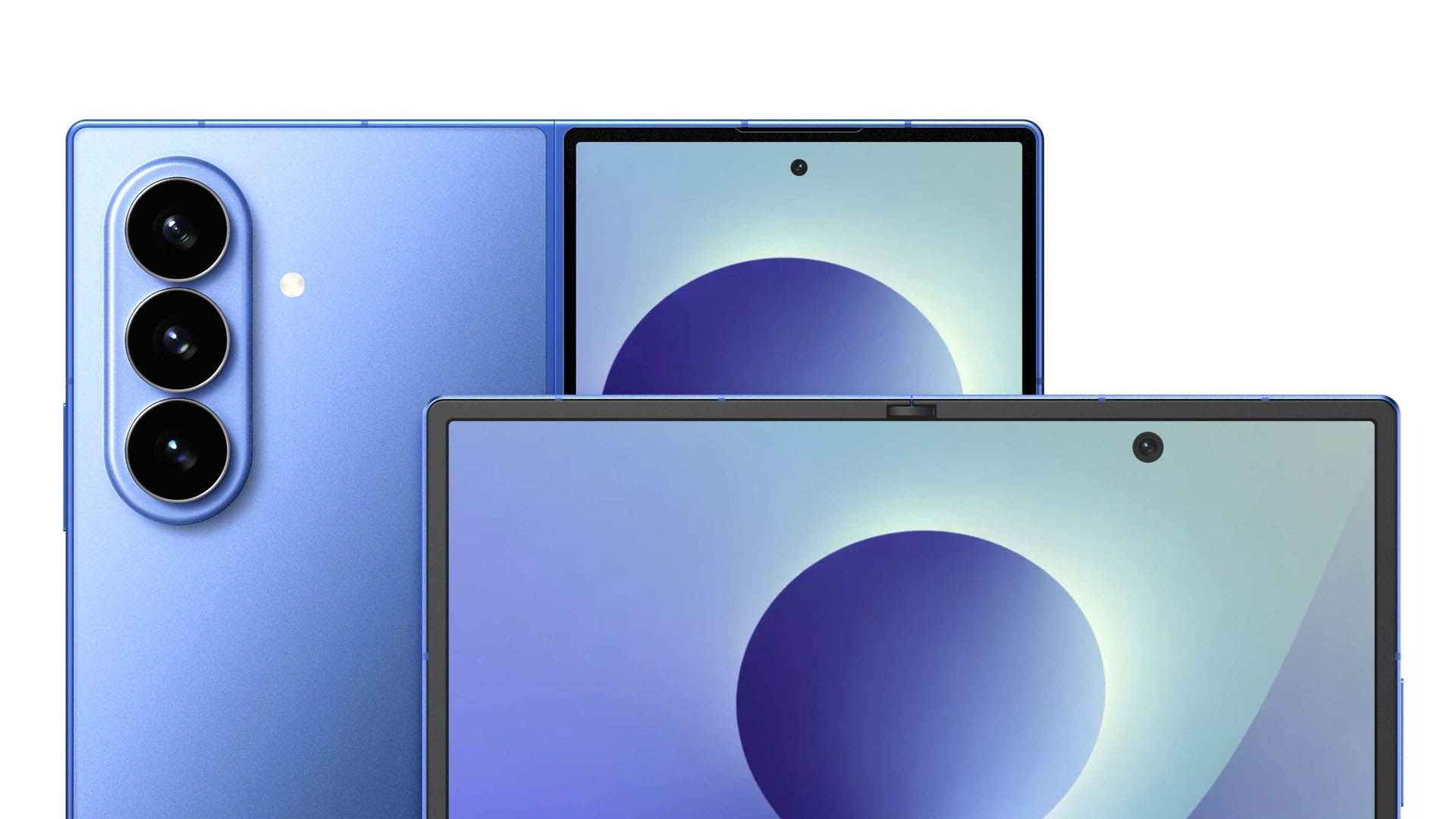
At its heart, the S26 is a study in refinement. A slightly larger 6.3-inch Dynamic AMOLED 2X display (up from 6.2 inches) now peaks at 2,600 nits of brightness, making it one of the most vibrant screens in the market. The frame has grown marginally—3mm taller and 1mm wider—to accommodate a new camera island, a design feature previously reserved for the Ultra variant. This change isn’t just aesthetic; it also signals Samsung’s shift toward a more cohesive visual language across its lineup.
The chipset and memory: A balance of power and efficiency
Under the hood, the Galaxy S26 offers two chipset options depending on the region: Samsung’s in-house Exynos 2600 (fabbed on a 2nm GAA process) or Qualcomm’s Snapdragon 8 Elite Gen 5. The Exynos 2600 stands out with its 10-core architecture, featuring a 3.80GHz C1-Ultra core, three 3.25GHz C1-Pro cores, and six 2.75GHz C1-Pro cores, paired with an Xclipse 960 GPU—Samsung’s first GPU with ray-tracing support. The chip also includes a 32K NPU for AI tasks, delivering a 113% performance boost over its predecessor.
Memory configuration starts at 12GB LPDDR5X RAM with 256GB of storage, a modest but practical starting point for most users. Connectivity remains robust, with Wi-Fi 7, Bluetooth 5.4, UWB, and 5G, along with support for satellite-based connectivity—a feature that could prove useful in emergencies.
A battery that keeps up with the demands of modern usage
The S26’s 4,300mAh battery is larger than the S25’s 3,900mAh unit, addressing one of the most common complaints about last year’s model. Charging speeds are also improved, with 25W wireless charging and 45W wired charging, ensuring quicker top-ups without compromising convenience.
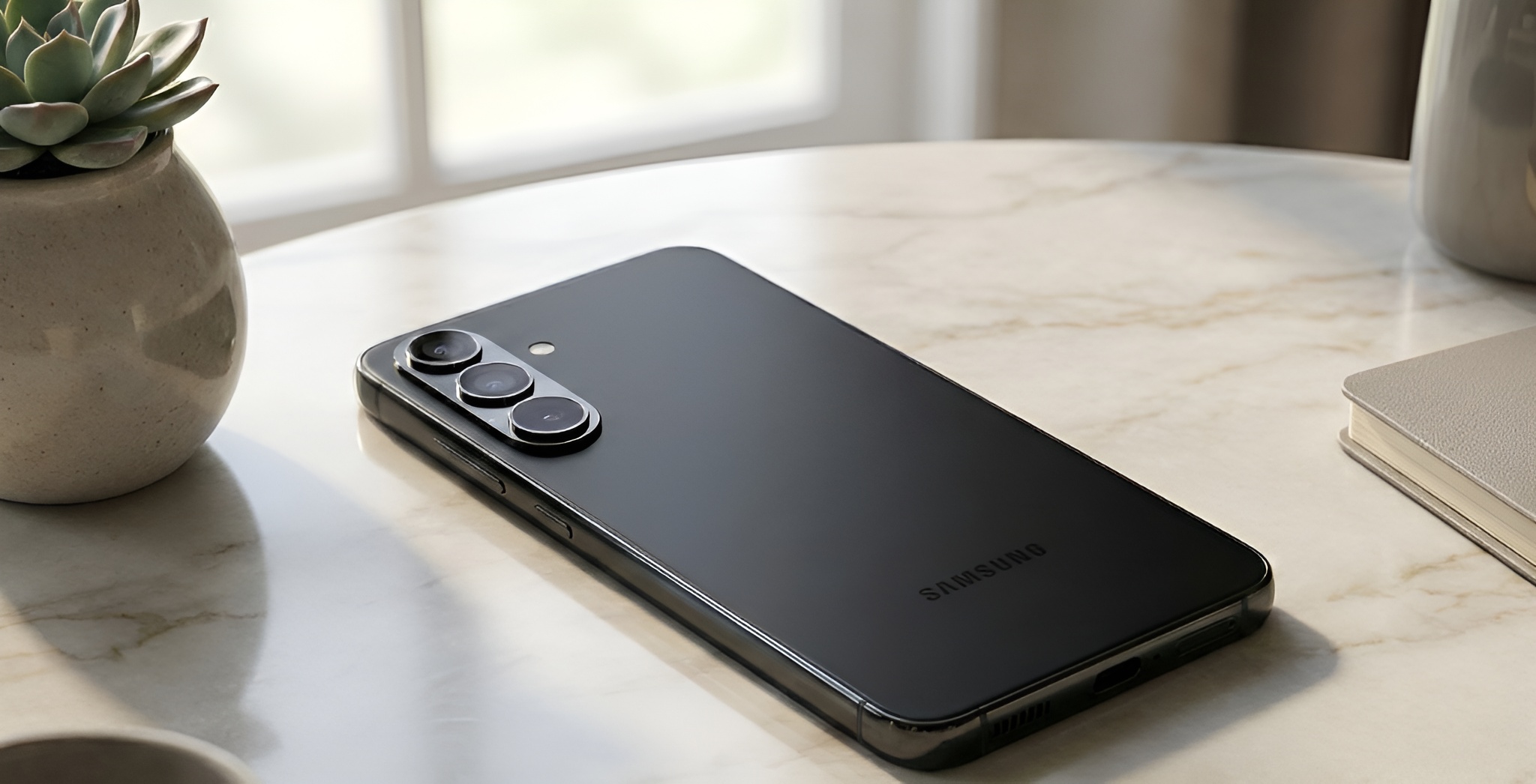
Camera system: A refined triple-lens setup
On the rear, the S26 features a 50MP main sensor, a 10MP telephoto lens, and a 12MP ultra-wide camera, delivering versatile photography capabilities. The front-facing selfie camera is a 12MP wide-angle sensor, capable of recording 4K video at 30 and 60fps. Samsung has also introduced an Expert RAW app, allowing users to tweak settings like ISO, shutter speed, and white balance for more control over their shots.
Software and AI: OneUI 8.5 and a multi-agent ecosystem
The Galaxy S26 runs OneUI 8.5, built on Android 16, with a revamped Bixby now backed by Perplexity AI for natural language processing. Users can also access Google’s Gemini and OpenAI’s ChatGPT directly from the interface, creating a multi-agent AI ecosystem. Additional software enhancements include vibrant icons and a 3D depth effect for a more immersive UI.
Key specs at a glance
- Display: 6.3-inch Dynamic AMOLED 2X, 120Hz, 2,600 nits peak brightness
- Chipset: Exynos 2600 (2nm, 10-core) or Snapdragon 8 Elite Gen 5
- RAM/Storage: 12GB LPDDR5X / 256GB (base)
- Battery: 4,300mAh, 25W wireless charging, 45W wired charging
- Cameras: 50MP (main) + 10MP (telephoto) + 12MP (ultra-wide); 12MP front
- Connectivity: Wi-Fi 7, Bluetooth 5.4, UWB, 5G, satellite connectivity
- Software: OneUI 8.5 (Android 16), Expert RAW app, Bixby with Perplexity AI
- Price: $899 (256GB)
The Galaxy S26 is a well-rounded flagship that balances performance, display quality, and camera innovation without straying too far from its predecessor’s design. While the $899 starting price remains competitive, the absence of the Privacy Display—a feature exclusive to the Ultra variant—may disappoint users seeking advanced privacy controls. For most, however, the S26 delivers a refined, capable device that justifies its position as Samsung’s mid-tier offering.
Pre-orders are now live, with in-store deliveries beginning March 7. The 512GB variant’s price has yet to be announced.