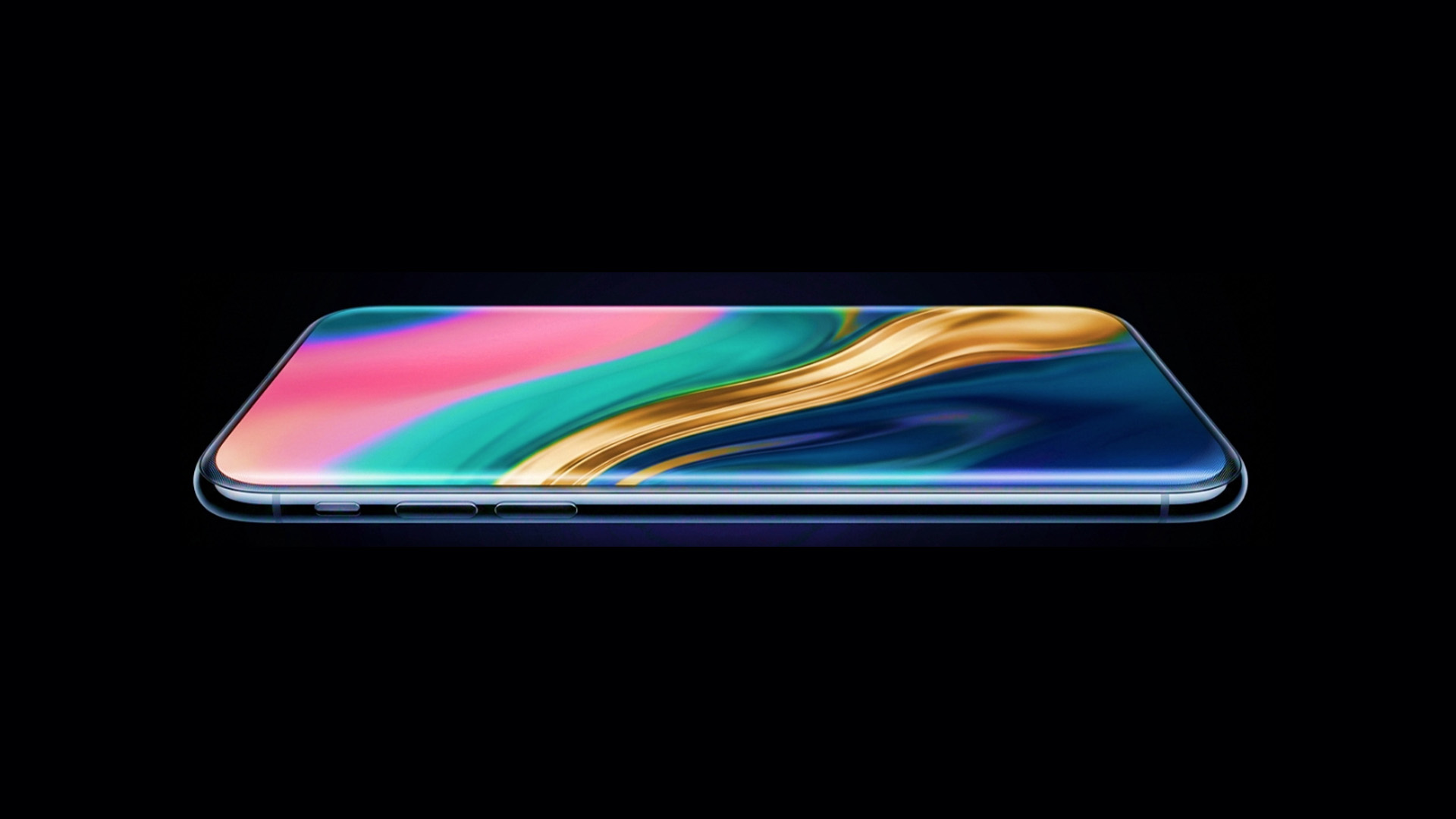
The era where a laptop’s login process required a password is fading fast. A new wave of Windows-powered machines is embedding biometric authentication so seamlessly that it feels like an invisible layer—one that activates before you even reach for the trackpad or keyboard.
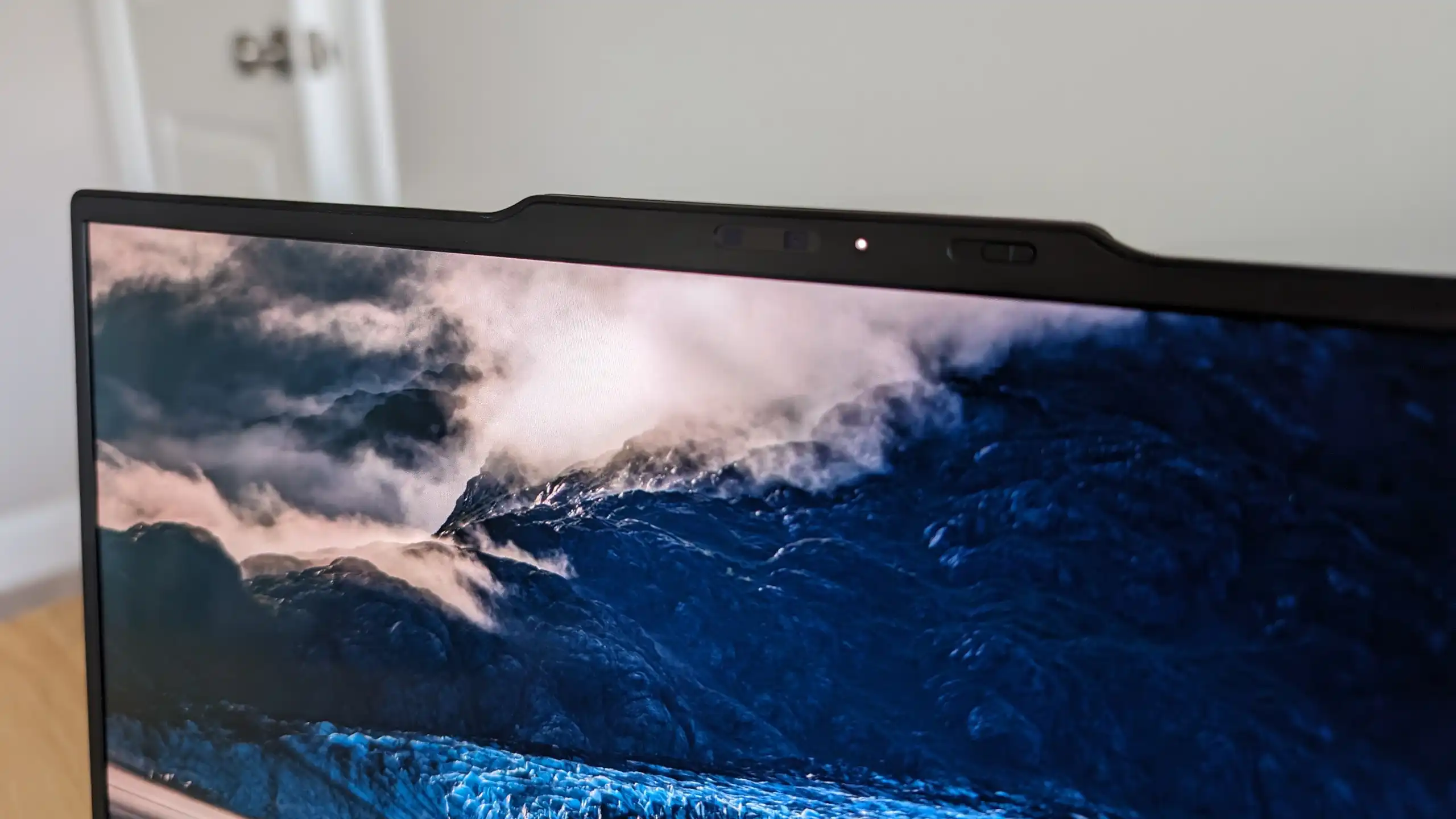
At the heart of this change lies Windows Hello, now paired with advanced infrared sensing and under-display cameras that map facial features in real time. The result is a system that can recognize a user from across a room, adjust brightness and color balance on-screen based on ambient light, and even wake the device without a physical button press. This isn’t just about convenience; it’s about redefining how users interact with their machines, reducing friction at every step of the workflow.
Previous generations relied on fingerprint readers or PIN codes, often requiring an extra tap or swipe to engage. But today’s hardware has evolved beyond those limitations. The new setup uses a 3D depth-sensing module that captures more than just surface-level facial data—it reads micro-expressions and spatial cues, improving accuracy even when the user is wearing glasses or a face mask. This level of precision means false positives are rare, and the system remains reliable in low-light conditions.
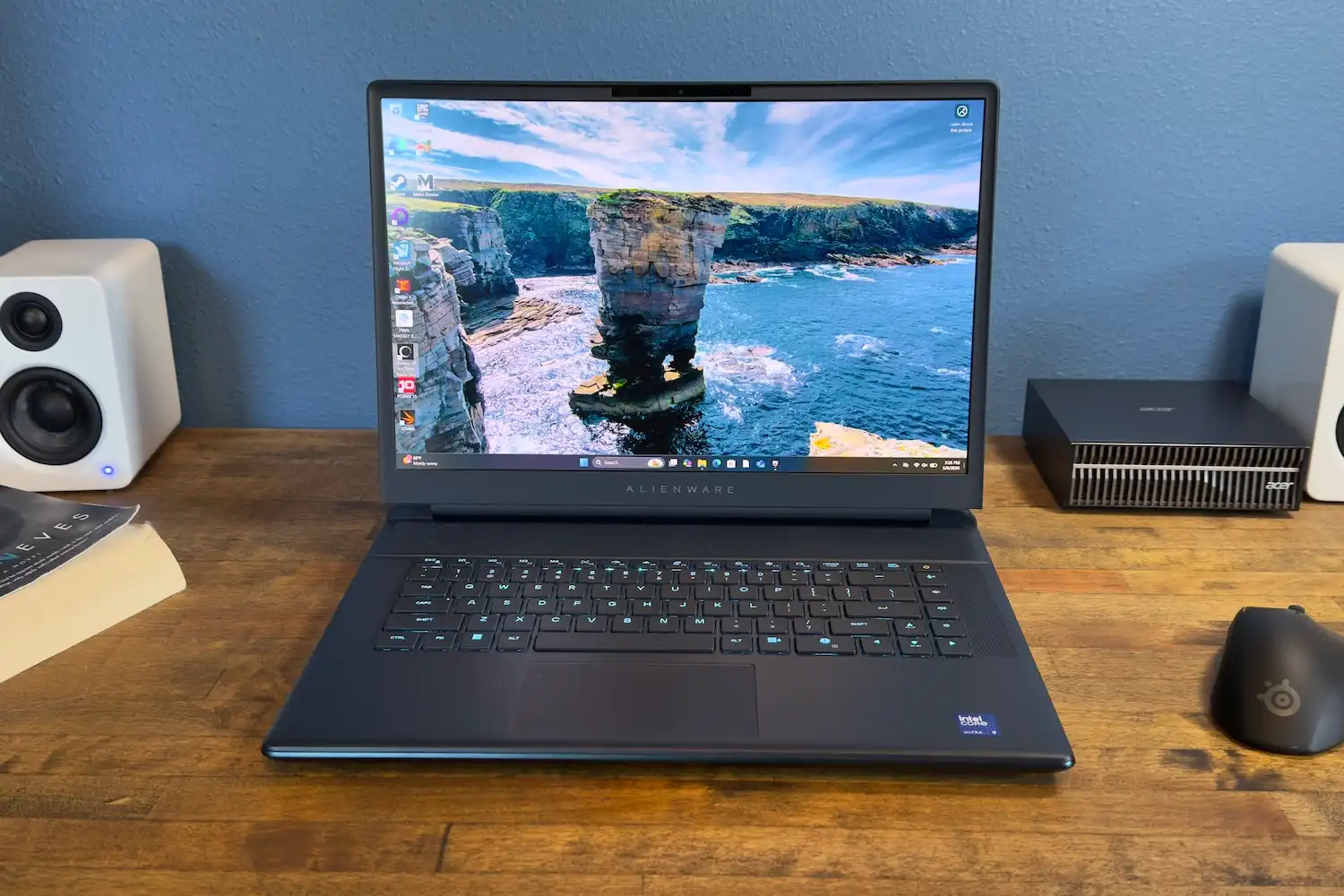
For gamers and power users, the implications extend beyond login. The same infrared tech that powers secure authentication can also dynamically adjust cooling profiles based on workload, preventing thermal throttling during intense sessions. Combined with AI-driven power management, these laptops can sustain performance longer without draining battery life—a critical factor in high-end mobile workstations.
While the shift to biometric-first security is undeniable, some questions remain. How will this integration scale across different price tiers? Will future updates add more granular control for privacy-conscious users? And how long before other operating systems catch up with this level of hardware-software synergy? The answers may not come overnight, but one thing is clear: the days of typing a password to start your workday are numbered.