PlayStation Studios is entering a new phase where artificial intelligence isn't just an optional feature—it's becoming the backbone of how games are built. Sony's approach differs from competitors by treating AI as a creative partner rather than a replacement, aiming to enhance rather than overshadow human talent. This shift comes at a pivotal moment for the industry, where studios must weigh the speed and scale AI offers against the risks of losing creative independence.
tools will target repetitive workflows—asset generation, quality assurance, and dynamic content creation—while maintaining PlayStation's signature narrative depth. The technology will integrate with Sony's existing infrastructure, including its proprietary hardware and software, to streamline development without compromising on technical excellence. However, this tight integration raises questions about whether developers will gain true flexibility or become locked into a closed ecosystem.
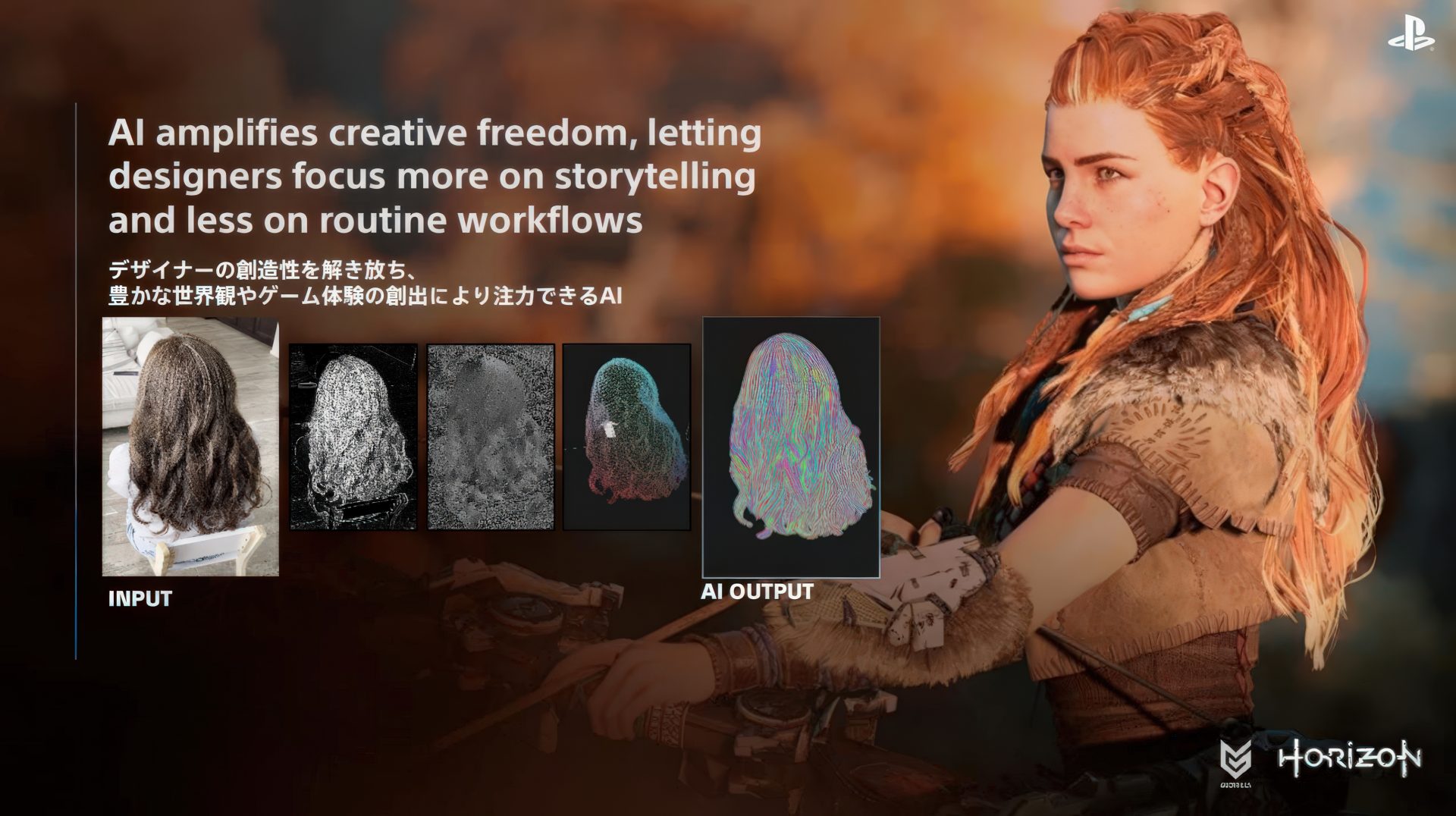
The potential benefits are substantial: AI could enable procedural world-building, adaptive storytelling, and real-time adjustments that would be impractical with traditional methods alone. Yet, the trade-off is clear—studios adopting these tools may find themselves increasingly tied to PlayStation's vision, potentially limiting their ability to innovate outside Sony's framework. This dynamic mirrors broader industry trends where platform dominance often comes at the cost of creative freedom.
Sony has positioned its AI strategy as collaborative, emphasizing partnerships while maintaining editorial oversight. Early adopters could gain a competitive edge, but those who resist may struggle to keep up with studios that embrace these efficiencies. The challenge for developers will be determining how much control they're willing to surrender in exchange for faster production cycles and access to cutting-edge tools.
The outcome of this experiment will define PlayStation's future as both a technological leader and a creative powerhouse. If successful, AI could redefine what's possible in game development—blending speed with artistry in ways that challenge the status quo. But if the balance tips too far toward efficiency over autonomy, it may force studios to reconsider whether platform loyalty is worth the cost of losing their creative voice.