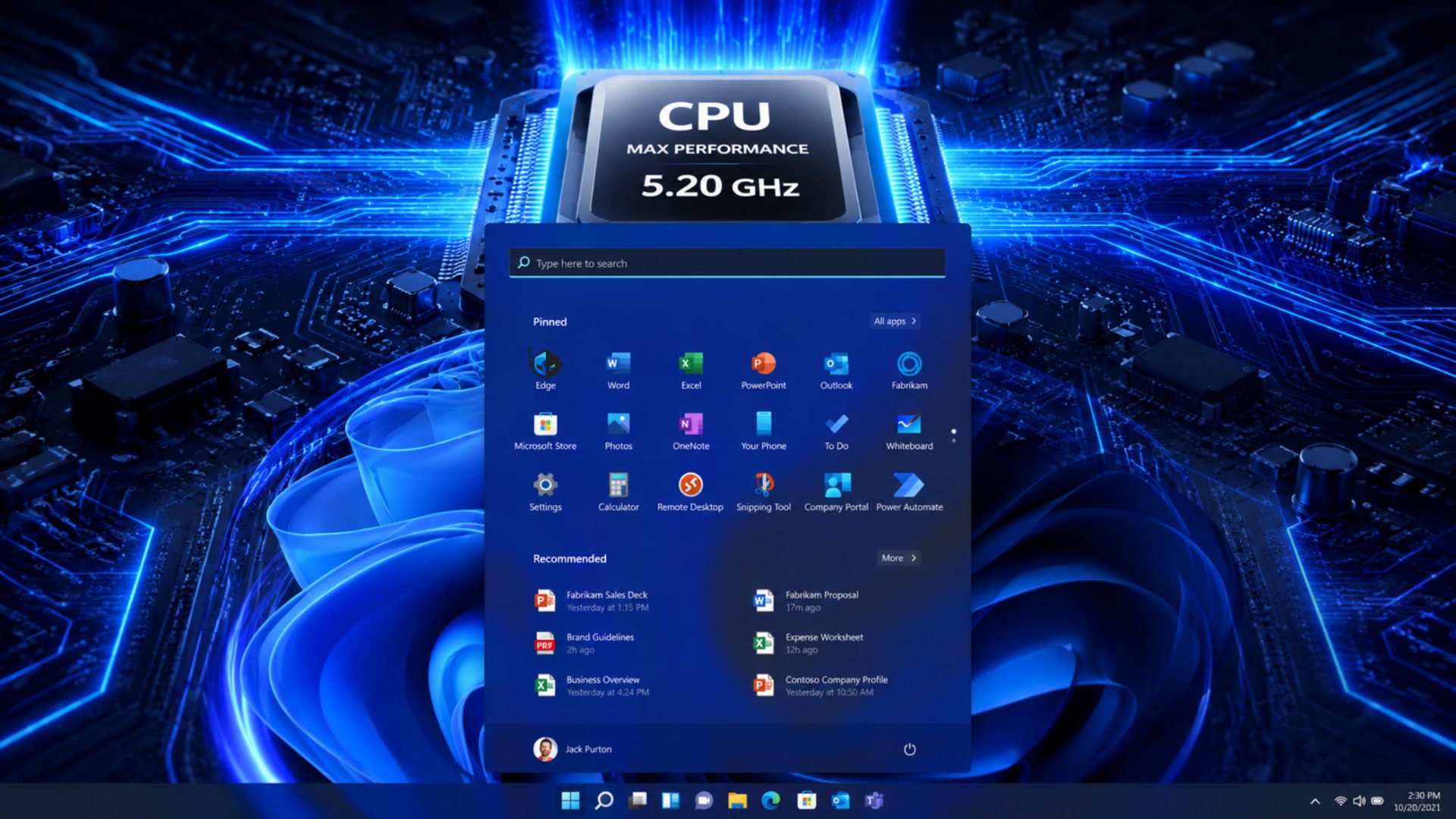
Microsoft has introduced a change in how Windows 11 manages CPU frequency, pushing processors toward sustained maximum performance rather than dynamic scaling. The adjustment is designed to improve the responsiveness of applications and system tasks, though it comes with increased power draw that could complicate thermal management in enterprise environments.
The update employs an updated algorithm that maintains higher clock speeds for longer periods compared to previous versions. Benchmark results indicate app launch times can be reduced by up to 15% on compatible hardware, while system-level operations like window switching and menu navigation may also see improvements. However, this shift is accompanied by a noticeable rise in CPU power consumption, estimated at 5–10% during prolonged workloads.
Impact on Enterprise Workloads
The move toward sustained max frequency could benefit enterprises running workloads on mid-range CPUs, such as those found in thin clients or remote desktop setups. These systems often operate near their thermal limits, and the optimization may provide measurable gains without significant performance degradation. In contrast, high-end workstations with robust cooling solutions are likely to handle the change more effectively, though IT teams will still need to monitor thermal behavior.
Considerations for IT Teams
For organizations already operating under tight thermal constraints, this update may necessitate a reevaluation of hardware refresh cycles or the implementation of more aggressive cooling strategies. The increase in power consumption could also affect battery life in mobile enterprise devices, particularly those reliant on integrated graphics or lower-power processors.
The change suggests a broader shift in Microsoft’s approach to CPU optimization, prioritizing interactive responsiveness over raw single-threaded performance. This could influence how enterprises assess future CPU purchases, with a growing emphasis on platforms that can sustain higher clock speeds without thermal compromise. IT administrators may need to adjust power profiles or thermal thresholds in managed environments to accommodate the new behavior.
The update is being deployed gradually through Windows Update, requiring no immediate action from end users. However, enterprise IT teams should prepare for potential adjustments in power management policies to ensure stability and performance across their infrastructure.