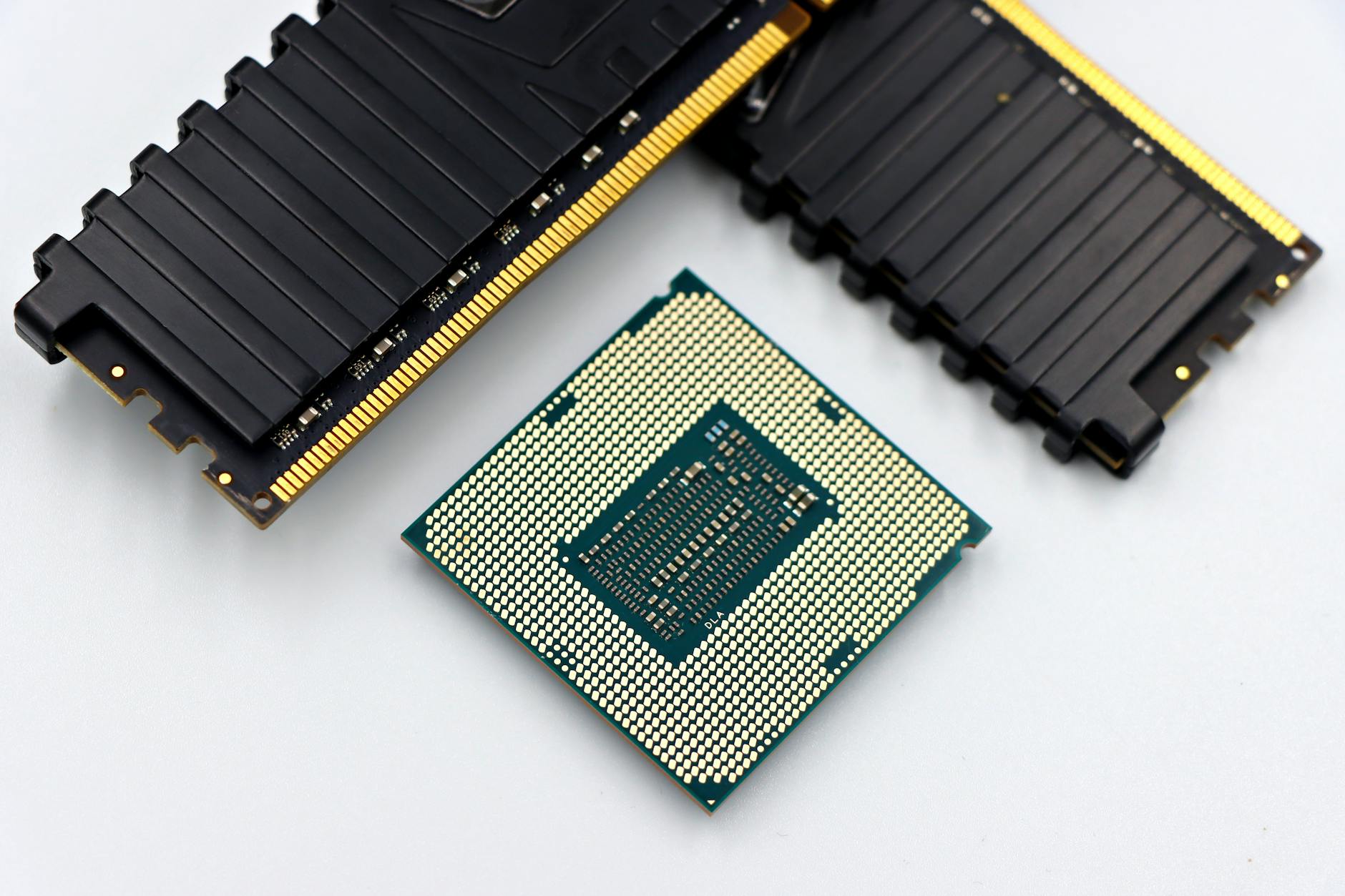
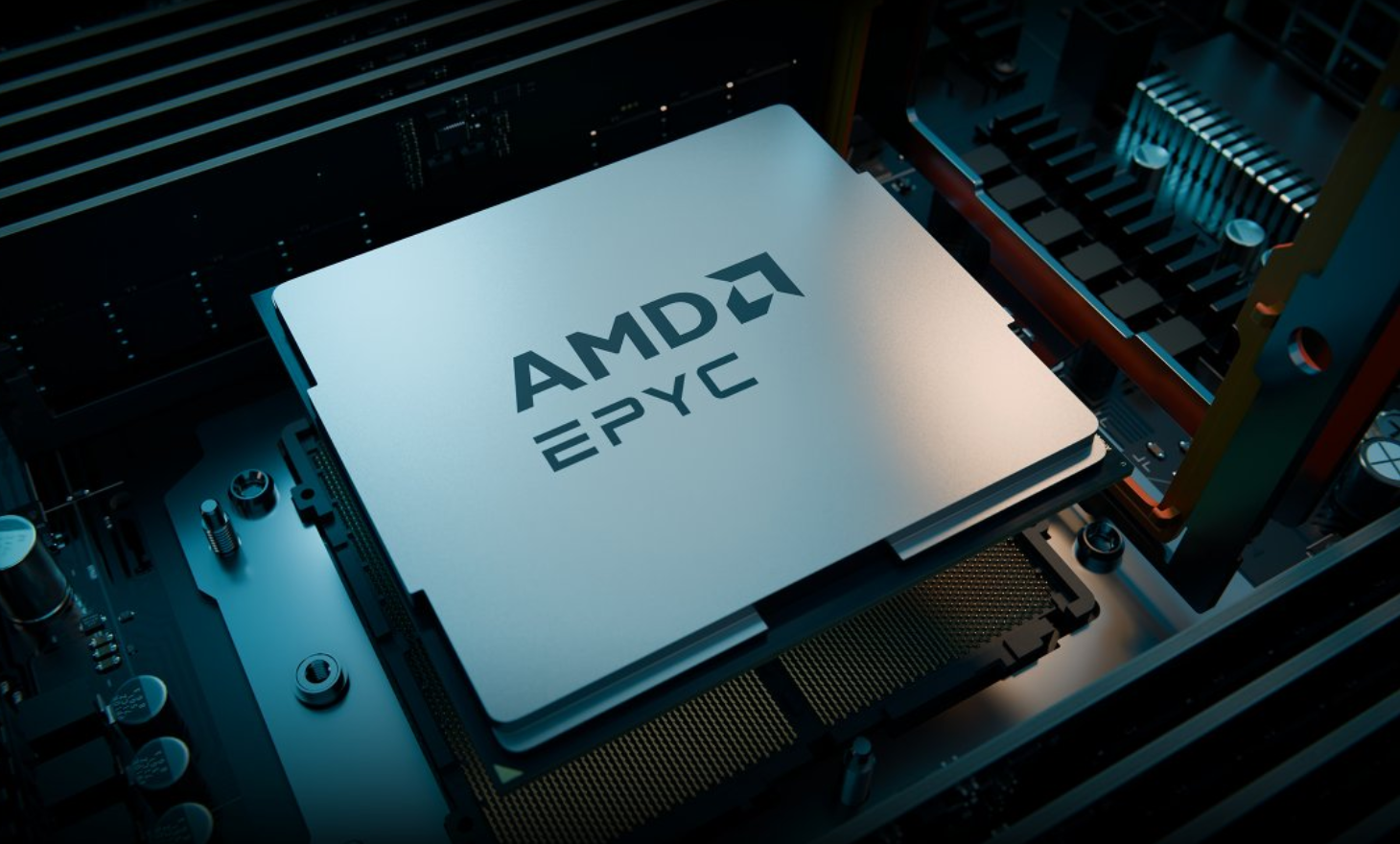
The Ryzen 7 5800X3D is back, and it’s not just a fleeting reappearance. Priced at $310 in India, this once-discontinued CPU signals a shift that could extend the life of AMD’s AM4 platform for gamers seeking high-performance value. For those stuck on AM4 or eyeing its longevity, the 5800X3D’s return is more than a price drop—it’s a strategic recalibration of where gaming power makes sense today.
Why now? The 5800X3D stands out for its 3D V-Cache technology, which crams 96MB of L3 cache into the CPU die. This design choice, first introduced in 2021, boosted gaming performance by reducing memory bottlenecks and improving frame rates—especially in titles that push high-resolution textures or complex shaders. For a CPU that launched at $450 and saw prices climb even higher before vanishing from shelves, the current $310 price is a stark contrast. It’s not just about cost; it’s about proving that AM4 can still deliver near-modern gaming performance without forcing users to upgrade their entire system.
The 5800X3D isn’t a new chip, but its reemergence carries weight in the market. It competes with newer CPUs like Intel’s Core i9-12900K and AMD’s own Ryzen 7 5800X, but it does so on a different playing field: one where price and platform compatibility matter more than raw clock speeds or cutting-edge architecture. For gamers, the appeal is clear—better gaming performance per dollar without the hassle of switching to a newer socket like AM5.
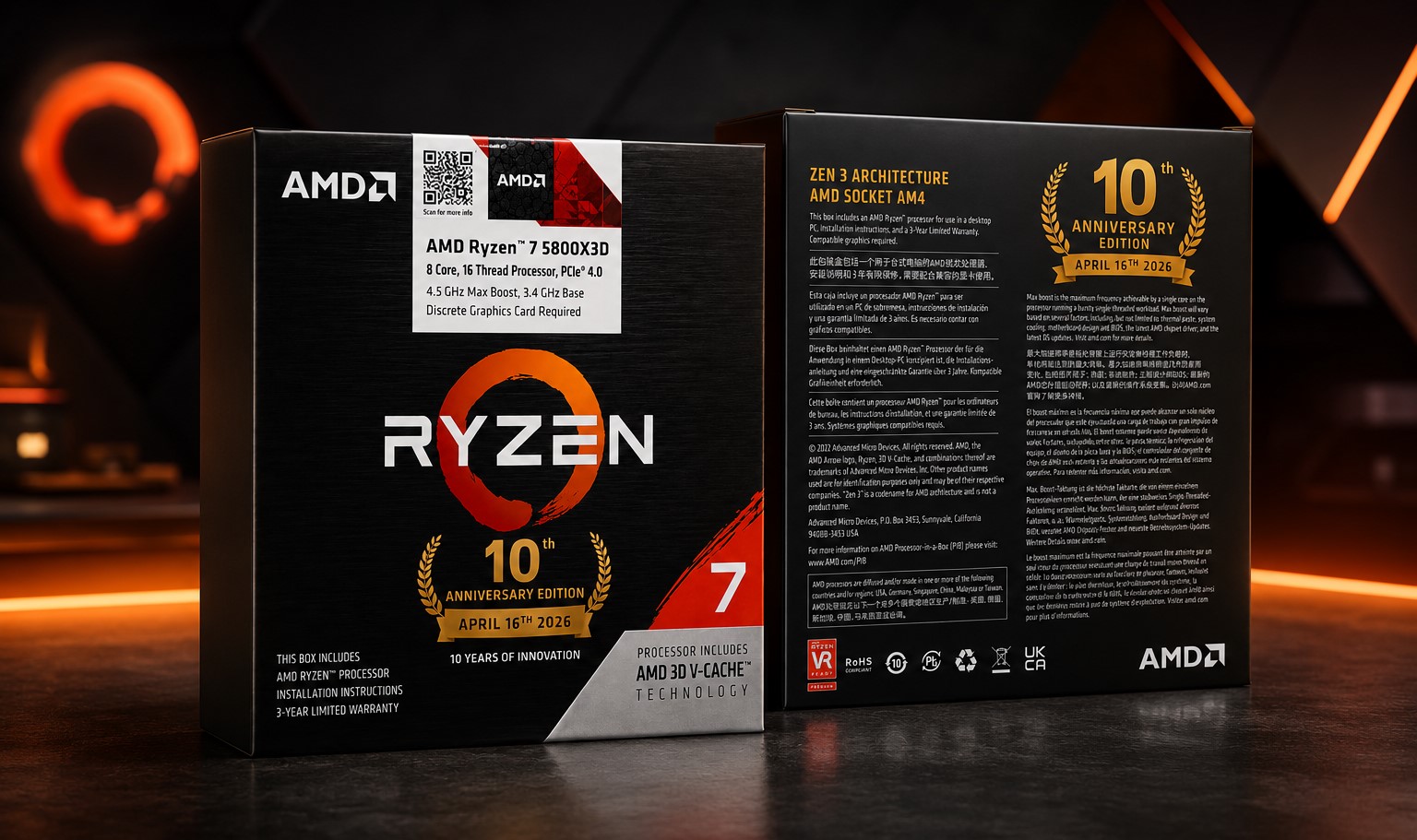
- Performance: 8 cores / 16 threads, 4.5 GHz base clock, up to 4.7 GHz boost clock with Precision Boost Overdrive (PBO), 96MB L3 cache (3D V-Cache)
- TDP: 105W
- Platform: AM4 (AMD B550/B450 chipset compatible)
- Memory Support: Dual-channel DDR4, up to 3200 MHz (official), higher with overclocking
- Price: $310 (as of recent availability in India)
The 5800X3D’s return isn’t without context. AMD has historically been cautious about reviving older products, preferring to push newer generations forward. But the gaming market is evolving—demand for high-performance CPUs at accessible prices is growing, and the AM4 platform still holds a significant share of systems in use. For creators or gamers who invested in AM4 but didn’t upgrade to AM5, this move feels like a lifeline. It also raises questions about whether other discontinued AM4 parts (like the Ryzen 9 5900X or Ryzen 7 5700X) could follow, extending the platform’s relevance even further.
There’s a reality check, though: the 5800X3D isn’t a silver bullet. It won’t match the raw performance of newer CPUs like the Ryzen 7 7700X or Intel’s 13th-gen chips in non-gaming workloads, and its power efficiency is outdated by today’s standards. But for pure gaming—where cache size and memory bandwidth matter more than core counts—the 5800X3D still holds its ground. It’s a reminder that performance isn’t just about the latest tech; it’s also about getting the most out of what you already have.
Who benefits most? Budget-conscious gamers who maxed out their AM4 systems with DDR4 RAM and a capable GPU will see this as a no-brainer. For those on newer platforms, the 5800X3D’s return is less about upgrading and more about observing market trends—proof that older tech can find new life when priced right. If AMD expands this strategy to other AM4 parts, it could reshape how enthusiasts view CPU upgrades, making platform loyalty a more flexible choice than ever.