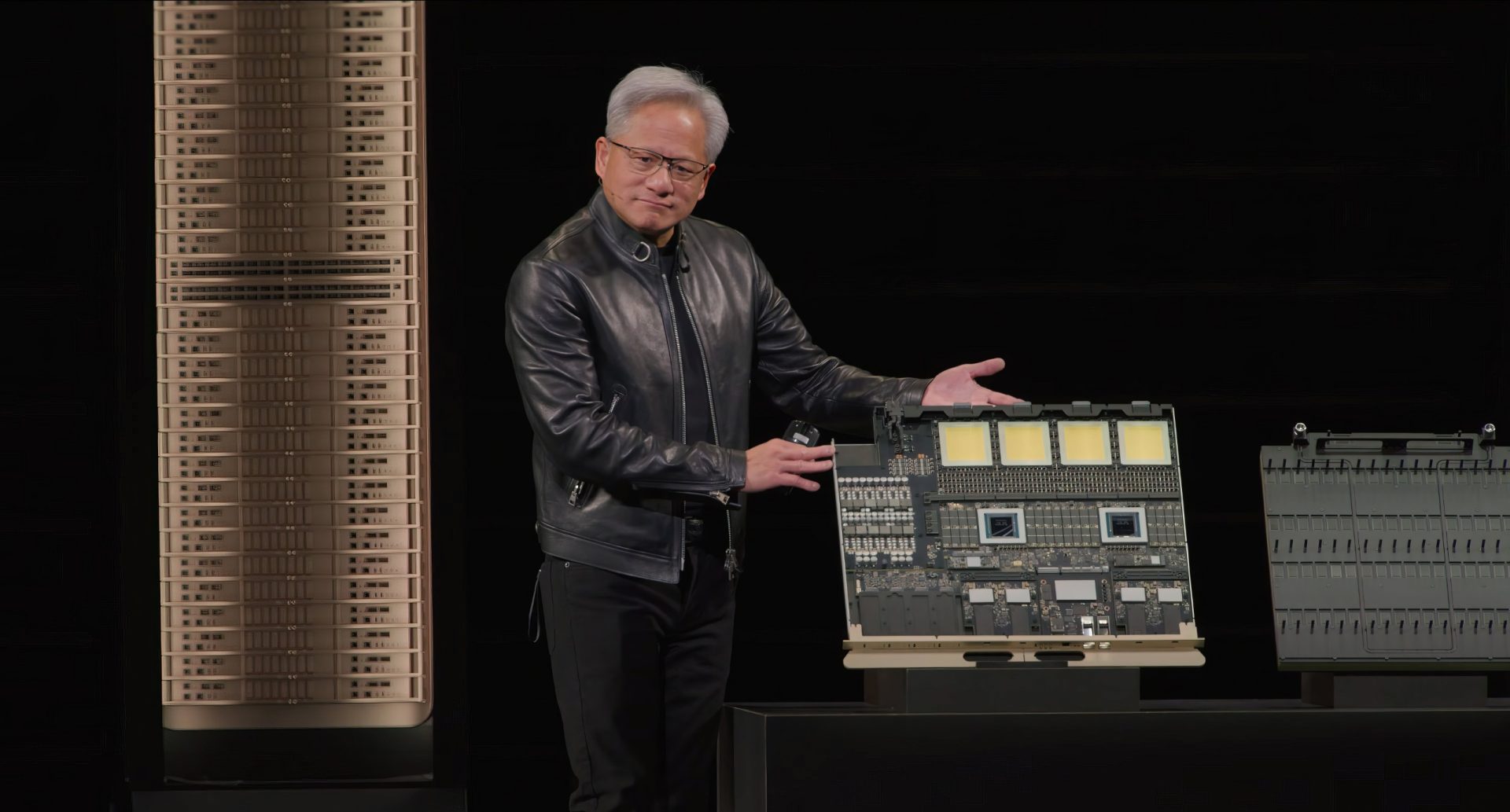
A new 5-gigawatt AI campus, jointly planned by the US and UAE, is poised for launch with a critical 200-megawatt power allocation. This facility will serve as a hub for advanced computing research, leveraging thousands of next-generation chips to support its operations.
The project represents a significant shift in how large-scale AI infrastructure is deployed, combining high-performance compute with dedicated energy resources. The focus on availability and chip supply chain dynamics positions it as a benchmark for future data center designs.
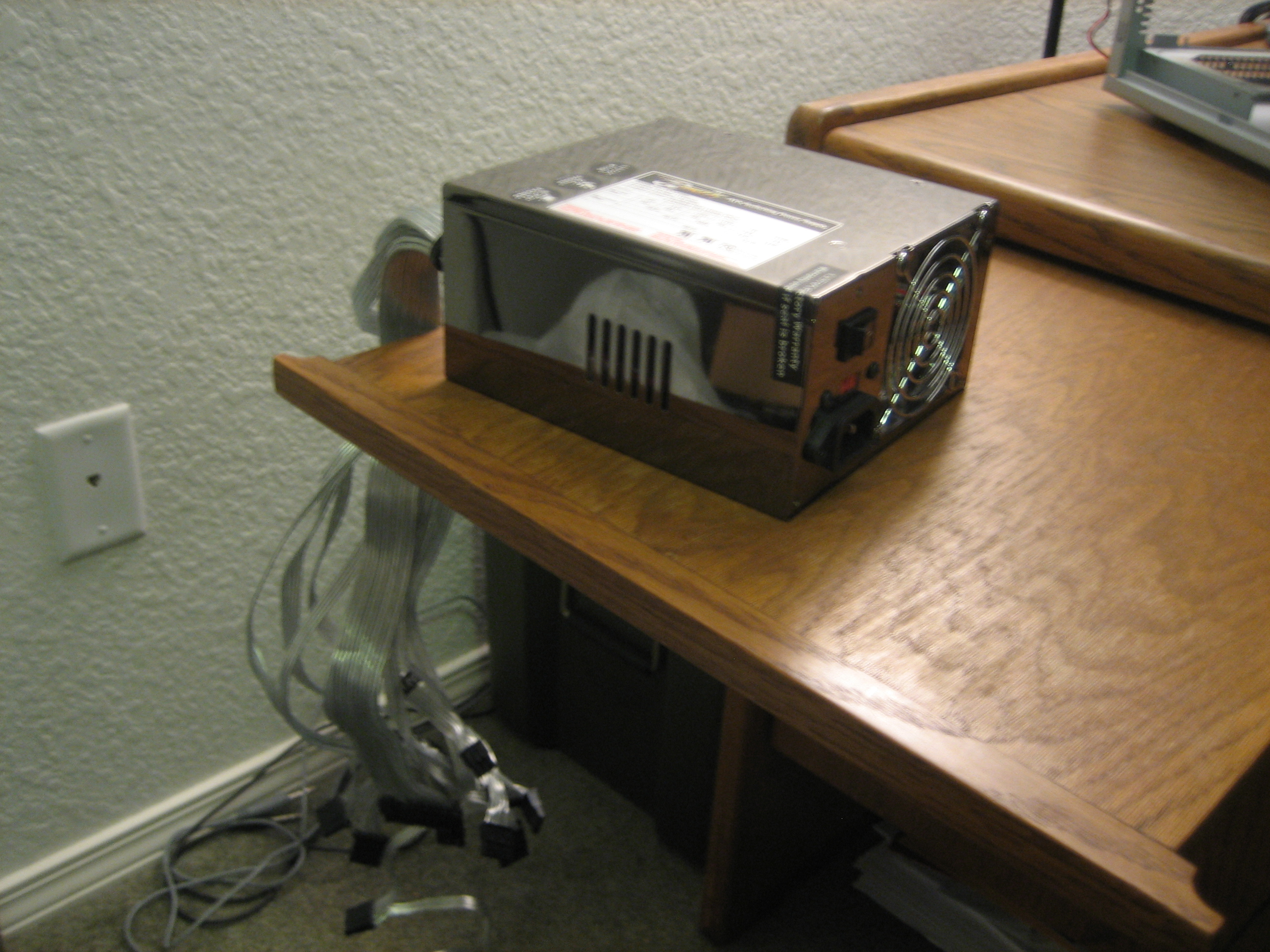
What sets this initiative apart is the emphasis on sustained power capacity. Unlike traditional data centers that often struggle with scalability during peak demand, this campus will operate with 200MW of guaranteed power—enough to support thousands of high-end AI workloads simultaneously. This ensures uninterrupted performance for research and development activities.
The choice of next-generation chips is equally critical. The facility will integrate a diverse range of advanced processors, including GPUs optimized for AI training and inference tasks. These components are expected to push the boundaries of computational efficiency while maintaining thermal management within the power constraints.
Market dynamics play a key role in this deployment. The US-UAE partnership reflects broader trends where governments and private entities collaborate on large-scale infrastructure projects. This approach helps mitigate supply chain bottlenecks, ensuring that AI research remains robust and future-proof. For power users, the availability of such dedicated facilities could redefine how high-performance computing is accessed and utilized.
Looking ahead, the launch of this campus will serve as a test case for how AI infrastructure can scale without being limited by power or chip availability. If successful, it may set a new standard for data center design, prioritizing both computational capacity and energy resilience.