A new operating system built from scratch using AI tools is proving to be more of a curiosity than a functional platform. Vib-OS, described as a Unix-like system with support for both Arm64 and x86_64 architectures, has emerged as a test case for how far an AI-assisted development process can stray without proper refinement.
The project, which relies on Claude—a large language model—for coding assistance, was recently put through its paces by a tech tester. The results were less than impressive: after more than an hour of troubleshooting, the OS barely managed to boot in a virtual environment with 4 GB of RAM and four CPU cores. Installation options, when found, were riddled with errors, suggesting that even fundamental processes are unstable.
Key Specs
- Architecture: Arm64, x86_64
- Memory Requirement: 4 GB (minimum)
- CPU Cores: 4 (recommended)
- Development Tools: Claude AI model (assisted coding)
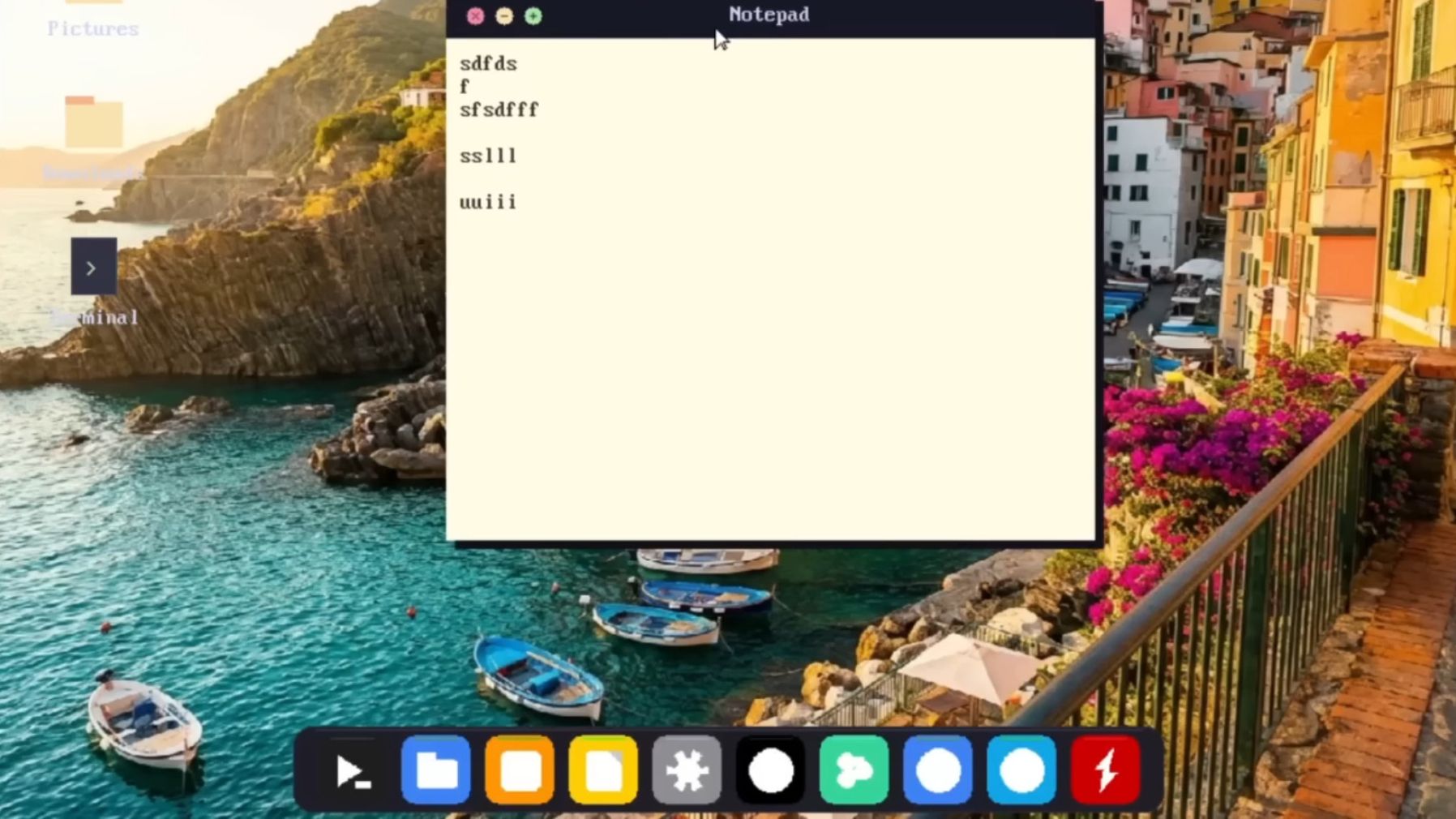
The OS’s design leans heavily on a Mac-like aesthetic, but functionality lags far behind. Basic tasks—like navigating folders or accessing the internet—become exercises in frustration. Folders, for example, append extra slashes to URLs when clicked, rendering them unusable. The file manager and settings menu share the same window, a quirk that underscores deeper architectural inconsistencies.
Why It Matters
Vib-OS isn’t just a failed experiment; it’s a cautionary tale about the risks of rapid, AI-driven development without rigorous testing. While the concept of using AI to assist in OS creation is intriguing—imagine an operating system that adapts dynamically to user behavior—the current iteration falls short in nearly every practical way. The lack of basic functionality, such as arrow key navigation in a text or proper support for languages like Python, highlights the gaps between ambitious coding and real-world usability.
That said, there are moments of unintended charm. Function keys cycle through wallpaper themes, a feature that, if refined, could add personality to future OS designs. The ‘browser’ icon, which instead launches an image viewer, is a humorous misstep that hints at the kind of errors AI tools might introduce without human oversight.
For now, Vib-OS remains a novelty rather than a viable platform. Its flaws—broken apps, non-functional system utilities, and erratic behavior—suggest that while AI can accelerate development, it struggles to replace the meticulous testing and iterative refinement that define stable software. Creators and developers, however, might find value in studying its shortcomings as a case study in what not to do when building an OS from the ground up.