Gaming GPUs are no longer judged solely by their raw performance. Today, the conversation has shifted toward efficiency and thermal management, with ASUS's latest GPU design taking center stage. It promises significant power savings, but only if it can avoid the thermal throttling that has limited previous generations.
The new architecture features 16GB of GDDR6X memory paired with a 240W TDP, a seemingly modest figure until you consider its implications. While the GPU core operates at 3.5 GHz, the real innovation lies in its thermal efficiency. Traditional designs often hit performance walls after reaching 80% of their TDP, forcing significant clock reductions. This design claims to maintain full performance up to 90%, a bold assertion that will be put to the test with upcoming benchmarks.
Thermal Management: A Double-Edged Sword
The push for efficiency is not just about power bills; it's about whether a GPU can deliver consistent performance without overheating. ASUS has taken a different approach, using vapor chamber cooling and low-profile heat pipes to reduce bulk while maintaining thermal headroom. However, the real test will be how it behaves under prolonged gaming sessions.
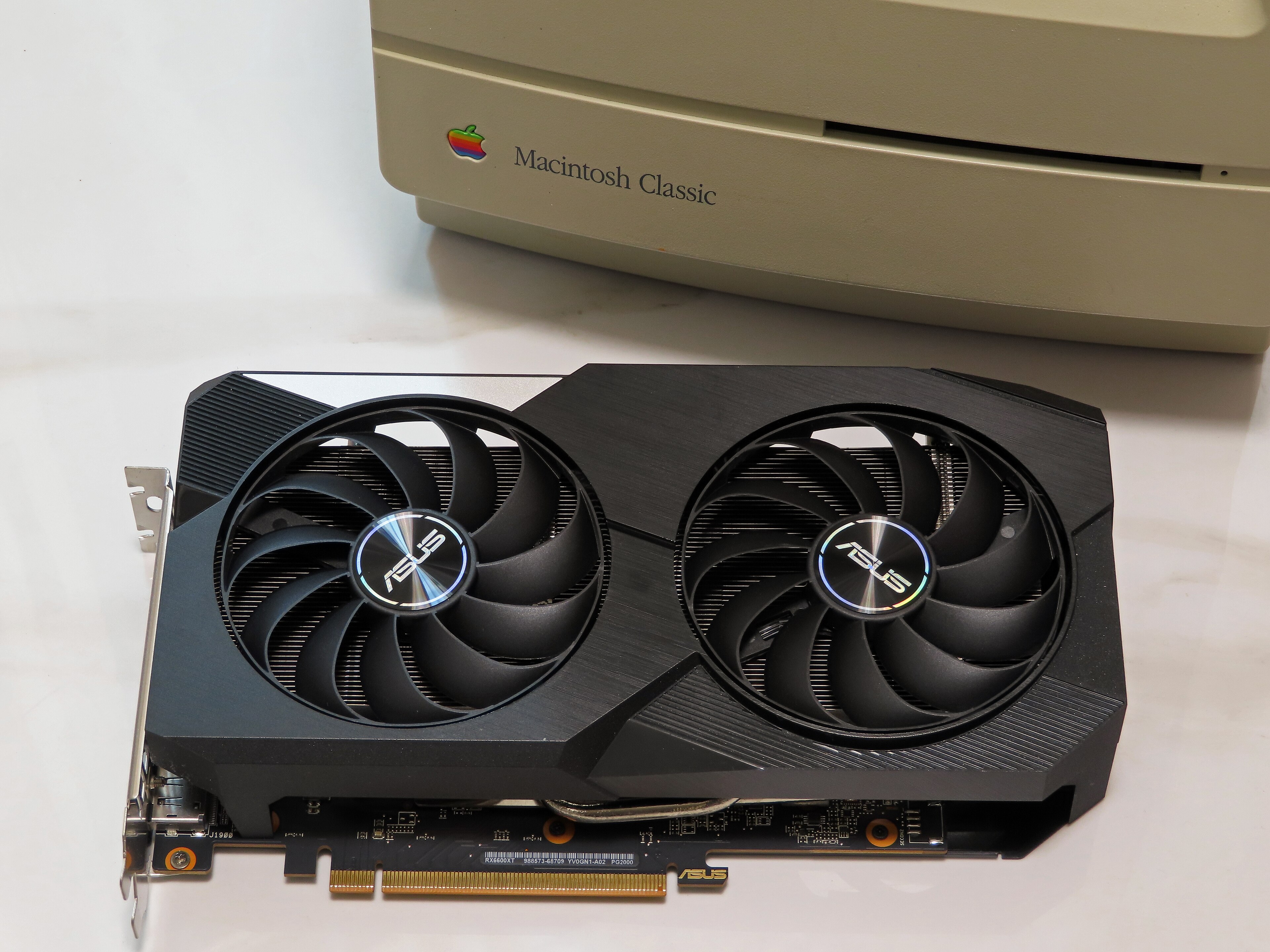
Physics is unforgiving: even with advanced cooling, sustained high-load scenarios could push this GPU toward its maximum power draw. If that happens, the efficiency gains may vanish when they're needed most. This isn't just about wattage; it's about whether a GPU can keep delivering without sacrificing performance.
Implications for Gamers
- A 16GB GDDR6X memory pool ensures smooth high-refresh gaming and content creation.
- The 240W TDP could lead to longer battery life in laptops or lower power costs on desktops, if the cooling system holds up under stress.
The industry is already shifting toward more efficient architectures, but whether this translates into real-world benefits remains uncertain. ASUS's GPU serves as a test case: can efficiency and thermals coexist without compromising raw power? The answer will shape the next generation of gaming hardware.