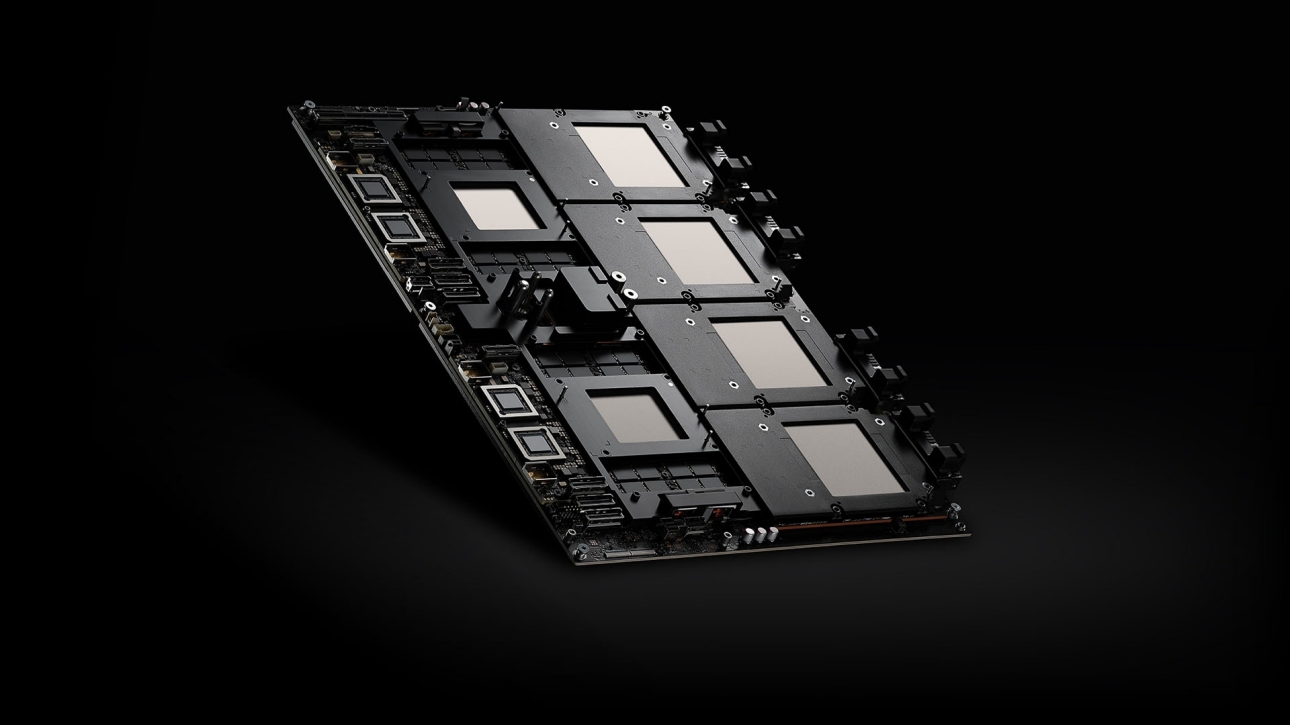
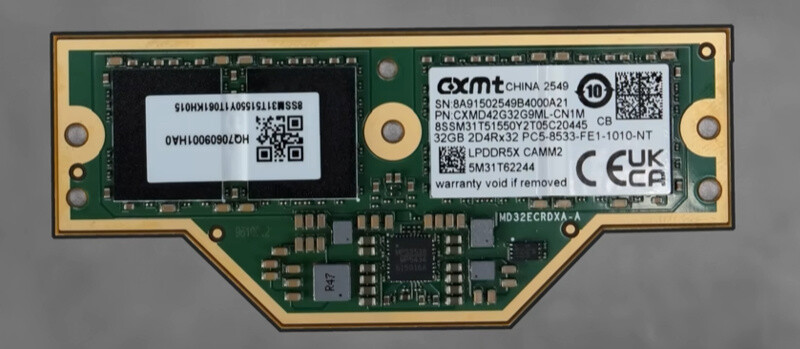
The ThinkBook 16+ is not just Lenovo’s first foray into the LPCAMM2 standard—it’s a deliberate pivot away from the rigid constraints of soldered LPDDR5X modules. The result? A laptop that can scale from 8 GB to 32 GB without sacrificing speed or power efficiency, a feat that challenges the status quo where upgrade paths often mean trading down to slower DDR5 speeds.
- Memory Standard: LPCAMM2 (LPDDR5X-8533)
- Maximum Capacity: 32 GB
- Graphics: Intel Arc B390 iGPU
- Target Workloads: Creative, productivity, and AI-driven tasks
The transition to LPCAMM2 reflects a broader industry reckoning with memory shortages. By partnering with CXMT for module production, Lenovo has sidestepped the traditional dependency on Samsung or SK Hynix, mirroring moves seen in other sectors where OEMs are diversifying suppliers to secure stable, long-term availability.
Where LPCAMM2 stands out is in its practical implications. Unlike soldered LPDDR5X, which is designed for permanence but offers no room for expansion, the SODIMM-based module allows users to swap memory modules as demands change—whether that means adding capacity for larger datasets or replacing a module to extend battery life. The trade-off? A slight increase in power consumption compared to soldered variants, though Lenovo claims thermal management remains on par with industry standards.
This isn’t just about memory, however. The ThinkBook 16+ pairs LPCAMM2 with the Intel Arc B390 iGPU, a combination that targets users who need both GPU acceleration and the ability to run demanding workloads without compromising on portability. Whether this balance holds up in real-world benchmarks remains to be seen, but it signals Lenovo’s intent to position the device as a versatile tool for creative professionals and AI enthusiasts alike.
The implications stretch beyond Lenovo’s product line. If adopted widely, LPCAMM2 could force a rethink of how laptops are designed, manufactured, and serviced—moving away from the ‘set it and forget it’ approach of soldered memory toward systems that adapt to user needs over time. In an era where memory shortages have forced OEMs to get creative with sourcing, this shift could be a blueprint for the next generation of upgradeable, high-performance laptops.
The ThinkBook 16+ doesn’t just introduce LPCAMM2; it raises questions about what comes next. Will CXMT’s modules match the reliability of established brands? Can SODIMM-based LPDDR5X compete with soldered alternatives in performance benchmarks? And perhaps most importantly, will consumers embrace a standard that promises flexibility over permanence? The answers may define the future of laptop memory.