Manufacturers are racing to adopt AI, but most implementations never leave pilot mode. Lenovo and NVIDIA are taking a different approach: they’re showing how AI can run at scale in real production environments—using solutions already tested across Lenovo’s global factories.
The focus is on practical outcomes: reducing lead times by 85%, cutting logistics costs by 42%, and boosting productivity by 58%—figures Lenovo claims to have achieved internally. The question now is whether those gains can be replicated elsewhere without the same level of control or infrastructure.
From Pilot to Production
The partnership centers on two key areas: improving quality through connected production systems and optimizing material flow with autonomous intralogistics. Lenovo’s Automatic Quality Inspection Robotic Cell, for example, uses computer vision, edge AI, and digital twins to detect defects in real time—before they disrupt downstream operations.
- At a North American site, lead times dropped by 85% after deploying AI-driven solutions.
- Logistics costs fell by 42%, while productivity jumped by 58%.
- In Brazil, Hungary, and Mexico, Lenovo’s robotic cells improved quality consistency without manual intervention.
But the bigger claim is about scaling AI beyond individual production lines. Lenovo’s iChain system connects suppliers, logistics partners, and factories in real time—something Gartner already recognized when ranking Lenovo eighth in its 2025 Supply Chain Top 25 list. The goal isn’t just better coordination but faster responses to demand shifts.
Proven Hardware, Unproven Adoption
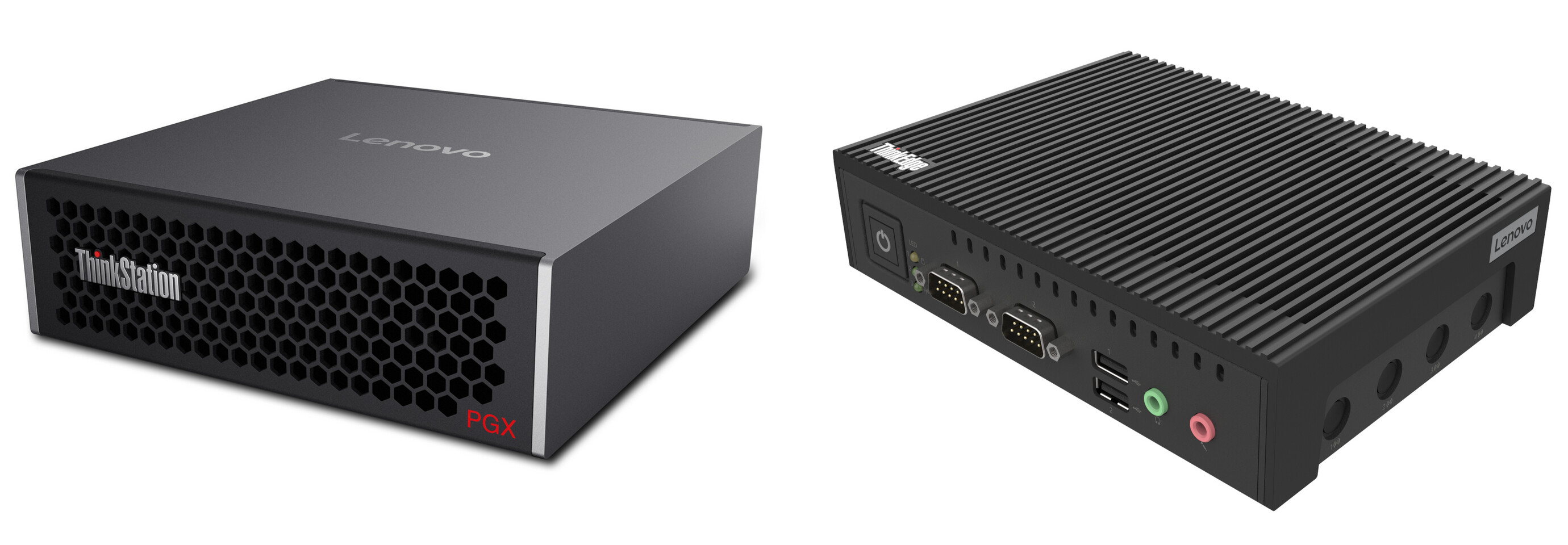
The partnership relies on NVIDIA’s Blackwell architecture—specifically the Grace Blackwell Superchip—to power Lenovo’s solutions. The ThinkStation PGX workstation, equipped with this chip, offers sandboxing and simulation tools like Isaac Sim to validate robotic systems before deployment.
Yet while the hardware is production-ready, the real test will be adoption. Most manufacturers lack the same level of AI integration as Lenovo, and even those that do may struggle to replicate its results without equivalent infrastructure or data.
The partnership’s long-term roadmap hinges on whether Lenovo can generalize its approach—turning internal success into a template for others. If it does, Hannover Messe 2026 could mark the start of AI moving from labs to factory floors in earnest. If not, it may remain another example of promising tech that never scales.