The French entity involved in the development of Build a Rocket Boy, a highly anticipated project from MindsEye, has been placed into judicial liquidation. This development raises serious concerns about its future, particularly regarding regional server operations, localization, and long-term support. The move comes at a critical juncture for both players and hardware manufacturers, as the game’s success may hinge on its ability to adapt to this sudden change.
Initially, France played a pivotal role in the project, handling key aspects such as content creation and server infrastructure. However, with the liquidation, it is unclear whether these responsibilities can be seamlessly transferred or if they will create significant disruptions for players. The situation introduces a layer of uncertainty that could influence purchasing decisions, particularly for those considering hardware upgrades designed to support the game.
Key Uncertainties and Potential Risks
The liquidation does not immediately threaten the project’s existence, as the core development team continues its work elsewhere. However, several critical questions remain unanswered
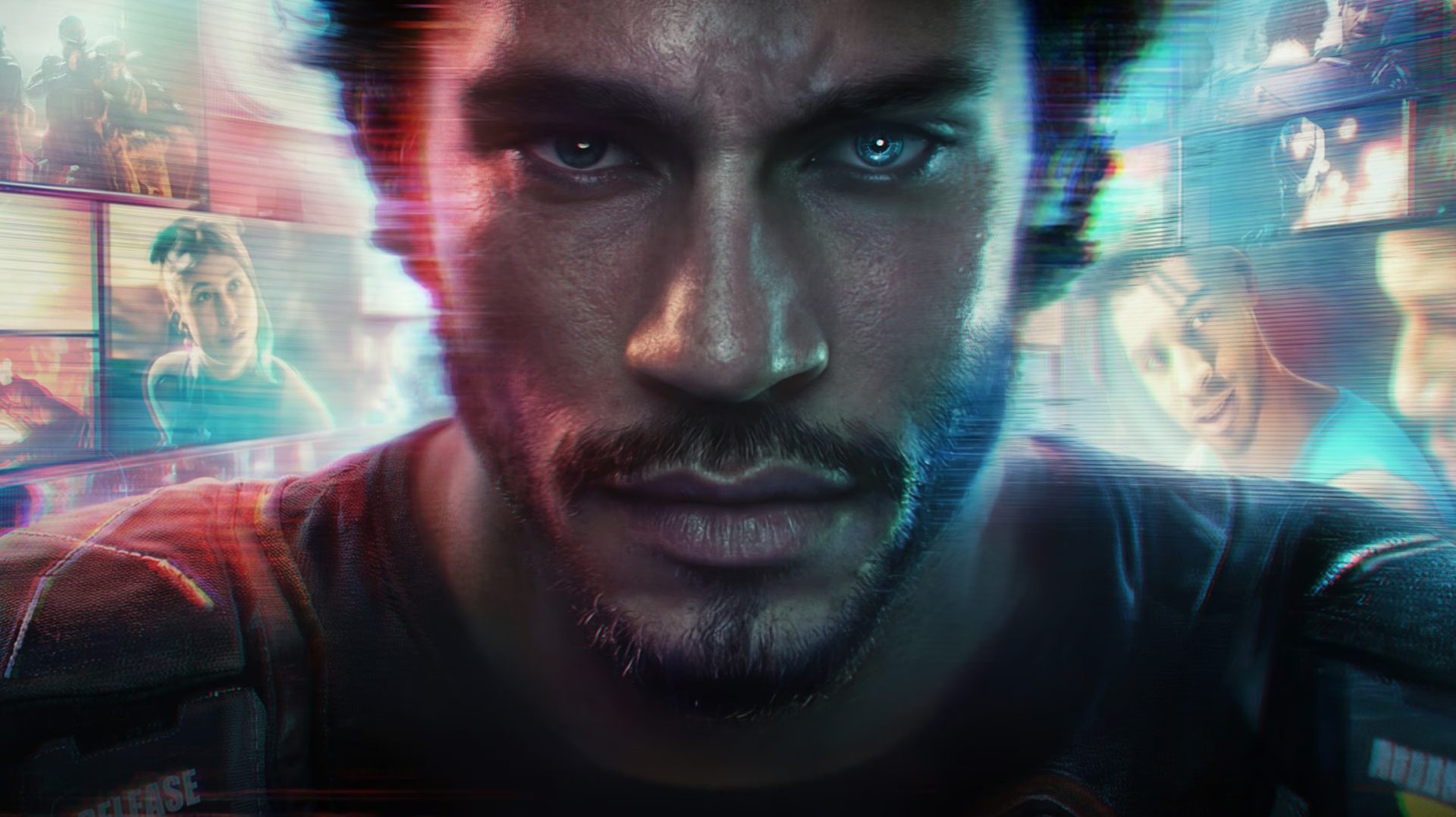
- Will the loss of French infrastructure lead to gaps in regional content or server stability?
- Could proprietary technology developed in France be at risk, affecting hardware compatibility?
- Are there potential delays for software updates or expansions if support needs to be rebuilt?
Players already invested in related hardware may need to closely monitor updates, while new buyers should weigh the risks of investing in a project with an uncertain future. If the game relies on exclusive optimizations tied to French-developed assets, compatibility could become a major concern.
A Path Forward Amid Uncertainty
Despite the challenges, there is no indication that the project itself will be canceled or abandoned. The development team’s ability to navigate this transition smoothly will determine its long-term success. If they can quickly adapt and mitigate any disruptions, the game may still proceed as planned. However, if delays or support issues arise, players could face a less stable experience than initially expected.
For now, the focus remains on whether the project can maintain momentum without significant setbacks. The decisions of gamers—whether to upgrade hardware, wait for further clarity, or reconsider their investment—will largely depend on how well the team manages this transition. The coming months will be crucial in shaping the game’s future and its place within the competitive gaming landscape.