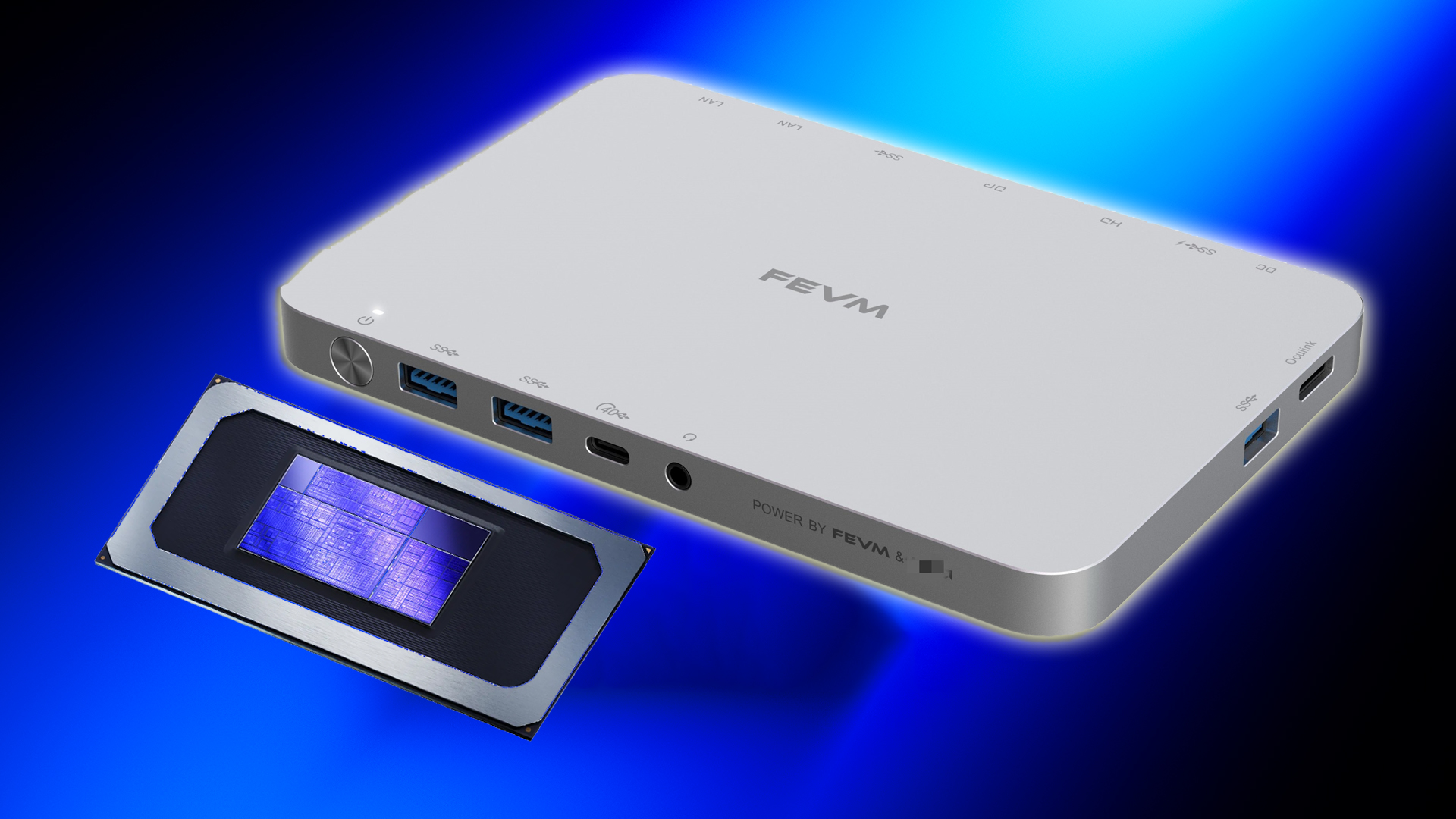
A device that measures just 169 mm wide, 108 mm deep, and under 2 cm tall is pushing the boundaries of what’s possible in ultra-compact computing. The prototype, reportedly based on Intel’s Panther Lake architecture, runs at 55W TDP yet packs enterprise-grade connectivity, including dual LAN ports and three M.2 slots—one supporting Gen 5.0 NVMe. This isn’t just a size experiment; it signals a strategic shift in how businesses approach portable workstations.
The ultra-thin form factor is the most striking feature, but the real innovation lies in balancing performance with practicality. Dual-fan cooling ensures thermal stability despite the constrained space, while 100W power delivery support hints at flexibility for both device operation and peripheral charging. The inclusion of dual Thunderbolt4 ports and a full complement of USB interfaces—Type-A and Type-C—positions this as more than just a mini PC; it’s a portable workstation designed to handle demanding workloads without sacrificing connectivity.
Key specs
- Processor: Intel Panther Lake (55W TDP), likely Core Ultra Series 3 variants (e.g., Ultra 5 335, 332, or 322)
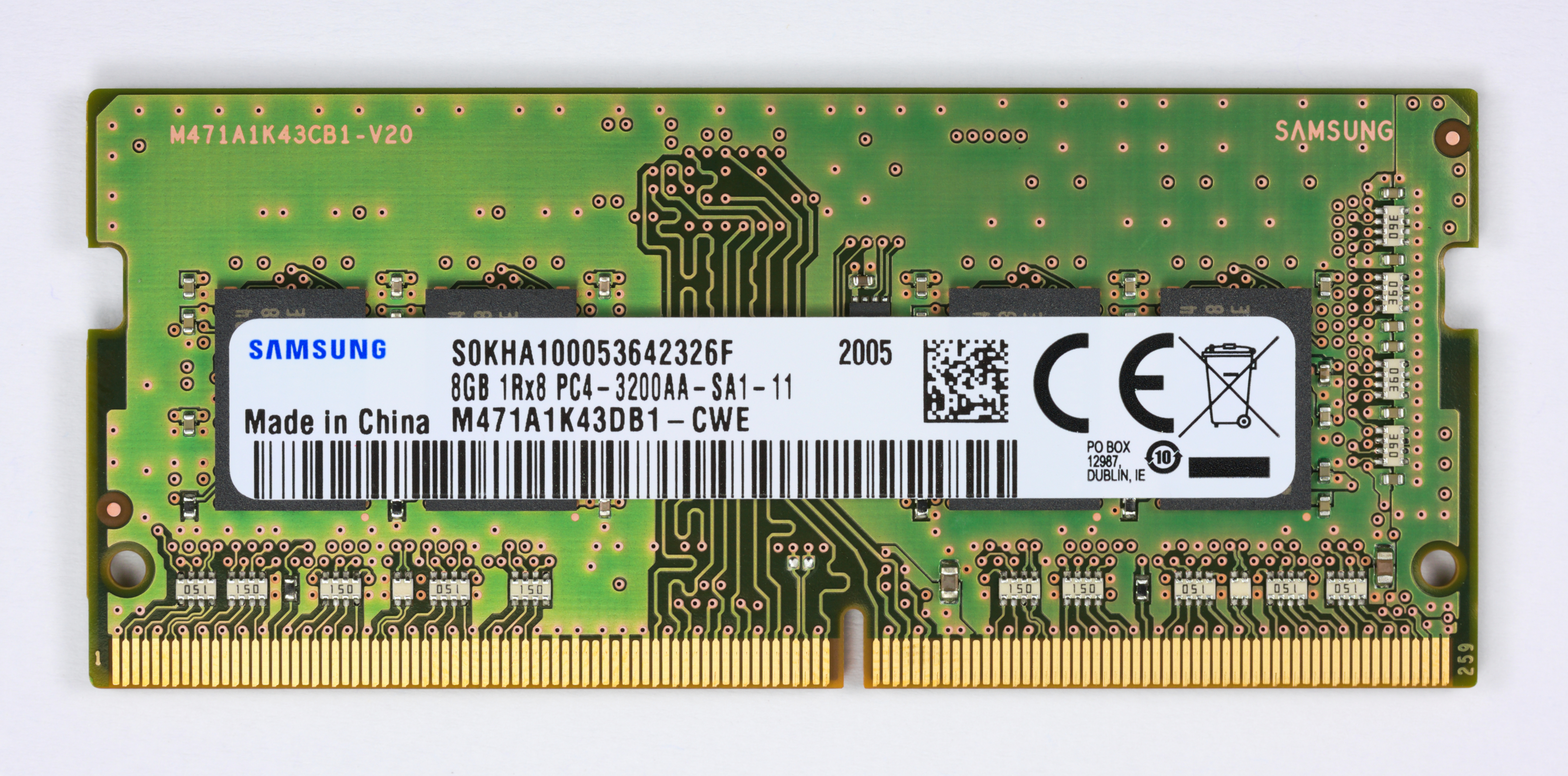
- Memory: Up to 96 GB LPDDR5X (LPCAMM2 module support implied)
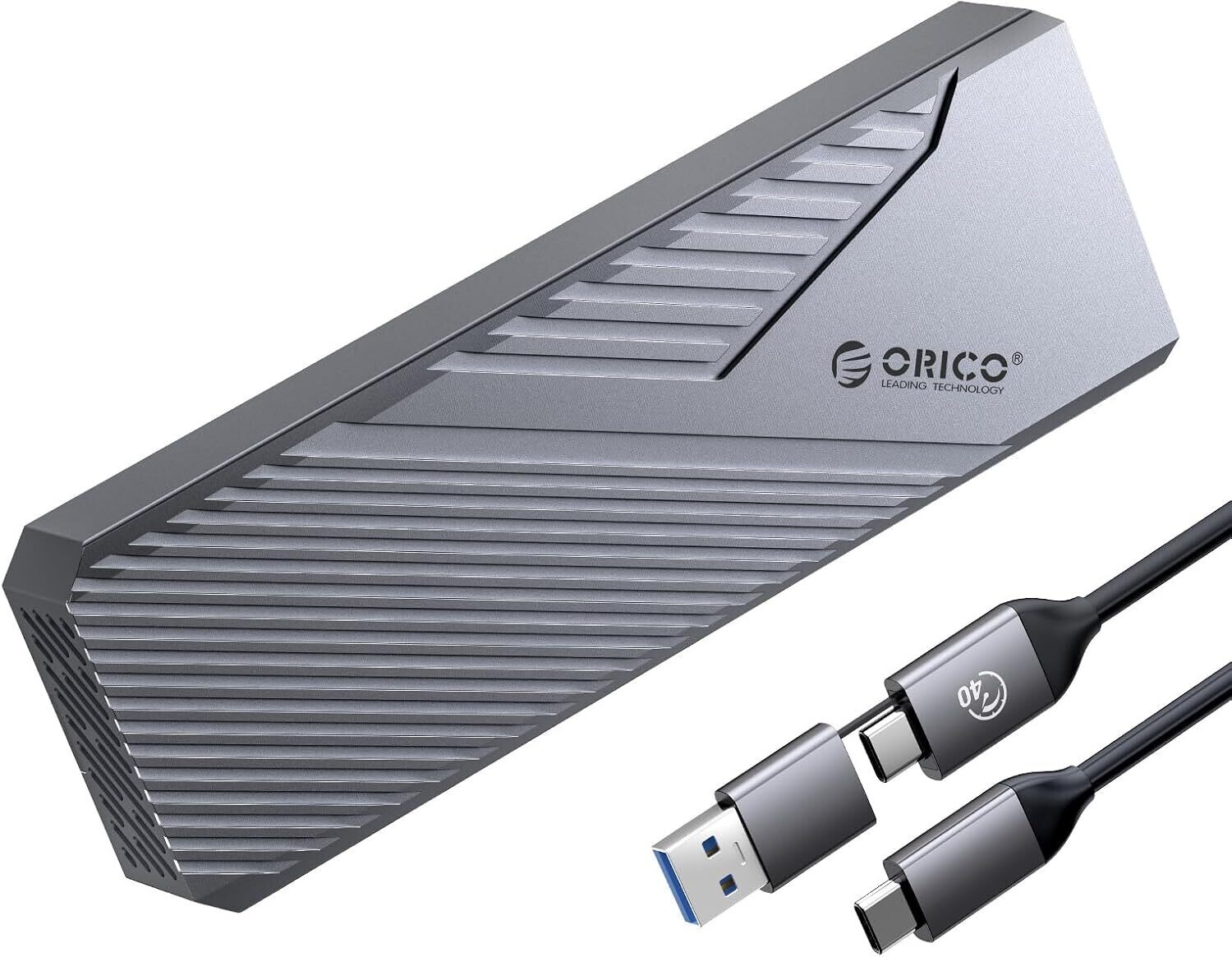
- Storage: Three M.2 slots: one Gen 5.0 x4 NVMe, two Gen 4.0 (one with Oculink adapter, one at 4.0 x2 mode)
- Connectivity: Dual LAN ports (10G and 2.5G), dual Thunderbolt4, multiple USB (Type-A and Type-C), 100W power delivery
- Cooling: Dual-fan solution with heat sinks at the base
- Dimensions: 169 x 108 x 19 mm (under 2 cm thick)
For enterprise buyers, this prototype represents a compelling case for rethinking portable computing. The dual LAN ports—one supporting 10G and the other 2.5G—are particularly noteworthy, offering high-speed wired connectivity in a form factor that’s typically associated with mobility. This suggests a deliberate effort to merge the needs of on-the-go professionals with the performance requirements of data-intensive tasks.
The 96 GB LPDDR5X memory capacity is another standout, though its practical application remains speculative at this stage. If confirmed, it would cater to workloads that demand significant RAM, such as AI inference or multitasking with multiple high-resolution displays. However, the lack of clarity on whether this is standard across all configurations could introduce uncertainty for buyers prioritizing cost efficiency.
Cooling is a critical consideration in such a compact design, and the dual-fan setup addresses that challenge head-on. While the exact layout isn’t visible in the prototype, the presence of heat sinks at the base implies a focus on maintaining thermal performance without compromising thickness. This is crucial for sustained productivity in environments where overheating could be a risk.
Where this device may struggle is in balancing its ultra-compact design with real-world usability. While it fits in a pocket, the practicality of carrying it daily—especially in professional settings—remains to be seen. The 100W power delivery support is a step toward mitigating battery life concerns, but without knowing the actual battery capacity or runtime, its suitability for all-day use is unclear.
For now, this prototype represents a significant leap forward in ultra-compact computing, blending high performance with enterprise-grade connectivity. Whether it delivers on that promise in practice will depend on how FEVM refines the design and addresses the tradeoffs inherent in such a radical form factor. For buyers evaluating portable workstations, the stakes are clear: this could redefine what’s possible, but only if the execution matches the ambition.