Football’s transfer windows have become a circus of speculation, rumors, and digital wish-fulfillment—where every manager is secretly a tactical genius and every deal is a seamless, game-like negotiation. But for Tottenham Hotspur’s Thomas Frank, the reality is far grittier. During a recent press conference, the Danish coach, now in his second season at the North London club, took a swipe at the fantasy of transfer dealings, comparing them to the streamlined process in Football Manager.
The fans just want the best for the club, he said, before pivoting to the chaos of real-world football. But the transfer window is not Football Manager, unfortunately. It is not. We would not have as many good stories to talk about.
The remark came after Tottenham’s failure to secure Antoine Semenyo, a defensive target linked to the club for months. The 21-year-old instead joined Manchester City for £62.5 million—a decision that left Spurs fans and pundits questioning Frank’s ability to compete in the modern transfer market. The manager acknowledged the club’s commitment to improving the squad but framed the process as anything but efficient.
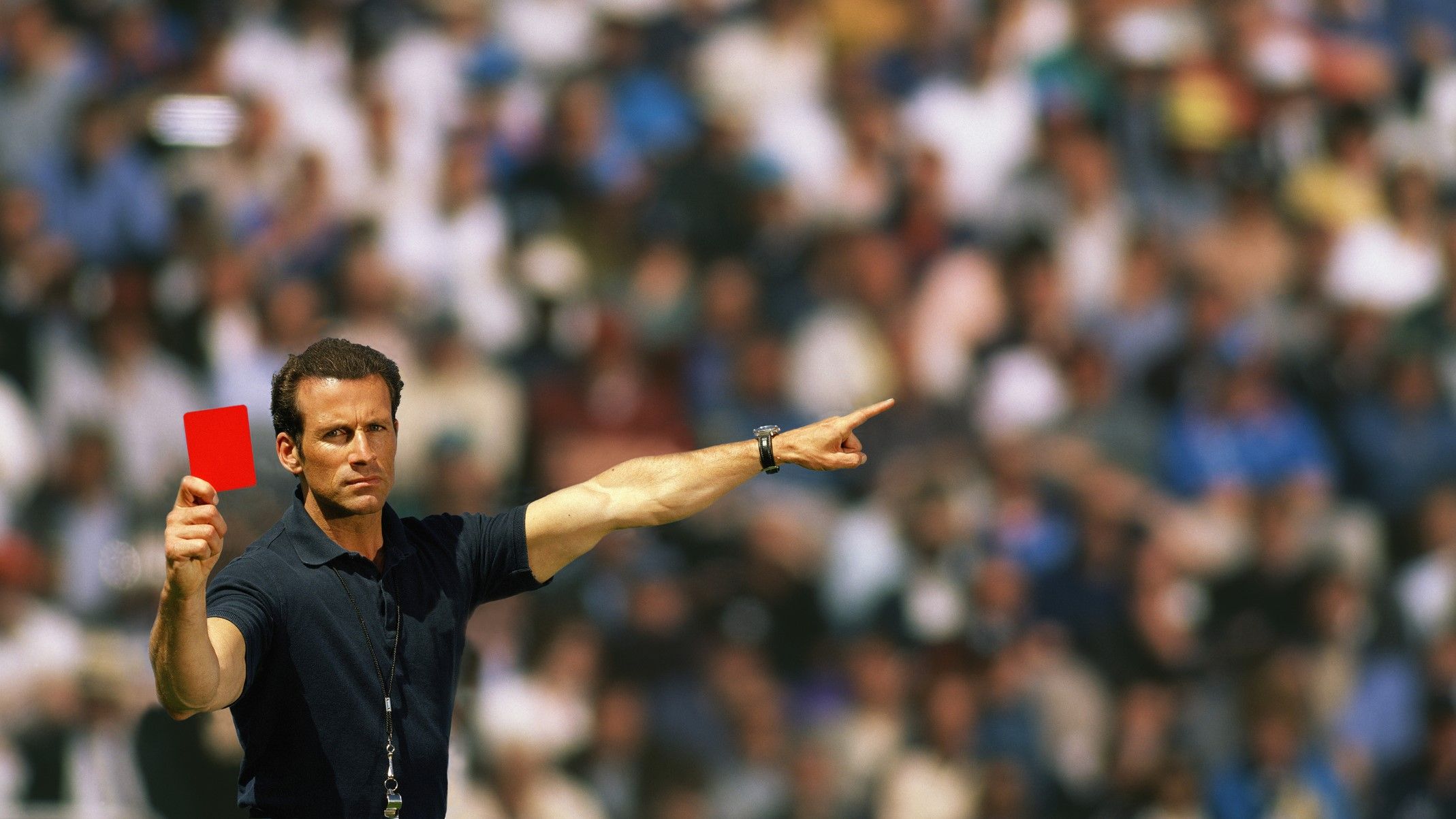
In Football Manager, securing a player is a matter of patience and persistence: submit an offer, wait for a response, negotiate terms, and—if all goes well—watch the transfer complete in a matter of days. Real life, Frank implied, is far more convoluted. Personal circumstances, trophies, and even a player’s emotional connection to a club play a role. Semenyo’s move to City, for instance, was likely driven by the prospect of silverware rather than tactical fit.
Frank’s frustration isn’t just about lost signings. It’s about the relentless media scrutiny that turns every transfer rumor into a crisis. While Football Manager* allows for quiet, calculated decision-making, real managers face a storm of social media chatter, fan demands, and the ever-present threat of failure. Tottenham’s current 14th-place Premier League standing—despite qualifying for the Champions League last 16—underscores the pressure. The team has suffered avoidable defeats, the kind that would trigger a reload in a video game but leave real-world coaches grappling with the consequences.
The dig at Football Manager* wasn’t just a jab at the game’s mechanics. It was a reminder that football’s unpredictability is what makes it compelling—even when it’s frustrating. For now, Spurs fans will have to settle for the messy, unpredictable reality rather than the tidy, satisfying outcomes of a simulation.