A former Samsung engineer is facing seven years in prison after being convicted of leaking core DRAM technology to China's CXMT, a move that has intensified scrutiny over intellectual property theft in the semiconductor sector. The sentence follows a six-year investigation into alleged violations of South Korea's Industrial Technology Protection Act.
The engineer, identified as Jeon Mo, reportedly received approximately $2 million for his role in transferring sensitive DRAM-related information to CXMT. Prosecutors claim he provided detailed process steps and verified data that contributed to CXMT's development of its first mass-produced DRAM in 2023.
This is not an isolated case. Earlier this year, another former Samsung employee, Kim Mo, was also sentenced to seven years for leaking 18nm DRAM technology. The incidents have raised concerns about the vulnerability of South Korea's memory industry, particularly as global competition in DRAM production intensifies.
Investigators found that CXMT used a front company to recruit former Samsung employees, offering financial incentives and stock options to facilitate the transfer of proprietary information. The leaks allegedly included hundreds of process steps, which were corrected and verified by the Chinese firm before being integrated into its production line.
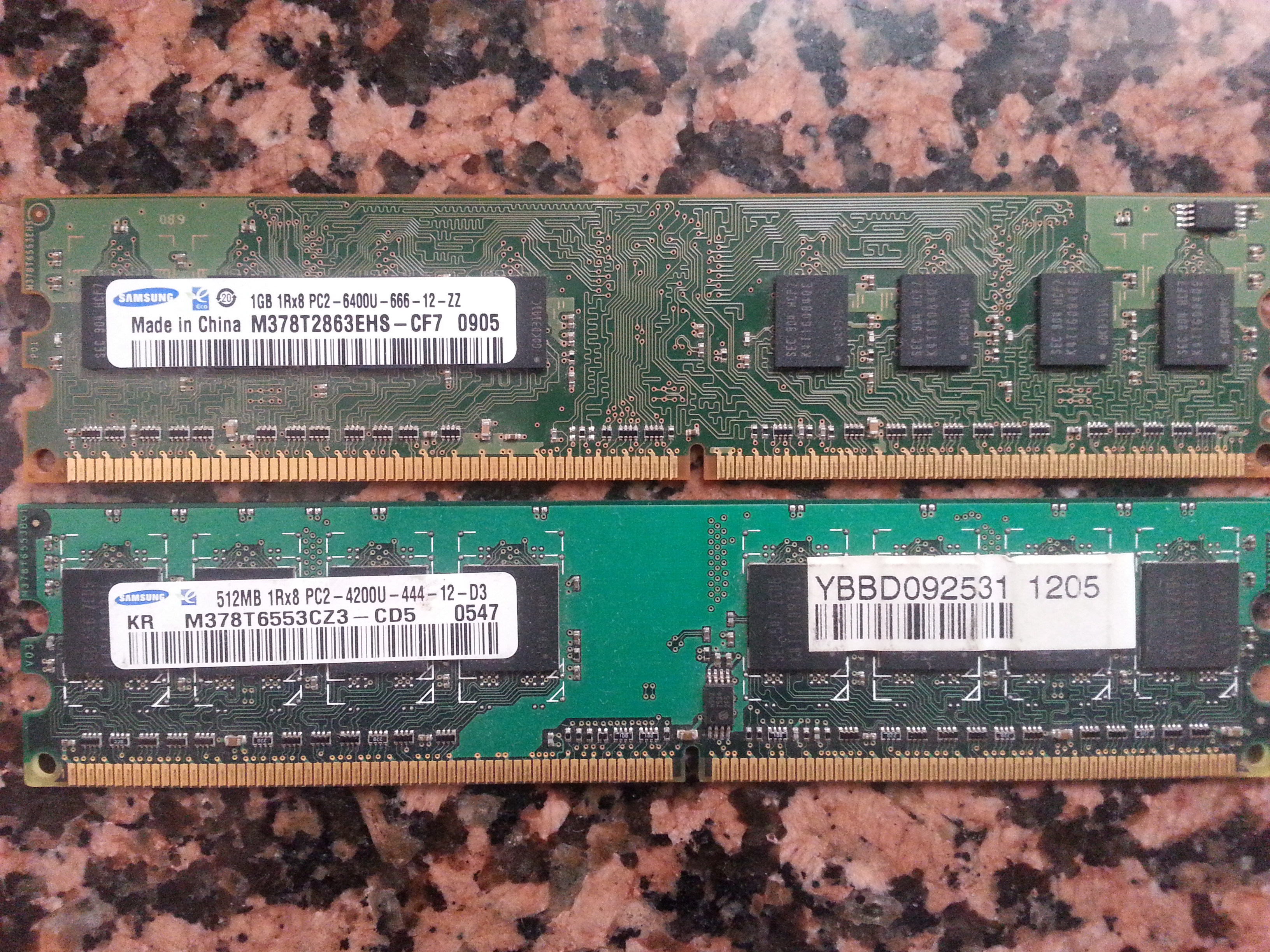
The case highlights the growing tension between South Korea and China in the semiconductor industry, where DRAM and GDDR6 memory chips play a crucial role in both consumer electronics and high-performance computing. While Samsung remains a leader in memory technology, these incidents serve as a stark reminder of the risks posed by insider threats and corporate espionage.
The sentencing comes at a time when Samsung's memory division is navigating significant challenges, including rising production costs and increased competition from both domestic and international players. The fallout from these leaks could further complicate Samsung's efforts to maintain its dominance in the DRAM market, particularly as it expands into AI-related memory solutions.
For now, the focus remains on enforcement, with South Korean authorities tightening oversight of intellectual property protections. The case also raises broader questions about how firms can safeguard their most valuable assets—knowledge and expertise—in an era where data is as critical as hardware.