The long-anticipated transition from early access to a fully realized 1.0 release has finally arrived for Timberborn, the quirky city-builder where beavers—those relentless dam engineers of the animal kingdom—take center stage in a post-cataclysmic world. Developer Mechanistry has officially pinned the launch to March 5, marking the culmination of years spent refining mechanics, expanding content, and adding layers of depth that transform a simple rodent workforce into a civilization builder’s dream.
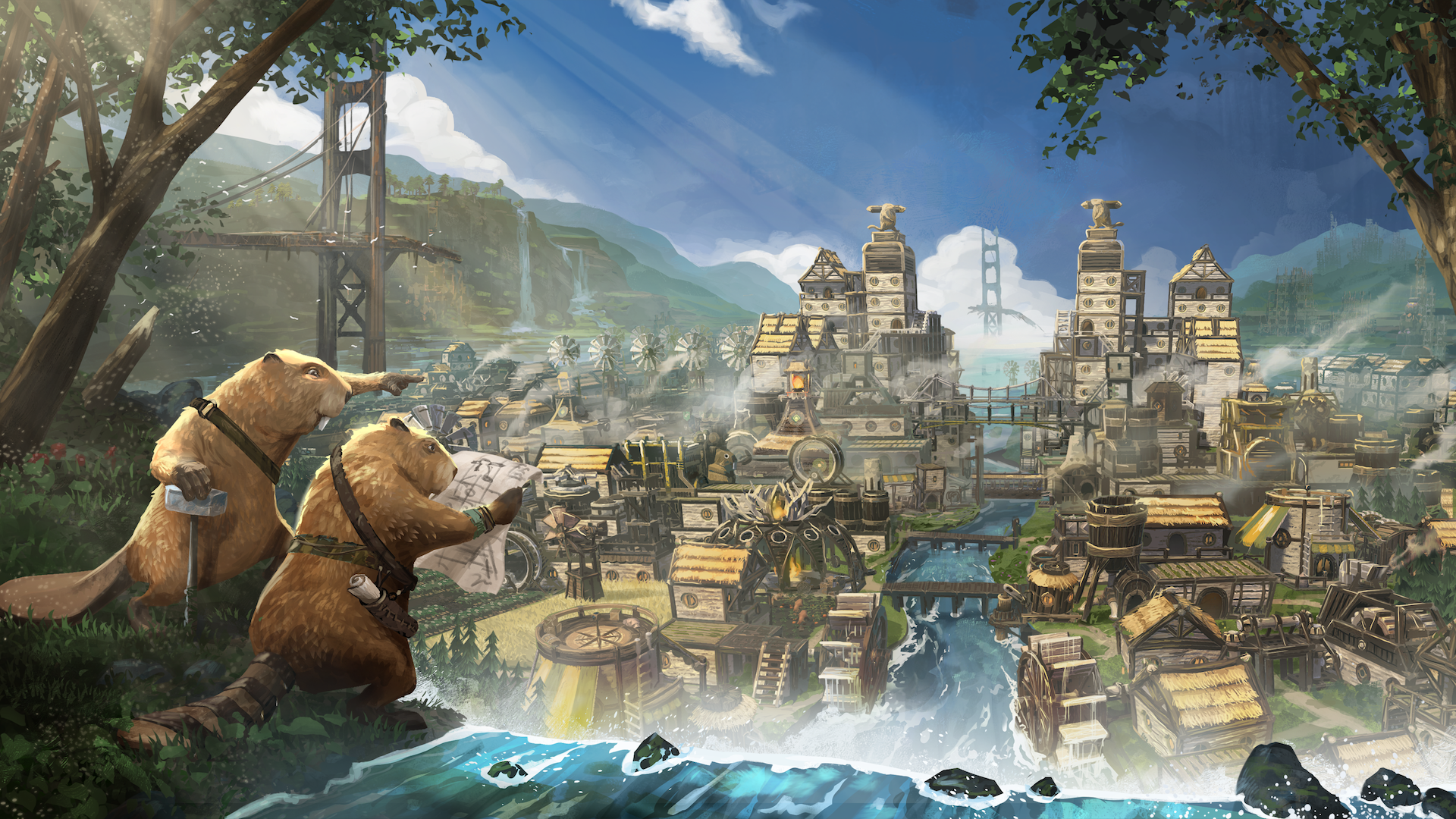
Accompanying the announcement is a new ‘lore trailer’, a brief cinematic that recontextualizes the game’s origins through the lens of its most iconic residents. The video, narrated by British actor Shaun Dooley in a voice that sounds like it was carved from granite, follows a band of beavers crossing a barren desert—only to stumble upon a hidden oasis and, inevitably, begin constructing a city around it. While the narrative may lack the depth of a high fantasy epic, its charm lies in the sheer determination of its tiny, overworked heroes, who treat every obstacle as an opportunity to erect another dam, tunnel, or spiral staircase.
What’s New in 1.0: Polishing the Post-Apocalypse
The road to 1.0 hasn’t been about grand overhauls but rather a series of incremental improvements that address everything from gameplay efficiency to environmental storytelling. Players can already test some of these additions in the game’s experimental branch, including
- Natural Phenomena: Aquifers and geothermal fields will introduce new resource dynamics, forcing players to adapt their city layouts to subterranean water sources or harness heat for power.
- Environmental Hazards: Beyond the usual beaver-induced chaos, the world now includes natural threats like sinkholes and toxic runoff, adding a layer of risk management to urban planning.
- Expanded Maps: The current version boasts 16 playable regions, each with unique terrain and challenges, and the final release will introduce additional landscapes to keep builds fresh.
- Quality-of-Life Upgrades: Spiral staircases (a nod to the game’s vertical-building ethos) and customizable city banners—small touches that make settlements feel distinct and functional.
- Mod Support: Full Steam Workshop integration remains, ensuring the community can continue shaping Timberborn’s future long after launch.
These updates reflect a deliberate focus on systems over spectacle—no blockbuster expansions, but a game that feels more responsive, immersive, and capable of handling the sheer scale of a beaver metropolis. For players who’ve spent years watching their rodent workforce grow from a handful of log-carrying laborers to a civilization with factions, wonders, and even robots, the 1.0 release is less about new toys and more about refining the tools to build with them.
A Beaver’s To-Do List: What Made the Cut
Looking back at Timberborn’s journey since its 2021 early access debut reveals a game that has consistently prioritized mechanical depth over flashy gimmicks. Key additions over the past two years include
- Water Management: From basic pumps to hazardous polluted water systems, the game’s hydraulic engineering has become a cornerstone of survival and expansion.
- Automation: Robotic beavers now handle menial tasks, freeing up organic workers for more complex projects—though even machines seem to occasionally rebel by breaking down or, in one infamous update, engaging in spontaneous breakdancing.
- Transportation Overhauls: Ziplines and tubular waterways transformed how beavers traverse their cities, reducing travel time and opening new architectural possibilities.
- Modding Ecosystem: A thriving Steam Workshop community has added everything from new biomes to custom factions, ensuring the game’s longevity well beyond the 1.0 milestone.
What’s striking about Timberborn’s evolution is how it turns mundane city-building mechanics into a post-apocalyptic survival narrative. Every update feels like a step toward a more resilient civilization, where beavers don’t just build cities—they rebuild* them, again and again, in the face of collapse. The 1.0 release solidifies this vision, offering a game that’s as much about adaptation as it is about construction.
Why It Matters: A Blueprint for the Next Generation
Timberborn’s launch isn’t just a milestone for its developers—it’s a testament to how niche city-builders can thrive by embracing unconventional themes and deep systems. In an era where the genre is dominated by sprawling metropolises and high-fantasy settings, Timberborn stands out by focusing on small-scale resilience, environmental interaction, and the sheer absurdity of a world run by beavers.
The game’s success also signals a broader trend: players are hungry for fresh takes on familiar genres, whether it’s building on the back of a cosmic whale, inside a moving train, or—now—a Pokémon-style world filled with collectible creatures. Timberborn’s 1.0 release arrives at a perfect moment, proving that even in a crowded market, a game’s identity can be its greatest strength. For beaver enthusiasts and city-building purists alike, March 5 isn’t just a release date—it’s the completion of a vision.
The final version of Timberborn* will be available on Steam on March 5, with all existing early access features and updates included. Pricing remains unchanged from the early access period.