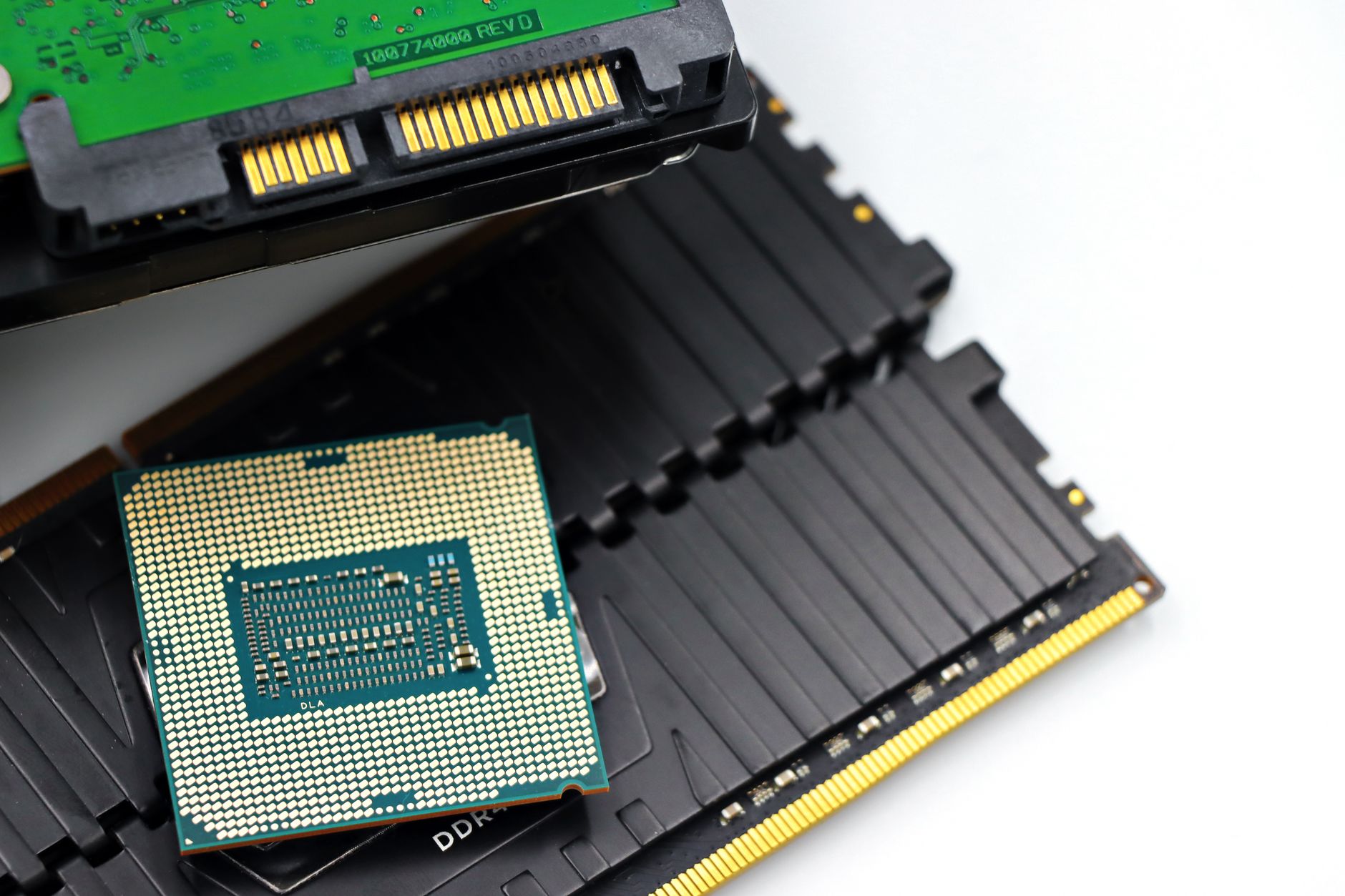
The memory market has entered a rare moment of calm. Prices for both DDR4 and DDR5 modules, which have seen wild swings over the past year, appear to have plateaued in recent days. At first glance, this might look like relief for PC builders and system integrators. But beneath the surface, the forces driving this stabilization are not a sign of easing shortages—they’re a strategic maneuver by suppliers to reset pricing for the long term.
This isn’t the first time the RAM market has experienced false hope. Earlier this year, distributors slashed prices temporarily to clear inventory ahead of the Lunar New Year, only for costs to rebound sharply as demand from data centers and AI infrastructure remained unchecked. Now, industry analysts are pointing to a more ominous pattern: suppliers are deliberately offloading existing stock at lower rates—not out of necessity, but to generate cash flow while locking in higher prices for future contracts.
The latest data from Citrini analyst Jukan Choi underscores this shift. While DDR4 and DDR5 prices have flattened in the short term, the underlying contracts between DRAM manufacturers and distributors are being rewritten with steep increases baked in. Reports indicate some suppliers are now quoting a 125% premium on quarterly DRAM pricing, a figure that would translate directly to consumer products if passed down the chain.
Why the Pause Isn’t a Recovery
For consumers, the current stabilization is a temporary illusion. The real drivers of RAM costs—supply chain bottlenecks, geopolitical tensions over semiconductor production, and insatiable demand from AI training—remain intact. What’s changed is the tactics of suppliers, who are using inventory turnover as a tool to manipulate market psychology. By flooding channels with stock at slightly reduced prices, they create the illusion of affordability while quietly negotiating long-term contracts that will push prices higher once the current stock is exhausted.

This isn’t speculation. The industry has already seen the consequences of similar strategies. Earlier this year, a 512GB DDR5 server kit from V-Color became a headline-grabbing anomaly, priced at nearly the same cost as seven NVIDIA RTX 5090 GPUs—a clear indicator of how far DRAM shortages can distort pricing. For gamers and content creators, this means that even if prices dip slightly in the coming weeks, the next round of hikes could be more aggressive than before.
Who’s Really Driving Demand?
The demand side of the equation isn’t going away. While consumer PCs remain a secondary market for RAM, the real pressure is coming from data centers, where AI workloads are consuming memory at an unprecedented rate. LPDDR5 for mobile devices, SOCAMM for high-end workstations, and HBM for AI accelerators are all seeing surging demand, and the PC industry is collateral damage in this broader trend.
Major PC manufacturers are already adapting by exploring alternative supply chains, including sourcing memory from Chinese producers—a move that reflects how deeply the shortages have disrupted traditional markets. But even this shift won’t solve the fundamental issue: as long as AI infrastructure expansion continues, DRAM will remain a constrained resource, and prices will follow supply dynamics rather than consumer needs.
The Road Ahead
For now, the best advice for buyers is to monitor price trends closely. The current pause may offer a brief window for upgrades, but those expecting lasting relief should prepare for another wave of increases. The hard part—the structural imbalance between supply and demand—isn’t over. It’s only just beginning.