Samsung's ambitious push into next-generation high-bandwidth memory (HBM) has encountered a significant roadblock. The company, which had been preparing to scale production of its HBM5E modules, is now facing an extended delay due to yield issues with its D1d DRAM process. This development threatens to reshape the timeline for advanced memory adoption in AI and data-center workloads.
HBM5E represents a critical leap forward in memory technology, offering nearly double the bandwidth of current HBM4 modules while consuming significantly less power. Samsung had targeted this variant as a cornerstone for next-generation AI chips and high-performance computing systems. However, the company's ability to deliver on that promise now hinges on overcoming substantial manufacturing challenges.
The D1d process, designed specifically for high-density DRAM production, has proven more difficult than anticipated. Yield rates—critical metrics in semiconductor manufacturing—are falling short of expectations, forcing Samsung to re-evaluate its production strategy. While the company remains committed to HBM5E's long-term potential, industry observers note that such delays could push back the widespread adoption of these modules by at least six months, possibly longer.
What it means for AI and data centers: The delay directly impacts the development cycle for next-generation AI chips. Designers had been planning to leverage HBM5E's bandwidth efficiency to create more powerful yet energy-efficient processors. A prolonged absence of this memory technology could force chipmakers to extend their current designs, potentially slowing innovation in both training and inference workloads.
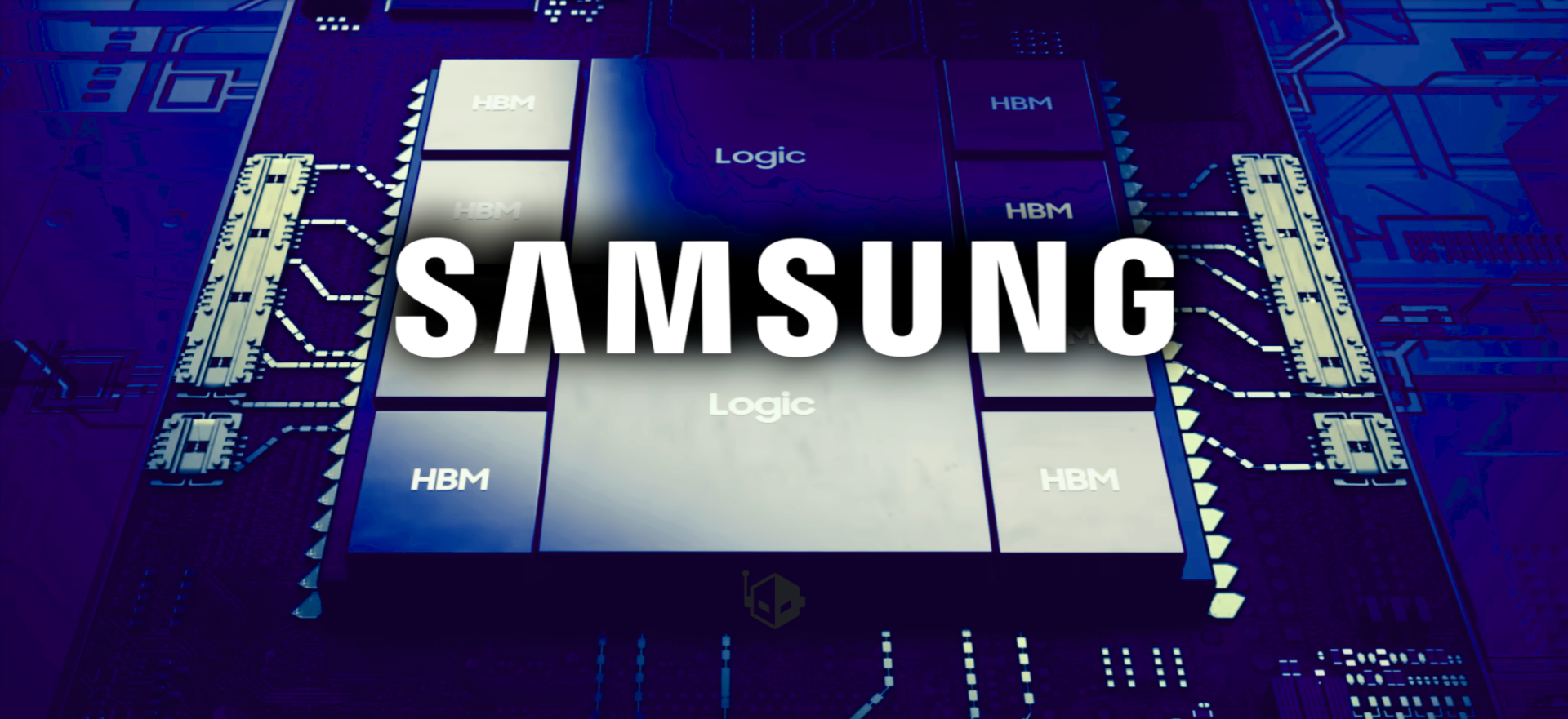
Samsung is not alone in facing yield challenges with advanced process nodes, but the scale of its operation—combined with HBM5E's strategic importance—makes this particular hurdle more visible. The company has invested heavily in its memory roadmap, recognizing that high-bandwidth solutions will be essential for handling the exponential growth in data demands.
Looking ahead, Samsung's next steps will determine whether it can stabilize production or if further adjustments are needed. If the D1d process cannot be optimized quickly, alternative approaches—such as refining existing HBM4 modules or exploring new memory architectures—may need to be considered. Meanwhile, competitors like SK Hynix and Micron continue to advance their own HBM roadmaps, creating additional pressure on Samsung to regain its leadership position.
The delay also underscores the increasing complexity of semiconductor manufacturing. As process nodes shrink, the margin for error narrows, and even industry leaders encounter unexpected obstacles. For consumers and enterprises alike, this means that the benefits of next-generation memory—faster AI processing, more efficient data centers, and ultimately lower costs—may take longer to materialize than originally anticipated.