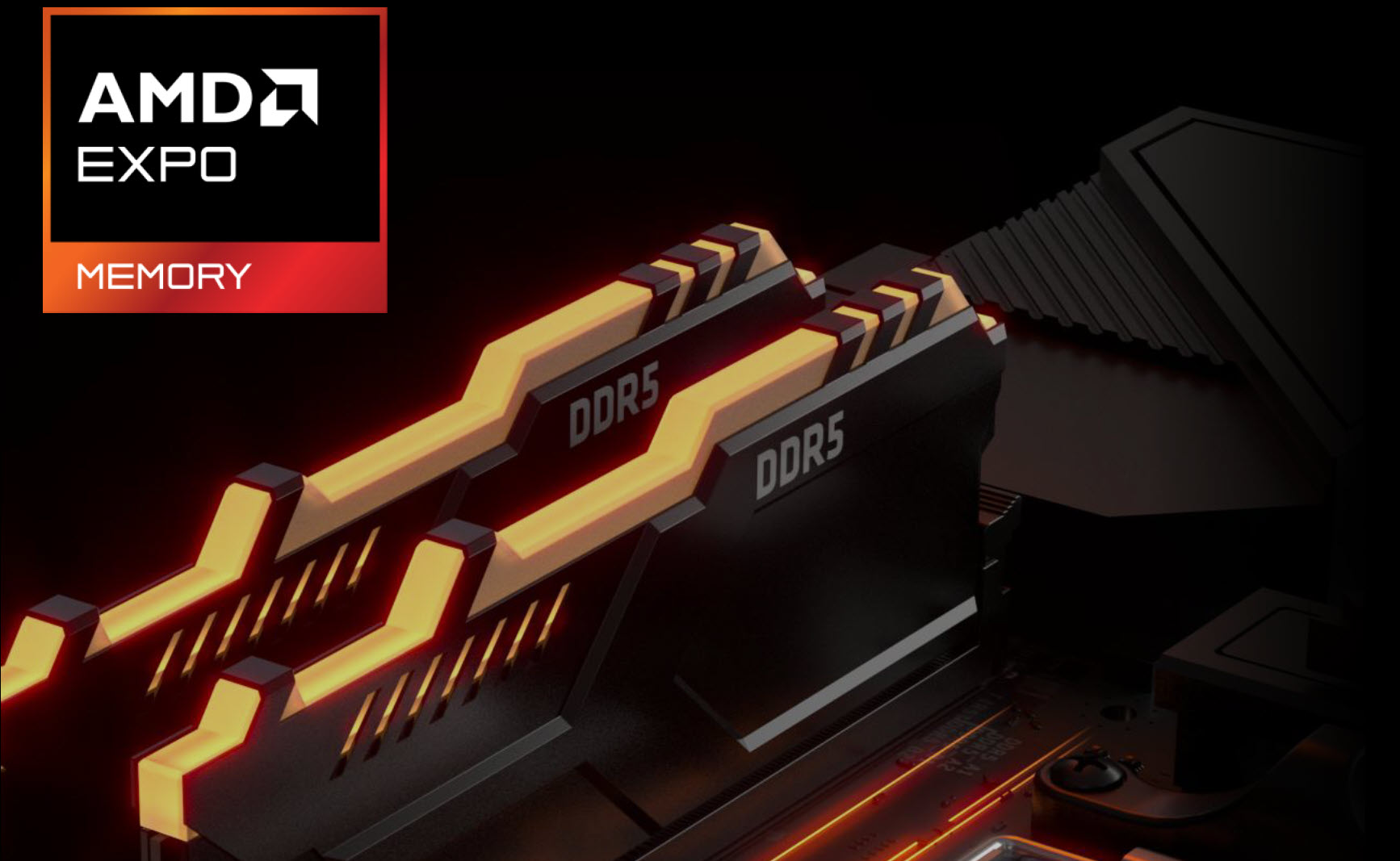
Creators and power users working on 600-series motherboards now have access to AMD EXPO Ultra Low Latency profiles, a feature previously exclusive to AM5-based systems. The move, announced by ASUS and MSI, ensures that DDR5 memory modules certified for ultra-low latency can be used across both socket types without sacrificing performance.
This compatibility update is significant because it eliminates the need for separate memory kits when building on 600-series platforms. Previously, users faced a choice: either settle for higher-latency DDR5 modules or invest in AM5-compatible hardware to unlock the full potential of EXPO-certified low-latency kits. The new support means that latency-sensitive workloads—such as high-performance computing, content creation, and overclocking—can now leverage sub-100ns latency on both socket types.
Key Details
- AMD EXPO Ultra Low Latency profiles now available on ASUS and MSI 600-series motherboards.
- Sub-100ns latency confirmed for compatible DDR5 memory modules.
- No separate memory kits required; existing EXPO-certified modules work across both socket types.
The update does not require hardware changes, meaning users can immediately benefit from the feature if their motherboard is part of the supported lineup. ASUS and MSI have confirmed that the profiles will be available through their respective software utilities, allowing for seamless integration with existing systems. However, it remains unclear whether other manufacturers will follow suit or if this will become a universal standard.
Performance Implications
The introduction of EXPO Ultra Low Latency to 600-series boards is a notable step forward for platform compatibility. For creators and enthusiasts, this means that the choice between socket types no longer carries a significant performance penalty in latency-sensitive applications. However, users should note that other factors—such as overclocking headroom, power delivery efficiency, and future-proofing—may still influence their hardware decisions.
The long-term impact of this update hinges on whether it becomes an industry-wide adoption. If more motherboard manufacturers adopt EXPO Ultra Low Latency support, the feature could set a new benchmark for DDR5 memory performance across all platforms. For now, ASUS and MSI have taken the lead, but the broader ecosystem’s response remains to be seen.
This development also raises questions about AMD’s roadmap for memory compatibility. While EXPO Ultra Low Latency is a step in the right direction, it does not address other potential gaps—such as differences in overclocking stability or thermal behavior between socket types. The focus on latency alone may leave room for further refinements in future updates.
Ultimately, the update is a positive move for users who prioritize low-latency performance but are constrained by their choice of motherboard platform. It demonstrates that compatibility and performance need not be mutually exclusive, though the full benefits will only materialize if the industry aligns around this standard.