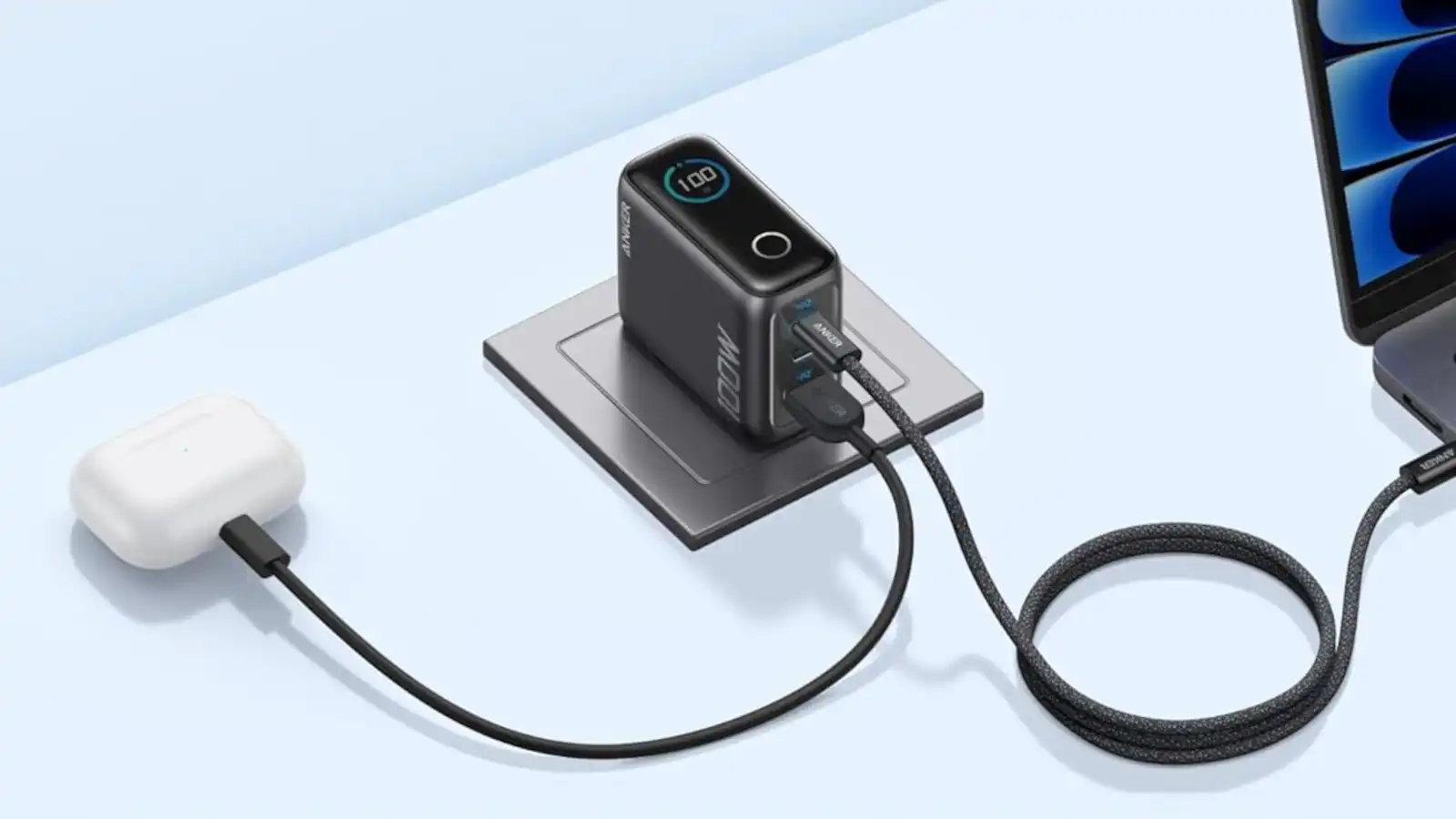
A $15 split USB-C cable has entered a market where high-performance multi-device charging is often reserved for premium accessories, challenging the notion that efficient power delivery must come with a steep price. The device splits a single 60W input into two 30W outputs, but its true potential lies in how it forces a conversation about industry-wide adoption of synchronized charging rather than just delivering incremental performance gains.
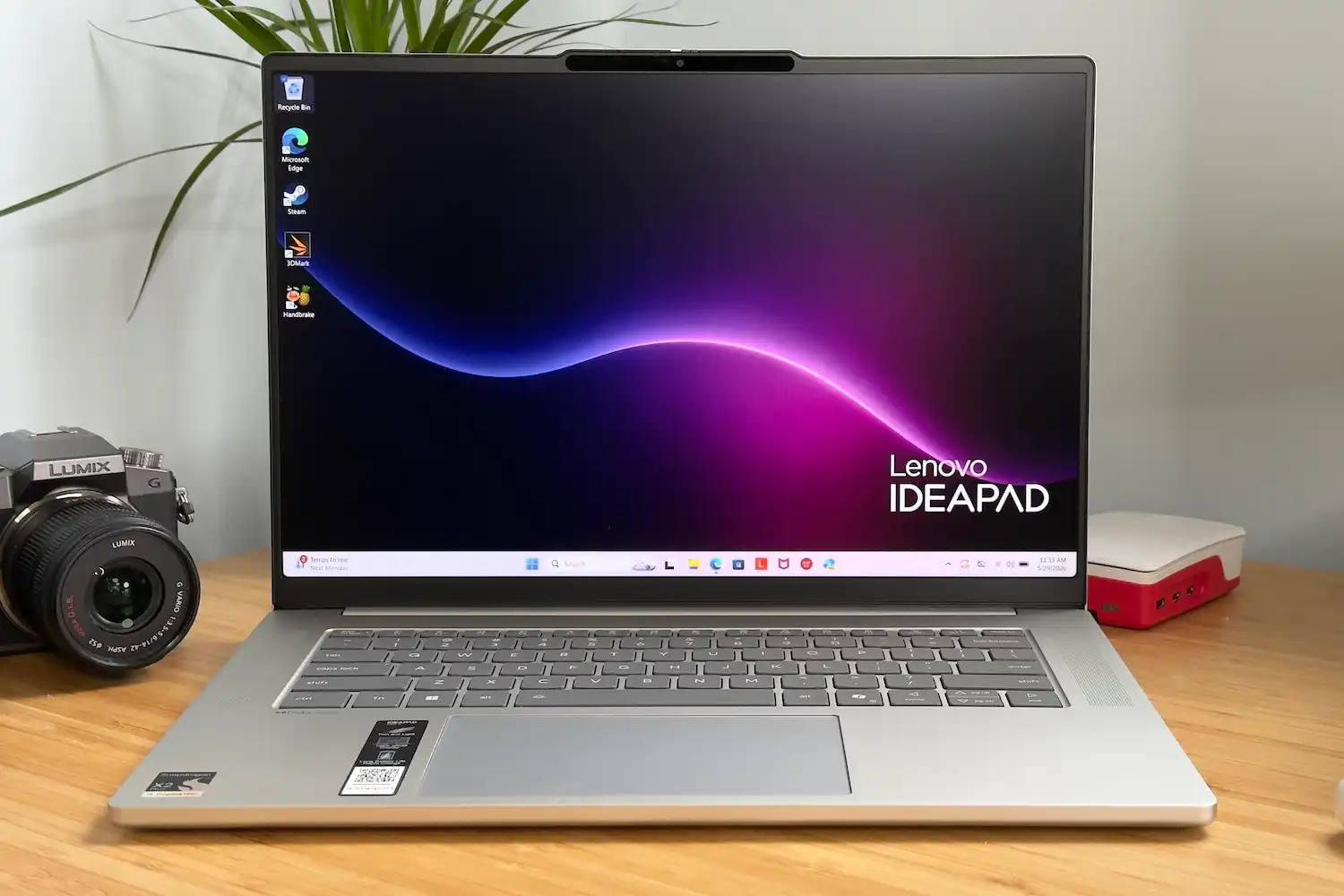
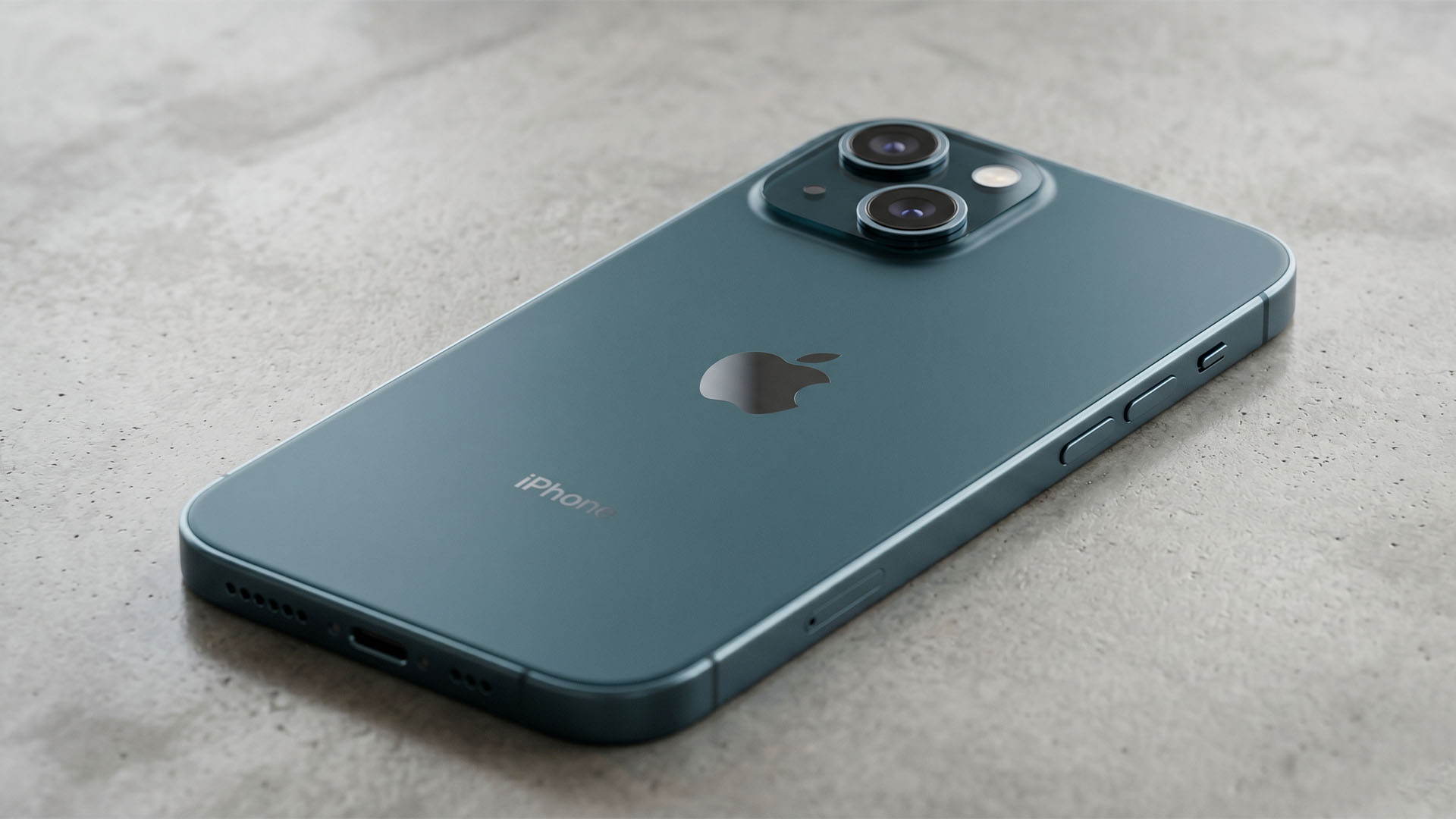
One assumption is that such cables will seamlessly charge laptops and phones side by side without compromise. In practice, however, the 30W split doesn’t always translate to full utilization. Many ultrabooks throttle power delivery below their maximum capacity due to thermal constraints, while smartphones often cap at 18W for safety reasons. The cable itself is lightweight—just over 4 ounces—and portable, but its effectiveness depends on how well it adapts to the inconsistencies of current hardware.
For PC builders and power users, the limitations become more pronounced. High-performance laptops, particularly those used for rendering or AI workloads, often require sustained power beyond 30W per port. A split cable in this context isn’t a solution but a workaround unless paired with a dynamic power bank that can adjust output based on demand. The bigger question is whether this cable will serve as a catalyst for standardized multi-device charging or if it will remain a specialized tool for those who prioritize portability over raw performance.

Compatibility remains a wildcard. While USB-C Power Delivery has become the dominant standard, not all devices negotiate power delivery identically. Some may default to lower wattages during charging, while others might reject split configurations altogether. The cable doesn’t resolve these issues—it exposes them, pushing both users and manufacturers toward a future where multi-device charging is no longer an exception but an expectation.
The $15 price point is aggressive in a market where similar products typically cost three times as much. It suggests that the barrier to entry for efficient dual-charging has dropped significantly, but its long-term success depends on how seamlessly it integrates into existing workflows. For now, it’s less about revolutionizing power delivery and more about proving that even minor innovations can have a lasting impact—if they’re designed with both practicality and scalability in mind.