The final days of January aren’t just delivering games—they’re delivering *statements*. Where one title forces players to confront the limits of human endurance against a sentient peak, another drops them into a 24-hour horror loop where the real threat isn’t the monsters but the monotony. By week’s end, a WWII carrier simulator will task players with commanding real historical battles, while a JRPG promises to rewrite the rules of time itself. The contrast is deliberate: survival, spectacle, and strategy, all vying for attention in a market that grows more crowded by the day.
What follows isn’t just a release roundup. It’s an examination of ambition—how far these games will stretch their mechanics, how deeply they’ll engage players, and whether their innovations will linger or fade into the background noise.
The Mountain That Strikes Back
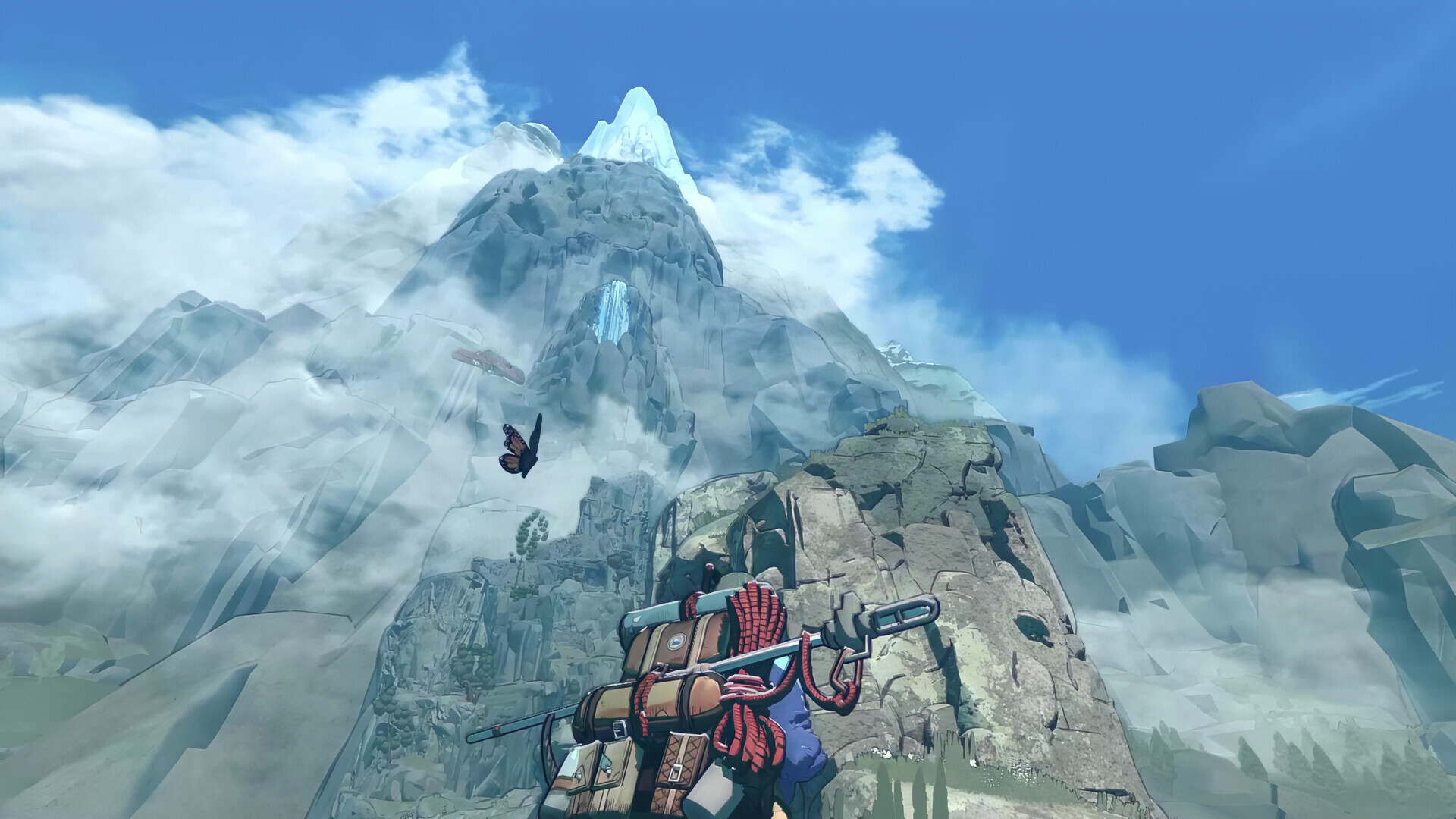
Cairn isn’t just a climbing game. It’s a test of will against an adversary that doesn’t yield terrain—it *shapes* it. Developed by the same team behind Furi and Haven, the game drops players onto Mount Kami, a vertical world where every ascent is a battle against oxygen depletion, shifting weather, and a landscape that seems to resist progress. The twist? The mountain isn’t passive. It adapts. Players who misjudge their piton placements or ignore the creeping darkness of night may find their footholds crumble—or worse, the rock itself shifting beneath them.
This isn’t survival for survival’s sake. It’s a puzzle where the environment is the opponent. The art style reinforces the tension: hand-painted textures that show wear, cracks propagating like veins of light, and a color palette that shifts from golden dawn to suffocating twilight. The game’s developers describe it as a fusion of Outer Wilds's exploratory depth and Mountain's unrelenting physical challenge, but with a narrative layer that makes failure a teacher, not just a setback.
- Release: January 29 (PC via Steam)
- Core mechanics: Dynamic resource management (oxygen, pitons, weather), procedural hazards, and a sentient-like landscape
- Art direction: Gritty, weathered textures with environmental degradation effects
- Target audience: Fans of methodical survival games with high replayability
What’s unanswered: Whether its niche appeal will translate to sustained player retention. Games like Haven thrived on word-of-mouth and patience, but Cairn’s high barrier to entry—both in skill and emotional investment—could limit its reach. The real question isn’t if it’s innovative. It’s if enough players will climb the mountain with it.
A Raid Shooter That Demands More Than Kills
Highguard arrives on January 26 with a bold premise: a PvP raid shooter where territory isn’t just contested—it’s *conquered*. Players take on the role of Wardens, arcane gunslingers who don’t just fight for dominance but for control of a mythical continent. The core loop is deceptively simple: teams battle to capture the Shieldbreaker, a relic said to hold the key to territorial supremacy. Once secured, the objective shifts to breaching enemy strongholds, a phase that blends extraction-style objectives with large-scale destruction—think Rainbow Six Siege meets Warframe’s crew-based raids.
The game’s art style leans into a high-contrast, almost comic-book aesthetic, with Wardens wielding weapons that glow with arcane energy. It’s a visual language designed to stand out in a genre that’s grown increasingly serious, but whether it strikes the right balance between accessibility and depth remains to be seen. Raid shooters often struggle to attract solo players, and Highguard’s crew-based structure could further narrow its audience. Yet, if it delivers on its promise of high-stakes teamwork and a living continent that evolves with player actions, it might carve out a dedicated niche.
- Release: January 26 (PC via Steam)
- Gameplay: Crew-based raids, artifact capture (Shieldbreaker), base destruction mechanics
- Art style: Stylized, high-contrast with glowing arcane effects
- Comparables: Warframe, Destiny 2, Rainbow Six Siege
What’s unclear: How its hybrid of raid and extraction mechanics will perform in competitive play. Many PvP titles fail because they either overcomplicate objectives or lack the fluidity of more established shooters. Highguard’s success may hinge on whether it can make territory control feel as dynamic as the gunplay.
Commanding History: A WWII Carrier Simulator with Unprecedented Realism
For those who prefer their strategy grounded in historical weight, Task Force Admiral - Vol.1: American Carrier Battles drops on January 27, offering a first-person or third-person perspective on the Pacific War’s most pivotal carrier engagements. Developed by a team with a background in military simulations, the game tasks players with commanding real historical battles—from the Battle of Midway to the Philippines Campaign—using reconstructed tactics, ship schematics, and even original voice recordings of naval officers.
The depth doesn’t stop at presentation. Players can switch between roles—commanding aircraft carriers, coordinating fighter squadrons, or even managing damage control in real-time. The goal isn’t just to win battles but to understand how they were fought, with a focus on the chaos of mid-20th-century warfare. The art style is deliberately utilitarian: no stylized effects, just the grit of war—smoke, fire, and the cold precision of radio communications.
- Release: January 27 (PC via Steam)
- Gameplay: First-person/third-person carrier battle simulation with role-switching mechanics
- Historical focus: Reconstructed WWII Pacific Theater battles (Midway, Philippines Campaign, etc.)
- Unique features: Damage control systems, original voice recordings, tactical briefings
- Art style: Grounded, utilitarian—no stylization, emphasis on realism
What’s still unknown: How it will balance accessibility with complexity. Military simulations often struggle to attract casual players, and Task Force Admiral’s steep learning curve could limit its audience. Yet, if it succeeds in making history feel immediate, it may redefine the genre.
The Convenience Store That Never Sleeps
The premise is simple: players must keep the store running, stocking shelves, handling transactions, and dealing with the occasional strange request—until they realize the store’s patrons aren’t just customers. They’re something else. The art style is deliberately mundane: fluorescent lights, peeling linoleum, and the sterile glow of a vending machine, all designed to make the supernatural feel even more unsettling by contrast.
- Release: January 30 (PC via Steam)
- Gameplay: Resource management (inventory, cash, customer interactions) with survival horror elements
- Setting: 24-hour convenience store with supernatural twists
- Art style: Gritty, low-budget realism with eerie contrasts
- Comparables: Darkwood, Signalis, Don’t Starve
What’s unanswered: Whether its slow-burn horror will hold attention in an era of fast-paced games. Many atmospheric horror titles struggle to retain players past the initial intrigue. Night Shift’s success may depend on whether it can make the mundane feel as terrifying as the supernatural.
A JRPG That Bends Time Itself
Closing out the week is Chronosphere, a JRPG that promises to redefine the genre by making time a playable mechanic. Players control a group of time-traveling agents who must navigate a world where past, present, and future collide, with choices that ripple across eras. The twist? The game’s narrative isn’t linear—it’s a branching timeline where every decision creates new paths, and the party members themselves can shift between time periods.
The art style is a fusion of modern and retro influences, with a color palette that shifts to reflect the era being played. Combat is described as a blend of turn-based and real-time elements, allowing for tactical depth without sacrificing accessibility. The game’s developers claim it’s designed to appeal to both long-time JRPG fans and newcomers, but whether it can avoid the pitfalls of overcomplicating its mechanics remains to be seen.
- Release: January 31 (PC via Steam)
- Gameplay: Time-bending JRPG with branching timelines and era-shifting mechanics
- Art style: Hybrid modern/retro with dynamic color shifts
- Combat: Turn-based with real-time tactical options
- Target audience: Fans of narrative-driven RPGs with experimental mechanics
What’s still speculative: How its time mechanics will translate in practice. Many games with similar premises struggle to make their gimmicks feel intuitive. Chronosphere’s challenge will be proving that bending time isn’t just a cool idea—it’s a compelling way to tell a story.
This week’s releases share one thing in common: they’re all betting on innovation to stand out. But innovation isn’t enough. It takes execution, timing, and—above all—a deep understanding of what players actually want. Some will deliver. Others may fade into the noise. What’s certain is that the games arriving this week aren’t just products. They’re experiments—and the results will tell us a lot about where the industry is headed.