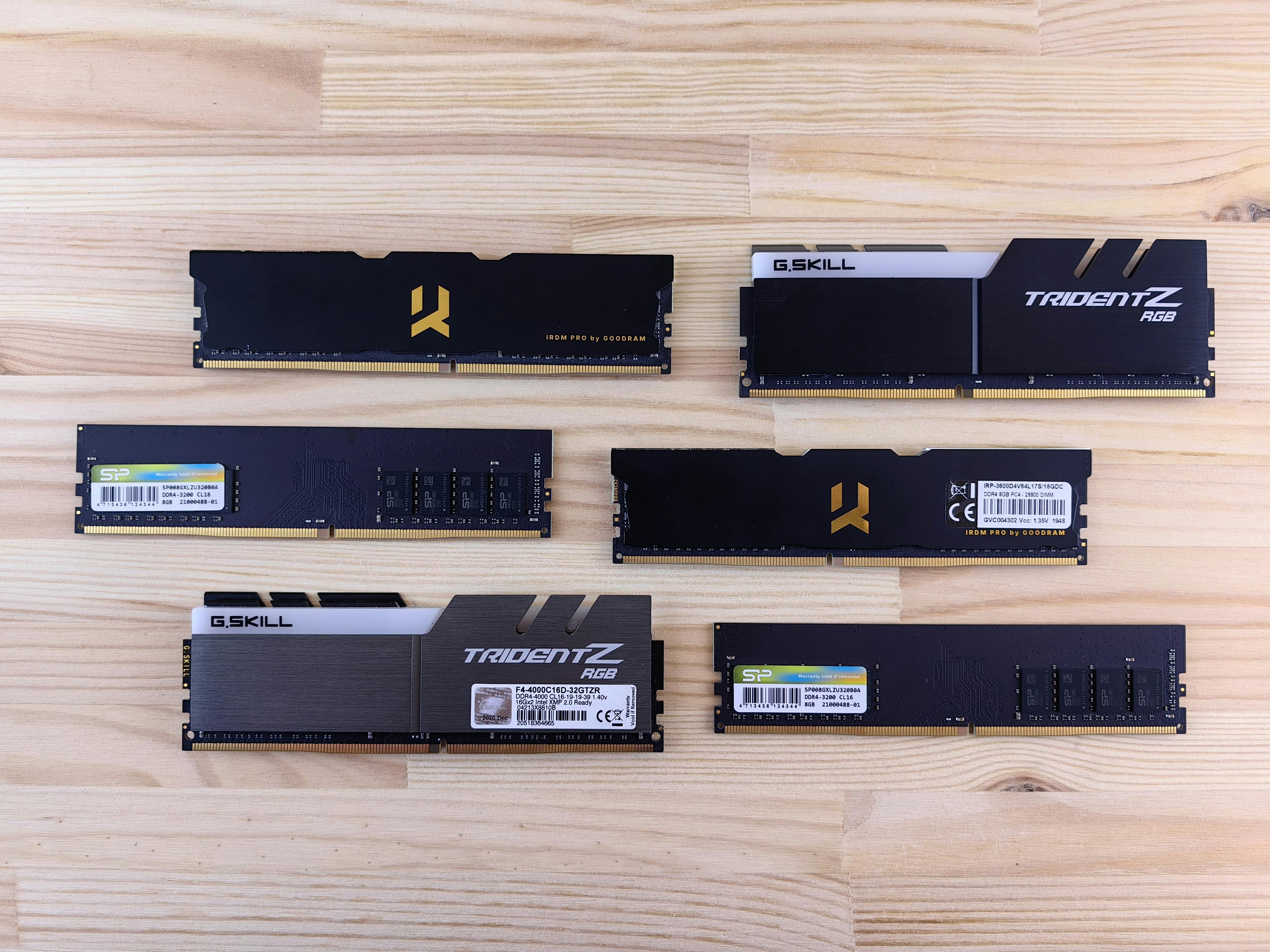
For decades, prebuilt PCs have promised simplicity: unbox, plug in, and play. But a growing number of vendors are now flipping that model on its head by shipping systems without RAM—leaving customers to provide their own memory. The trend, now adopted by brands like Paradox Customs and Maingear, reflects a brutal reality: RAM prices have climbed so steeply that prebuilders can no longer absorb the cost without passing it to consumers.
The move isn’t mandatory, but it’s a clear signal of how desperate the market has become. Buyers can still opt for a fully configured system, but those willing to take on the task of sourcing and installing their own memory could save hundreds—if they can find compatible sticks at all.
Yet for every potential cost benefit, new risks emerge. What happens if the RAM you choose isn’t fully compatible? Will a warranty still cover issues if the system crashes due to unstable memory settings? And who’s responsible if you damage the motherboard during installation? These aren’t hypothetical concerns—they’re the kinds of complications that could turn a budget-friendly purchase into a technical nightmare.
A Shift in Strategy
The decision to offer RAM-less prebuilts isn’t just about cutting costs—it’s a response to a market in turmoil. Over the past year, RAM prices have surged due to supply constraints, forcing some retailers to discontinue standalone sales entirely. Vendors like Paradox Customs are now using this approach to keep their systems competitive, but the trade-off is clear: convenience for complexity.
For experienced builders, the flexibility could be a boon. Those with existing RAM stockpiles or the knowledge to fine-tune memory settings might see this as an opportunity to save. But for the average user, the shift introduces an extra layer of uncertainty. Installing RAM is straightforward, but optimizing it for performance—especially in systems with tight timings or overclocking—can be far trickier. A misstep could lead to crashes, instability, or even hardware damage.
The Fine Print: Warranties and Responsibility
Here’s where things get murky. If you install RAM yourself and something goes wrong—whether it’s a compatibility issue or a botched installation—will the manufacturer still honor the warranty? Paradox Customs hasn’t publicly outlined a clear policy, leaving buyers in limbo. What if the system fails a year later because of an unstable memory configuration? Will the vendor blame the user’s choice of RAM, or will they step in to fix the problem?
These questions don’t have easy answers. Traditional prebuilts eliminate such concerns by ensuring everything is pre-tested and compatible. But in a market where RAM is increasingly scarce and expensive, the old model may no longer be sustainable.
Who Stands to Gain?
The 'BYO RAM' trend isn’t just about saving money—it’s about control. Power users who already own compatible memory or have the expertise to configure it might see this as a smart move. For them, the savings could outweigh the risks. But for casual buyers, the experiment could backfire if they end up with incompatible hardware or void their warranty through a simple installation error.
There’s also the question of availability. If you buy a RAM-less system today, will you still be able to find matching memory in six months? With supply chains still strained, there’s no guarantee. And if you’re left without an option, you might end up paying even more to source RAM from third-party sellers.
Key Specs: The New Prebuilt Reality
While the hardware itself remains unchanged in these RAM-less systems, the real difference lies in what’s not included. Here’s what buyers need to consider
- No included RAM: Systems ship without memory, forcing users to provide their own DDR5 sticks (typically 3200MHz–6000MHz, depending on the build).
- Potential savings: Removing RAM from the base price can drop system costs by $100–$300, depending on the configuration.
- Compatibility risks: Not all RAM is created equal. Some kits may not be fully compatible with the motherboard, leading to performance issues or instability.
- Warranty uncertainty: Damage from improper installation or incompatible RAM could void coverage, though policies vary by vendor.
- Installation complexity: While physically inserting RAM is simple, tuning for optimal performance—especially in overclocked systems—requires technical know-how.
The shift to RAM-less prebuilts is a double-edged sword. On one hand, it offers a lifeline for buyers drowning in rising prices. On the other, it introduces a level of uncertainty that traditional prebuilts were designed to avoid. For now, the trend appears to be a stopgap measure—one that may force the industry to reckon with how it builds and sells PCs in an era of skyrocketing component costs.