A mini PC that packs 32 GB of DDR5 memory into a form factor smaller than most ultrabooks is now available at $409, but its engineering reveals more than just raw performance—it signals a potential shift in how compact devices balance power and efficiency.
The device, powered by Intel’s Core Ultra 7 processor with a 120 W TDP, defies conventional mini PC expectations. Most ultrabooks operate under 35 W, yet this system matches the thermal output of mid-range desktops while maintaining a footprint comparable to a slim laptop. The result is a machine capable of handling memory-intensive tasks—such as rendering or multitasking with large datasets—but one that pushes the boundaries of what’s practical in a portable form.
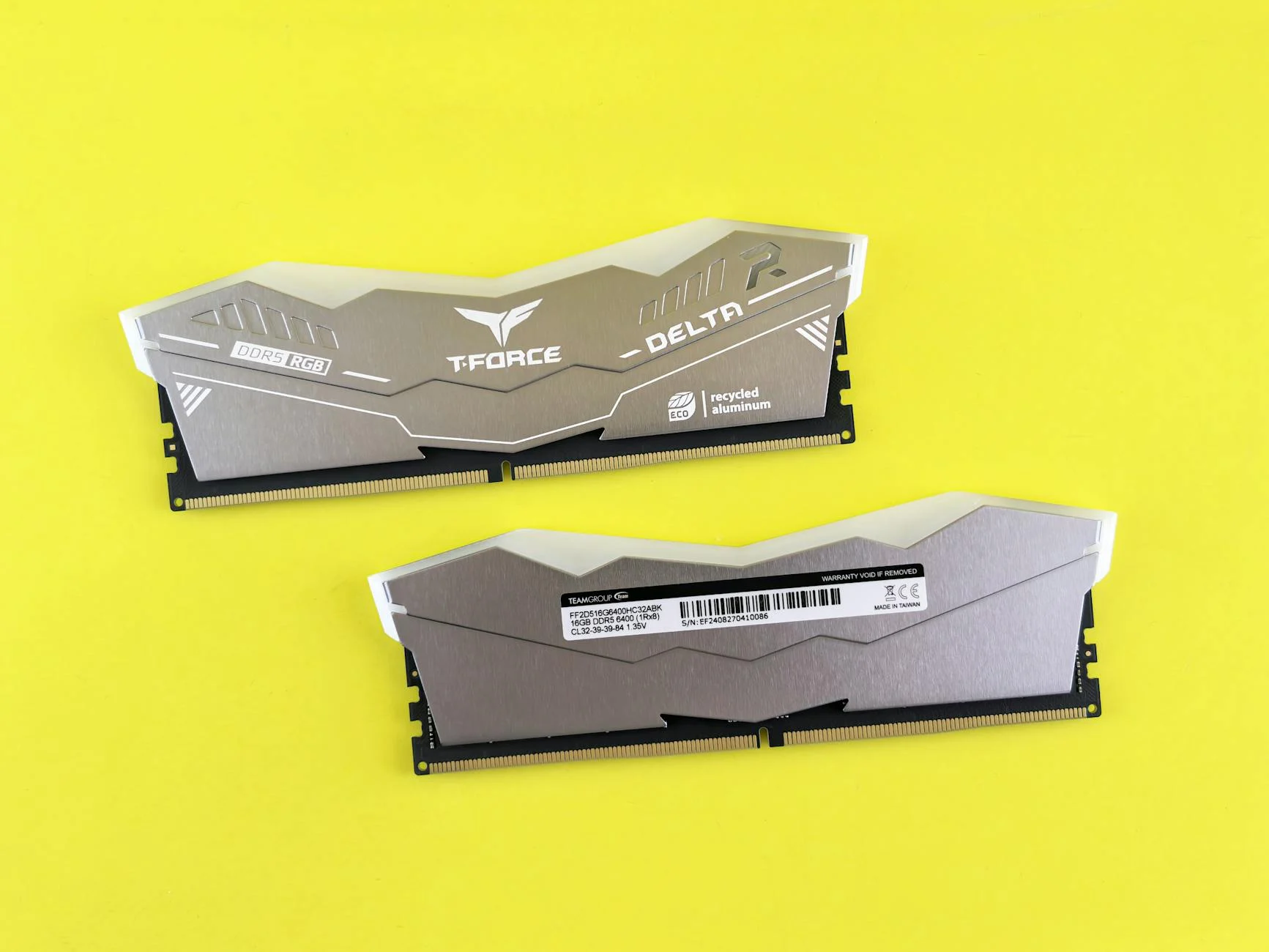
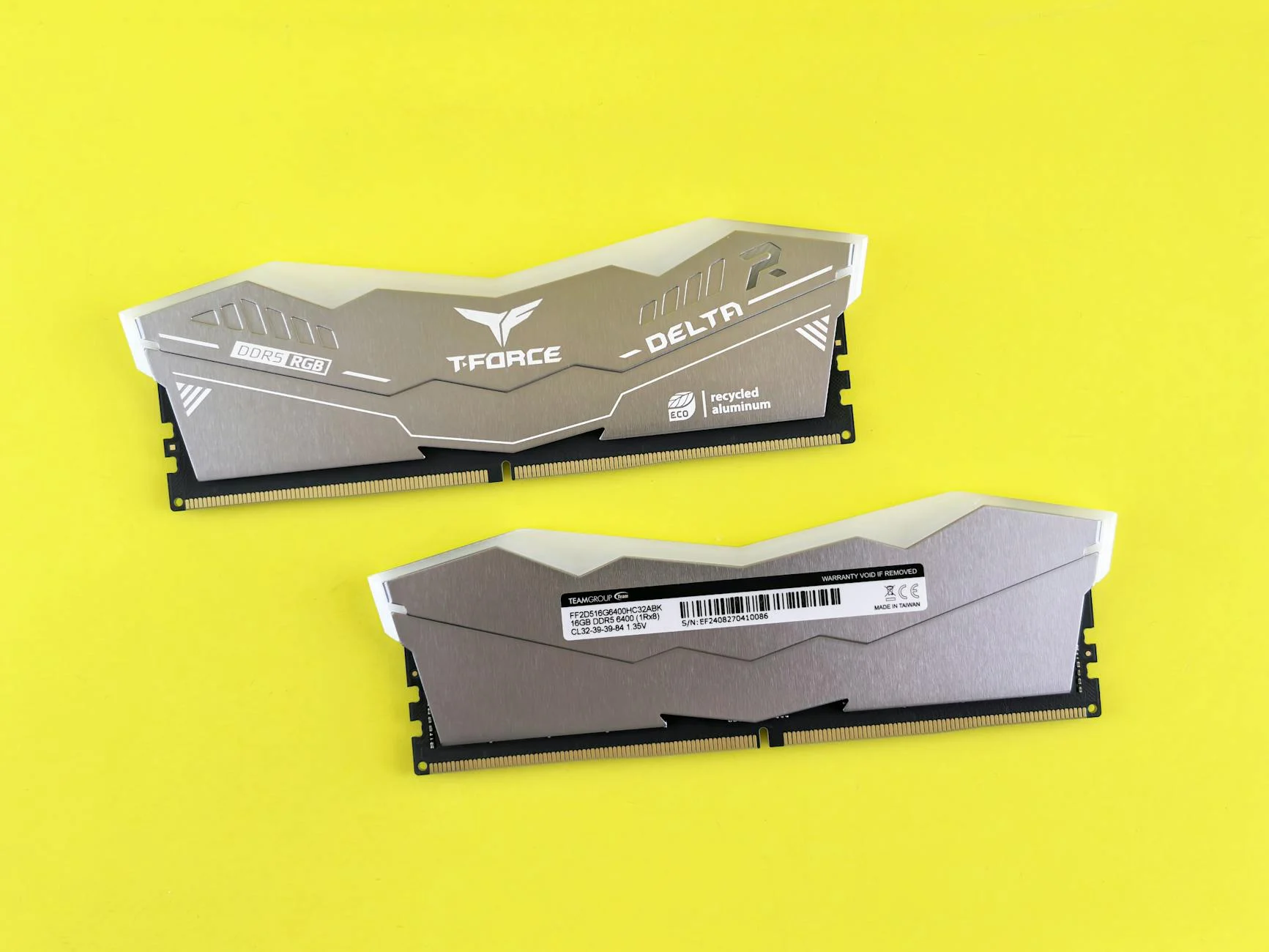
DDR5 memory, though standard in high-end systems, becomes particularly notable here due to its volume and configuration. The 32 GB setup likely consists of two single-rank modules, each built around 16 GB chips running at 4800 MHz. This dual-channel arrangement ensures stability under sustained loads but also means the system consumes significantly more power than typical ultrabooks, even when idle.
Thermal management presents another layer of complexity. The chassis, measuring approximately 125 mm by 90 mm, must dissipate heat not just from the CPU and GPU cores but also from the memory modules themselves. While active cooling—such as dual fans or vapor chambers—is almost certainly in use, the compact design restricts airflow. Users may observe slightly elevated temperatures during prolonged workloads, though Intel’s 12th-gen P-cores are engineered to mitigate throttling.
Despite these tradeoffs, the mini PC’s existence hints at broader trends in computing. Future generations of Ultra processors could improve power efficiency enough to make similar configurations more viable without sacrificing performance. For now, however, its $409 price and 120 W TDP position it as a niche device—one that may appeal to professionals who prioritize capability over portability.
The most significant implication of this design isn’t just the presence of 32 GB RAM in a small package. It’s the suggestion that compact devices are evolving beyond their traditional role, embracing more powerful architectures while still fitting within limited space. Whether this shift will extend to mainstream use cases remains an open question, but it’s a direction worth observing closely.