The next PlayStation console may not be what gamers expect. While previous generations have focused on pushing hardware limits, industry analysts now predict a more compact, thermally efficient design that prioritizes performance-per-watt over brute-force specifications. This shift could redefine the gaming experience, particularly for those who value efficiency and streaming capabilities over raw power.
For enthusiasts, this means a console that runs cooler and quieter but may not deliver the same level of graphical fidelity as current high-end systems. For everyday users, it signals a potential move toward more accessible, stream-friendly gaming setups—though at the cost of traditional platform lock-in.
A Console Built for Efficiency
Traditionally, console wars have been won by who can throw the most transistors and clock cycles at the problem. But analysts suggest the next PlayStation could take a different approach, focusing on thermal design and power efficiency. This isn’t just about saving energy; it’s about rethinking how consoles are built for a world where streaming and cloud gaming are becoming more dominant.
- Thermal constraints: A smaller form factor with better heat dissipation, likely using advanced cooling solutions like vapor chambers or liquid cooling.
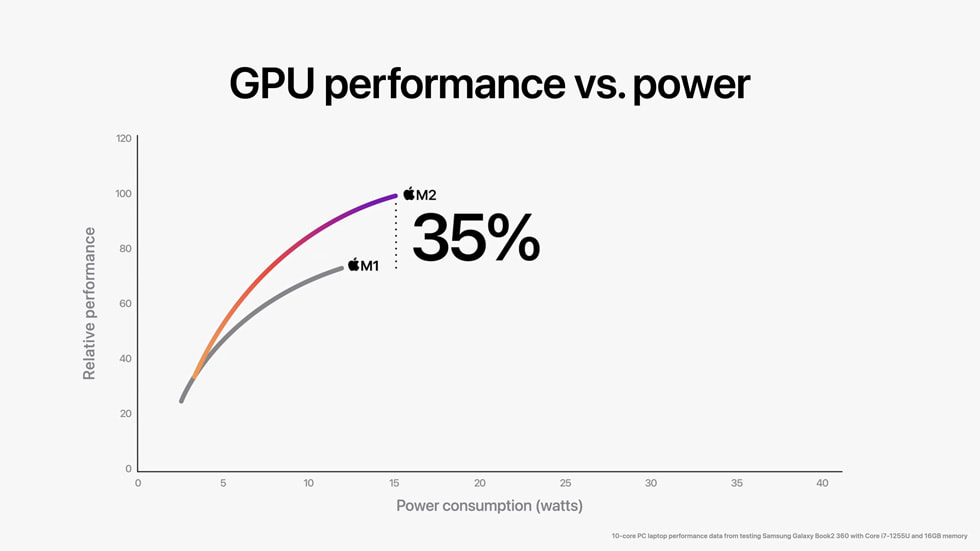
- Performance-per-watt: Optimized hardware that delivers strong performance without the power draw of current-generation consoles.
- Streaming-friendly: A design that prioritizes low-latency streaming and cloud connectivity, potentially reducing the need for local storage.
The console is rumored to feature a custom CPU with up to 12 cores, paired with a GPU that could push 4K resolution at high frame rates. However, the focus on efficiency means it may not match the raw power of current high-end PCs or consoles in traditional benchmarks.
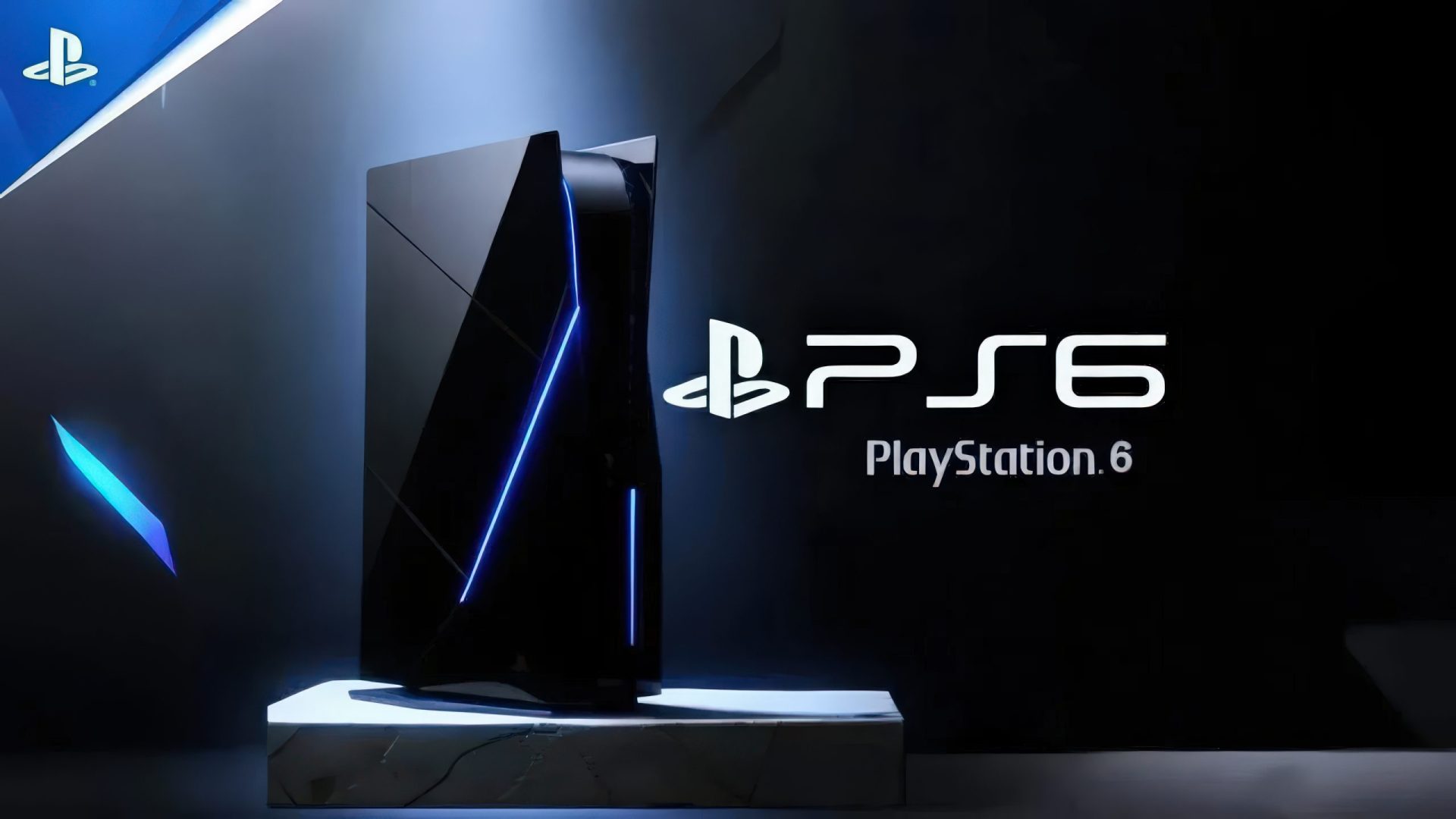
Who Benefits?
For gamers who prioritize streaming and cloud gaming, this could be a game-changer. A smaller, quieter console that runs cooler would fit better into living spaces and reduce energy costs. But enthusiasts looking for the absolute best graphical performance may find this generation underwhelming.
The shift also raises questions about platform lock-in. If the next PlayStation leans heavily into streaming, will it still feel like a true gaming platform, or will it become more of an access point to cloud-based games? The answer could shape the future of console gaming.
A Reflective Look
This potential direction for the next PlayStation reflects broader industry trends. As cloud gaming grows, consoles may need to adapt—not just in hardware, but in how they position themselves in the market. For now, gamers should prepare for a console that’s smaller, more efficient, and possibly less powerful than what we’ve seen before. Those who value streaming and accessibility will likely benefit the most, while traditionalists may find this generation harder to love.