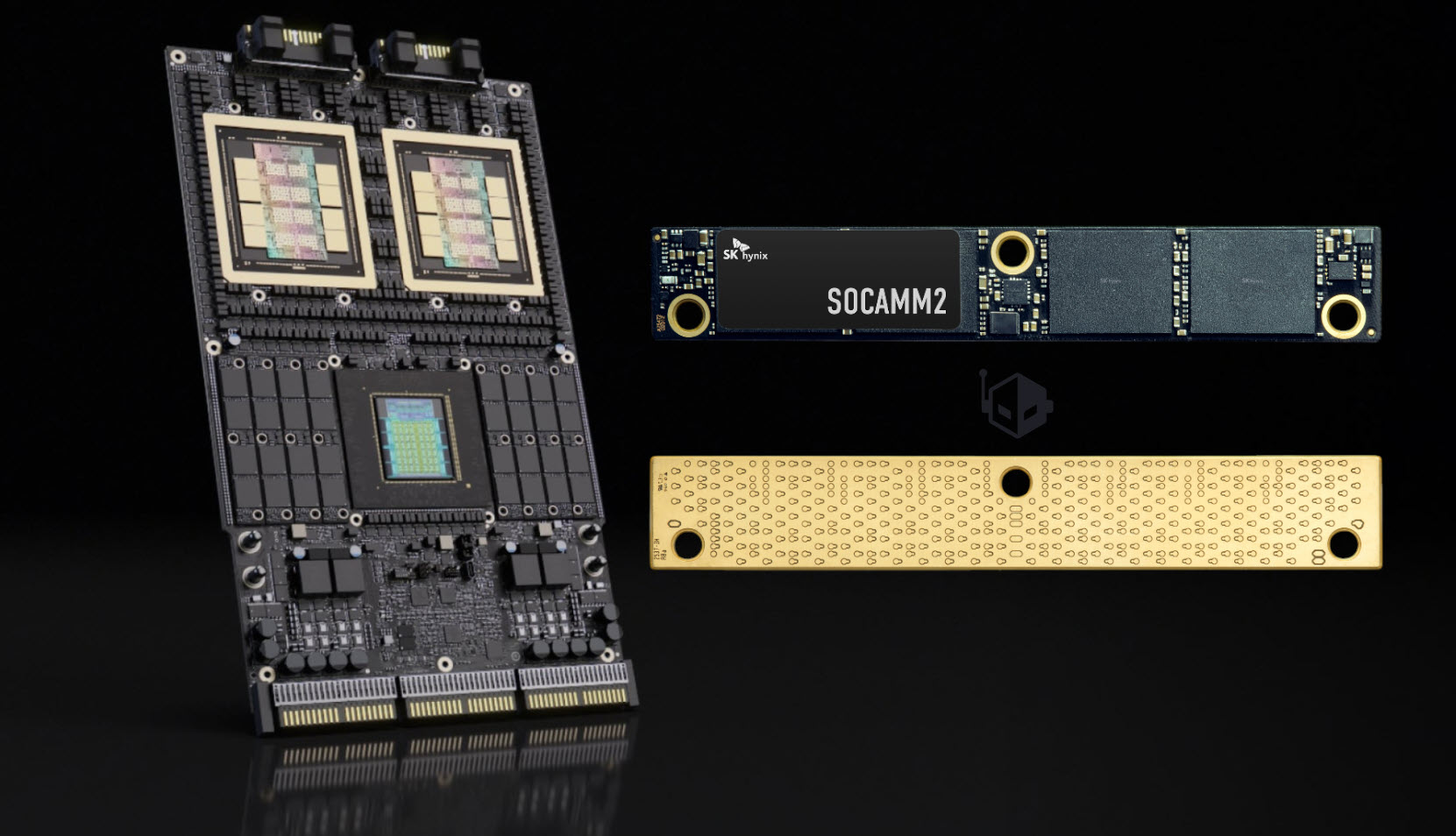
manufacturers are facing a dual crisis that threatens to reshape the 2026 market: a sudden spike in memory prices—already up over 80% quarter-over-quarter—and an unexpected CPU supply crunch. The result? Global notebook shipments are projected to plunge by **14.8% in the first quarter alone**, marking one of the steepest declines in recent memory. The fallout isn’t just about production delays; it’s forcing brands to rethink pricing, inventory strategies, and even the long-term viability of high-end features like AI acceleration and cutting-edge connectivity.
The pressure started late last year, when DRAM and SSD costs surged due to aggressive shipments clearing out inventories. But the real blow came with Intel’s decision to raise prices on lower-end CPUs—components that typically account for **15–30% of a notebook’s total bill of materials (BOM)**. Supply constraints for these chips are expected to linger past March, leaving brands scrambling to adjust orders and timelines.
Memory isn’t the only casualty. The cost of PCBs, batteries, and power management ICs (PMICs) has also climbed, driven by everything from copper shortages to the growing complexity of motherboards. Mid-to-high-end laptops, in particular, are feeling the pinch as manufacturers add more layers to accommodate features like AI co-processors and next-gen connectivity. Even standards like **Wi-Fi 7** and **USB4**—once seen as premium upgrades—are now adding incremental costs that brands can ill afford in a market already squeezed by thin margins.
The Domino Effect: How Component Costs Are Reshaping Laptops
For consumers, the immediate impact may not be obvious. Most brands are still optimistic about meeting demand, but the underlying challenges could lead to higher prices, delayed launches, or even a shift away from high-performance configurations. Here’s how the crunch is playing out across key components
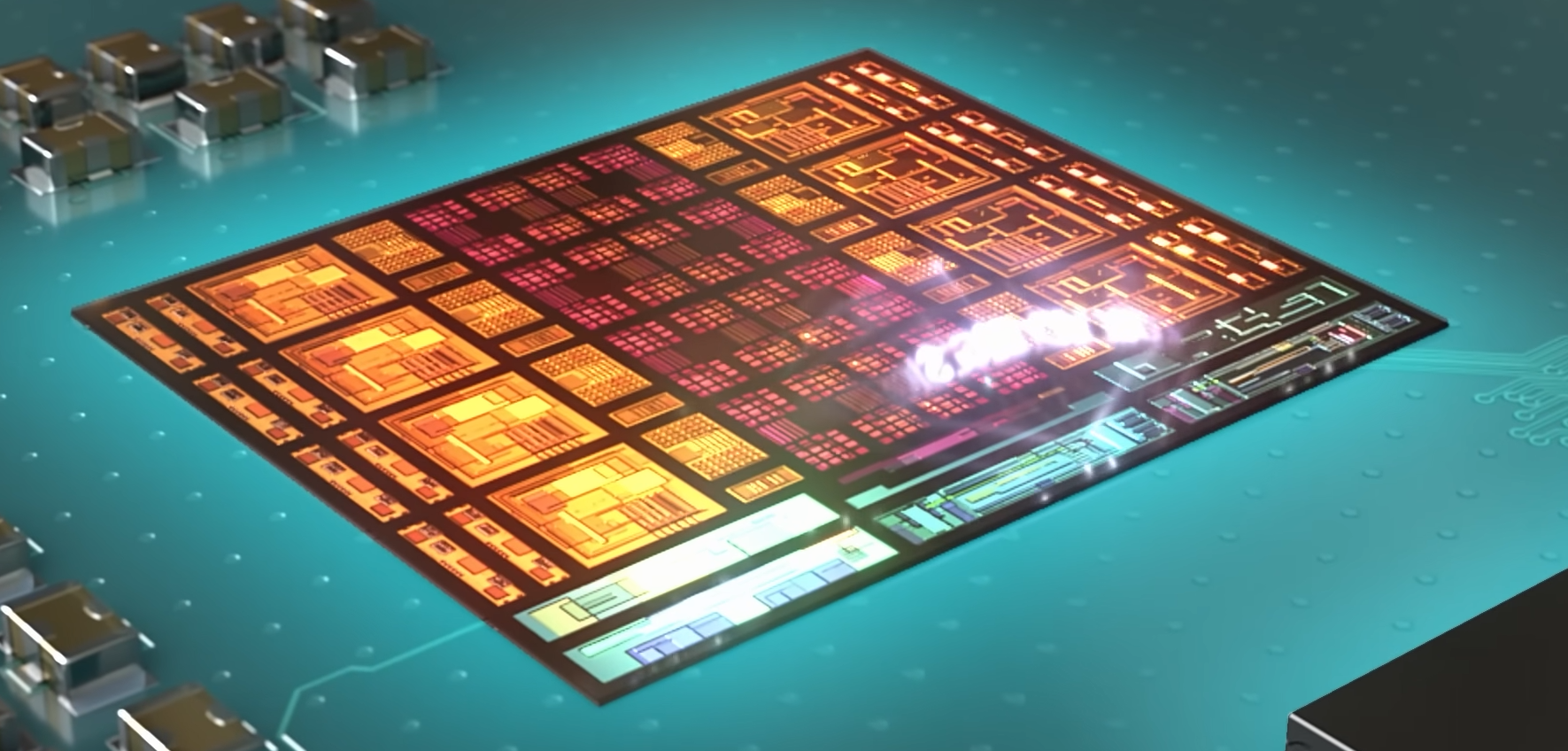
- CPUs: Intel’s lower-end processors—staples in entry-level and mainstream laptops—are seeing price hikes and supply tightness. The shortage is expected to ease by mid-year, but brands are already adjusting production schedules.
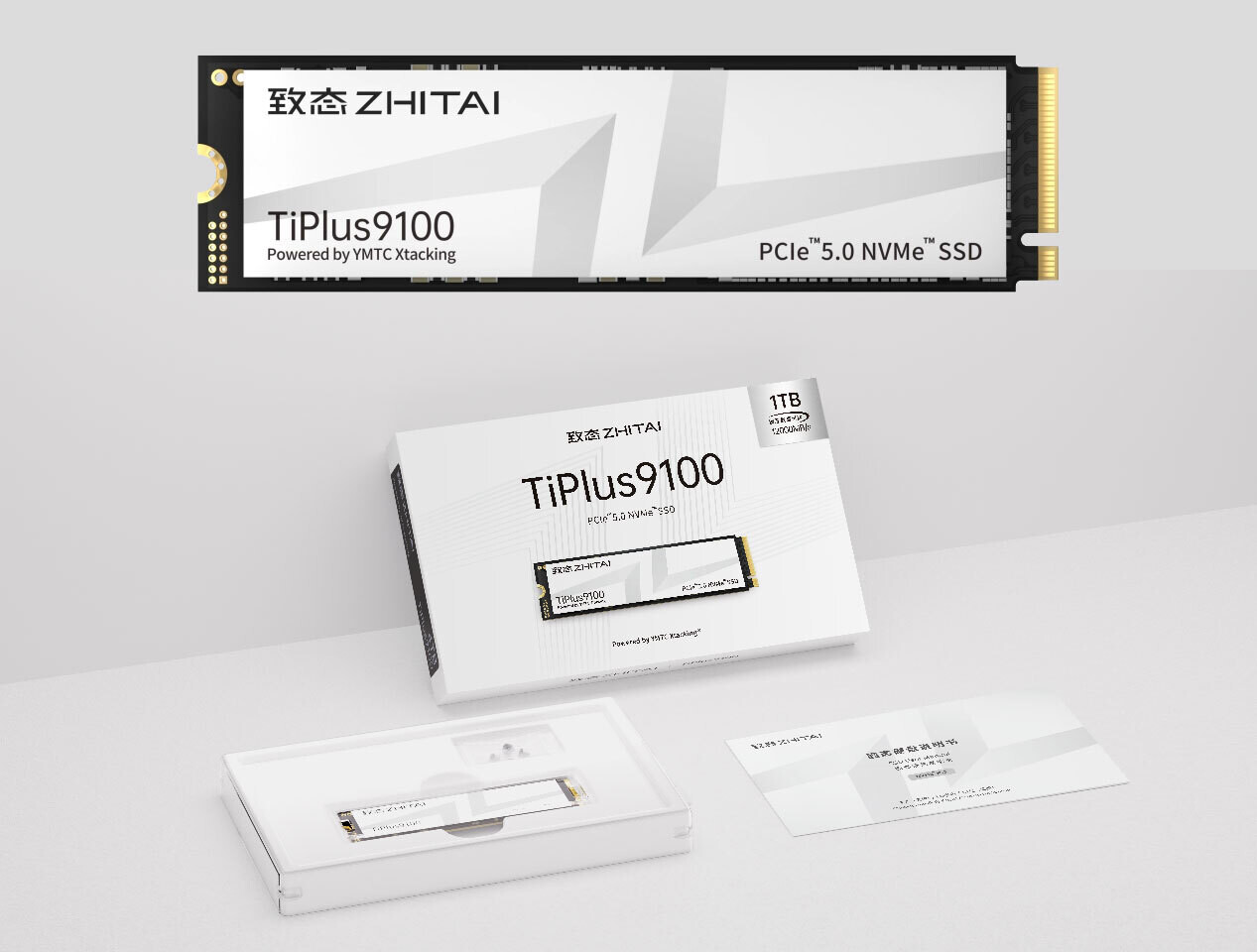
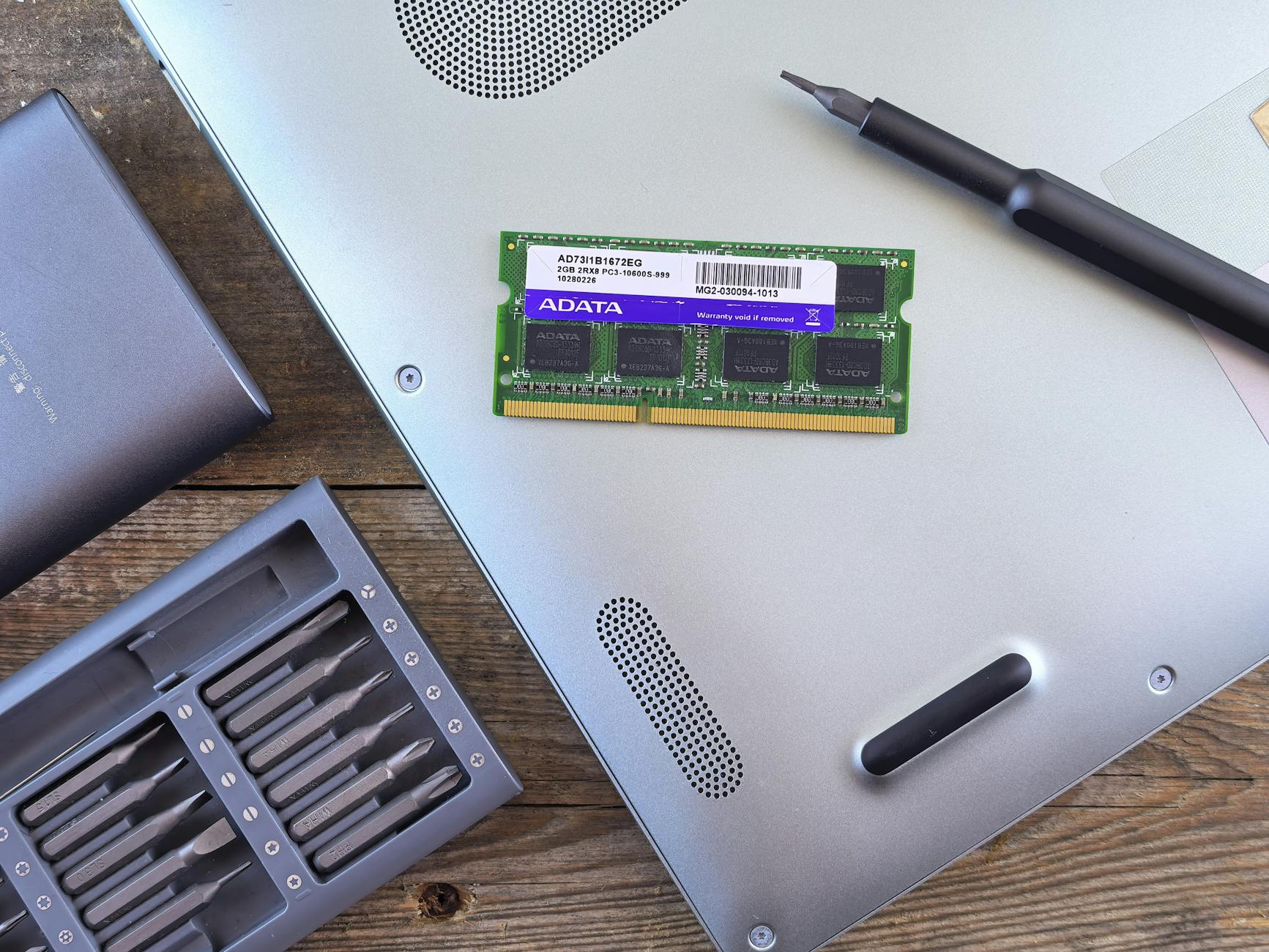
- Memory (DRAM/SSDs): Contract prices for notebook DRAM are up over **80% quarter-over-quarter**, while SSDs have jumped **70%**. Inventory depletion from late-2025 shipments has left manufacturers with limited buffer stocks.
- PCBs: Rising copper costs and increased layer counts (to support AI and connectivity features) are driving up motherboard expenses. This trend is structural, not temporary.
- Batteries: Lithium material costs and higher power demands from CPUs and NPUs are increasing per-unit battery prices, further tightening margins.
- Connectivity: Adoption of **Wi-Fi 7** and **USB4** is adding cost to associated chips and connectors, though the impact is smaller than for memory or CPUs individually.
The combined effect is a perfect storm for manufacturers operating on slim profit margins. While some brands may absorb the costs to avoid alienating consumers, others could pass increases along—or worse, scale back on high-end models until supply stabilizes.
What’s Next? A Glimmer of Recovery—But Challenges Remain
TrendForce expects a mild rebound in **2Q26**, as Intel’s CPU supply improves and memory prices begin to stabilize. However, the full-year outlook has darkened: the firm now forecasts a **9.4% year-over-year decline** in notebook shipments for 2026, down from an earlier projection of just **5.4%**. The uncertainty hinges on several factors
- How quickly CPU and memory supplies normalize.
- Whether brands can adjust pricing without losing market share.
- Consumer tolerance for higher laptop costs in a cooling tech economy.
- Inventory levels and how aggressively manufacturers restock.
For now, the industry is bracing for a first quarter of disrupted timelines and higher costs. The silver lining? If supply chains smooth out by mid-year, we could see a return to more predictable production—but the damage to 2026’s shipment targets is already done.
One thing is clear: the laptop market is at a crossroads. The components that once drove innovation—from AI acceleration to next-gen connectivity—are now becoming liabilities. Brands that navigate this storm will determine not just their quarterly results, but the trajectory of the entire industry in 2026.