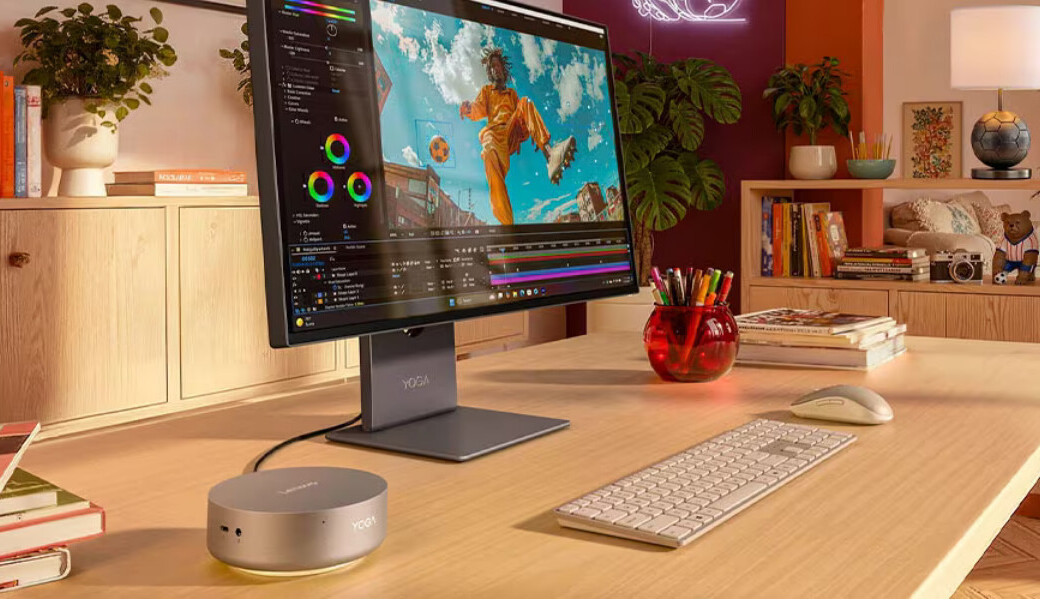
The Lenovo Yoga Mini i is redefining what it means to be a compact device. It packs an Intel Core Ultra X7 processor, up to 32 GB of LPDDR5x RAM, and the Arc B390 GPU—complete with its 144 MB eDRAM cache—into a chassis smaller than most standard laptops. For power users, this isn't just about raw performance; it's about reimagining what a portable device can achieve when optimized for both speed and efficiency.
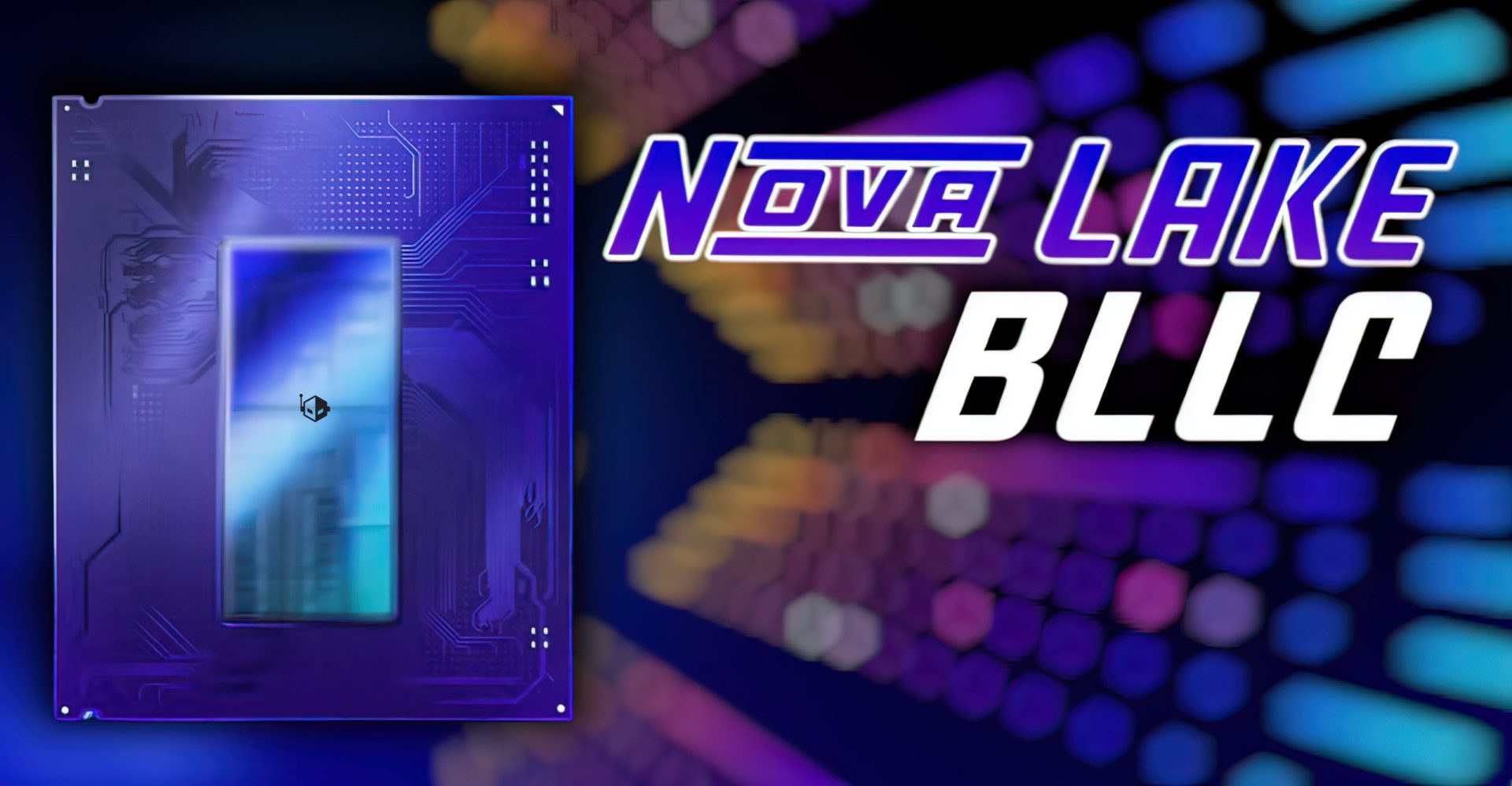
The Arc B390 is the centerpiece of this machine. Intel's eDRAM cache isn't just a marketing trick; in benchmarks, it provides a significant boost to workloads like video rendering and AI model training, where memory bandwidth is critical. Combined with 50 TOPS of NPU performance, the Yoga Mini i can handle demanding AI tasks effortlessly—whether it's real-time image segmentation or running local large language models for development.
Advanced Features: The Settings That Matter
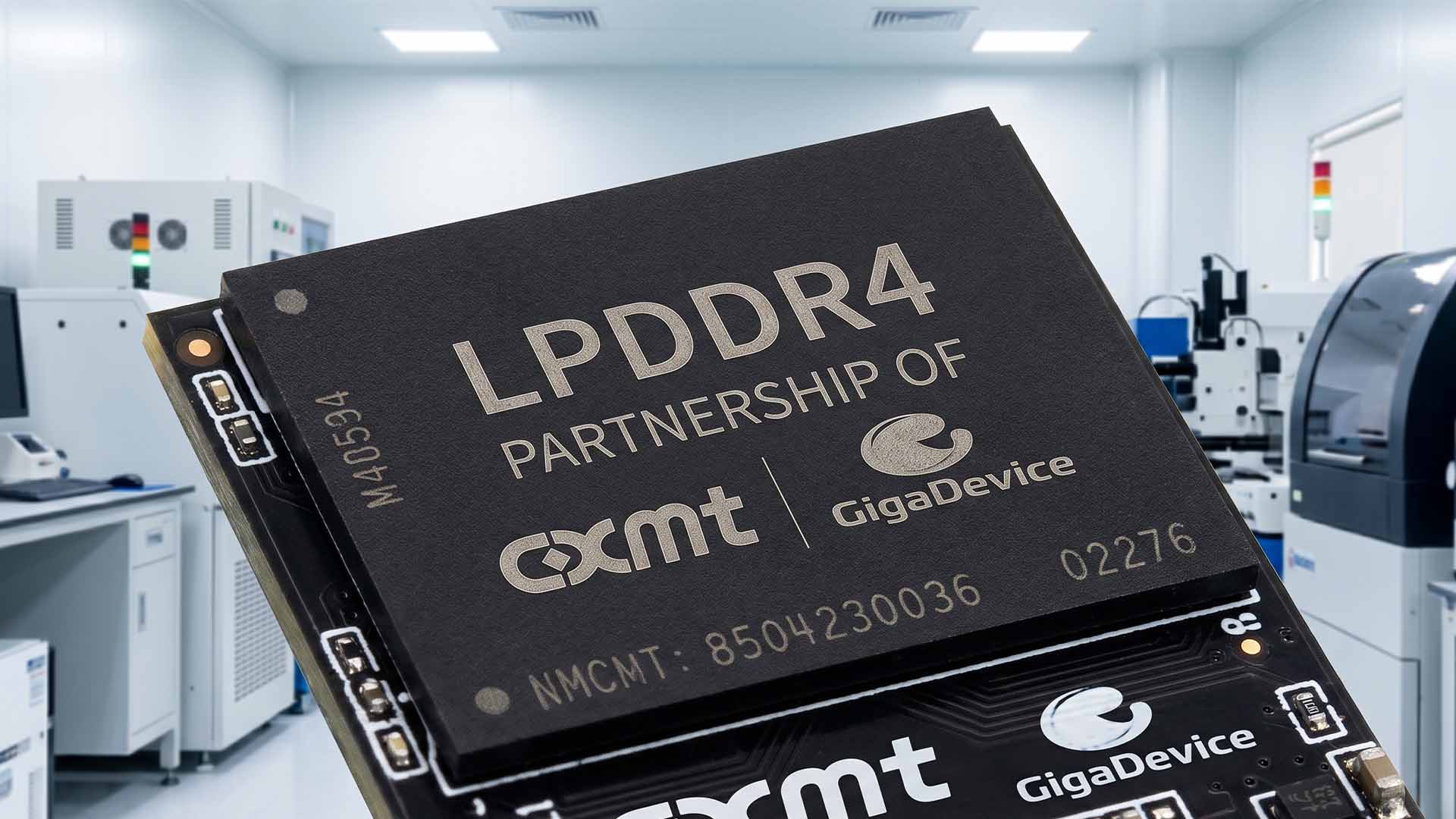
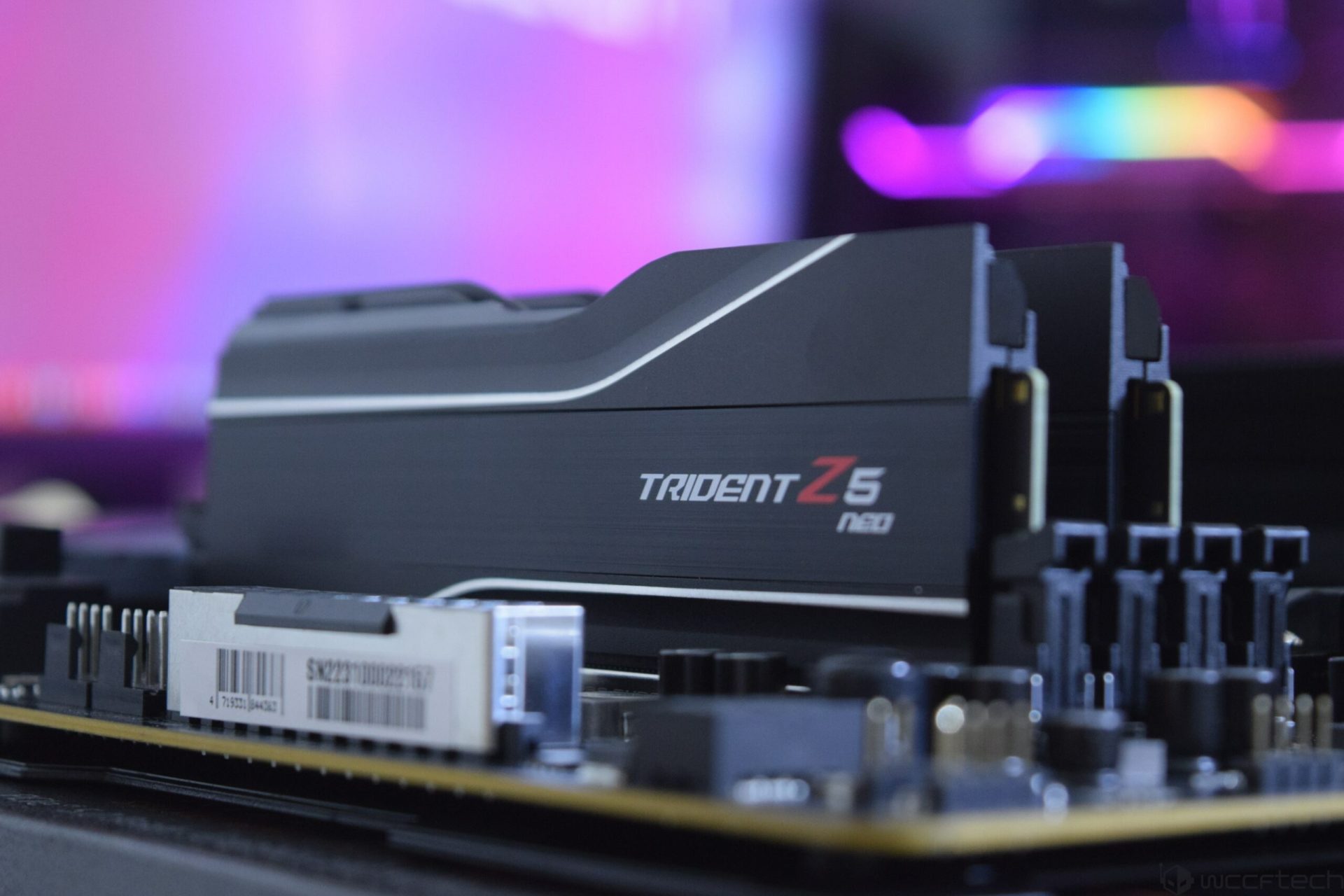
- Memory: 32 GB of LPDDR5x RAM is more than just about capacity; it's designed to minimize power consumption while maximizing bandwidth, making it ideal for heavy multitasking and AI workloads.
- Storage: PCIe Gen 4 SSDs scale up to 2 TB, but the real advantage comes from the NPU offloading tasks like encryption and AI preprocessing, leading to faster load times for large datasets or virtual machines.
- Connectivity: Wi-Fi 7 ensures future-proof wireless performance, while Thunderbolt 4 over USB-C allows for dual 4K display setups or external GPU connections if the internal Arc B390 needs additional power.
The device comes with its own set of trade-offs. Weighing in at 600 grams and drawing up to 100 W, it's not something you'd casually toss into a backpack. However, the I/O is thoughtfully designed—dual USB-C ports (one Thunderbolt 4), a single USB-A, and a 3.5 mm jack cover most connectivity needs, with HDMI 2.1 for external displays if necessary.
Is This Overkill—or Just the Right Tool?
For the average user, 32 GB of RAM and an Arc B390 GPU would be overkill. But for power users, this is where the Yoga Mini i truly shines. A 16 GB configuration with a Core Ultra 5 starts around $800 in China, indicating that higher-end models won't come cheap—but then again, neither do most workstations.
Where the Yoga Mini i really excels is in its versatility. It's not just a desktop replacement; it's a portable workstation capable of handling everything from light web browsing to heavy AI workloads. For someone who needs a machine that can grow with their projects—whether that's rendering 3D models, training ML models, or running multiple virtual machines—the trade-off of size for power is more than justified.
The Lenovo Yoga Mini i isn't just another mini PC; it's a bold statement. It proves that portability and performance aren't mutually exclusive when designed with purpose. The question isn't whether this machine can deliver—it's whether the market will embrace a device that does so much without compromising on mobility.