Smartphone manufacturing costs are spiraling upward, driven by an unprecedented surge in memory prices that now account for nearly a fifth of a device’s total bill. The ripple effects are being felt across the industry, from budget-friendly handsets to premium flagships, as manufacturers grapple with DRAM and NAND flash costs that have ballooned beyond historical norms.
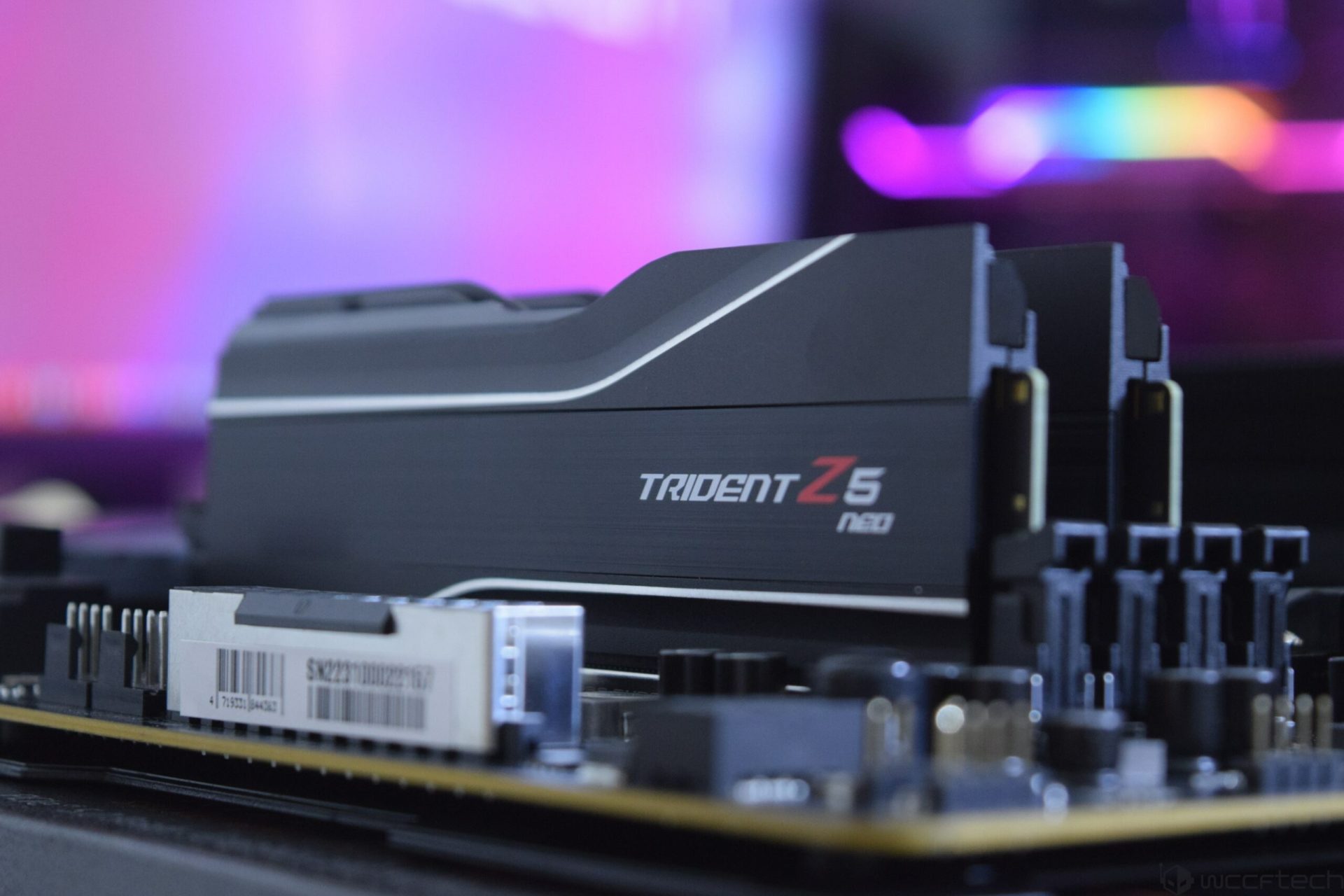
At the heart of this transformation is a stark reality: mobile LPDDR RAM prices have climbed by more than 70% since early last year, while smartphone NAND flash has seen an even steeper increase, nearing 100%. These cost hikes are not just line items in a budget—they represent a fundamental shift in how smartphones are designed and priced. For consumers, the implications could be significant, with some analysts predicting that even mid-range devices may need to revert to 4GB RAM configurations, a move that would have been unthinkable just a few years ago.
The impact extends beyond memory alone. Chipsets like the Snapdragon 8 Elite Gen 6 Pro are projected to cost upwards of $300 this year, following closely behind its predecessor, which was priced at around $280 per unit. When combined with the inflated costs of DRAM and NAND flash, the cumulative effect is pushing manufacturers toward a crossroads: either compromise on specifications or absorb the financial burden, risking lower profit margins.

This isn’t just an industry challenge—it’s a global phenomenon. Companies that once dominated the market without a second thought now find themselves scrambling for alternatives. Even tech giants like Apple are reportedly resorting to unconventional measures, such as sending executives on extended overseas trips to secure long-term DRAM supply agreements with key manufacturers. The desperation is palpable, signaling just how deep the crisis runs.
The question isn’t whether this trend will continue, but how long it will last. While some companies, like NVIDIA, have managed to mitigate shortages by prepaying for inventory, others are left bracing for a prolonged period of uncertainty. Market research suggests the shortage could persist until late 2027, leaving manufacturers and consumers alike in a state of limbo.
For now, the focus remains on adapting to this new normal. Whether through innovative cost-saving measures or strategic partnerships, the industry is navigating uncharted waters. The endgame, however, is clear: smartphones will look—and feel—different in 2026 and beyond.