The Core 7 245HX arrives with a name that suggests fresh innovation, yet it is fundamentally the same chip as Intel's Core Ultra 5 235HX. The rebranding raises questions about whether this is merely a strategic repositioning or a genuine leap forward for performance. Under the hood, the 12-core processor (8 performance and 4 efficiency cores) maintains its base clock at 1.6 GHz, with turbo speeds pushing to 4.7 GHz. It also retains 18 MB of L3 cache and supports DDR5-5200 memory, but the TDP is bumped up to 35 watts—a shift that hints at a different thermal profile without altering the core architecture.
This isn't Intel's first foray into rebranding, but it marks a notable departure in how the company labels its chips. Traditionally, the 'Core 7' moniker has been reserved for higher-tier processors, yet this model shares nearly identical specifications with an existing Ultra series chip. The distinction lies in its placement within Intel's lineup, suggesting a deliberate effort to blur the lines between performance tiers. For gamers, the real challenge will be determining whether this rebranding translates into tangible benefits or if it simply offers an older architecture under new packaging.
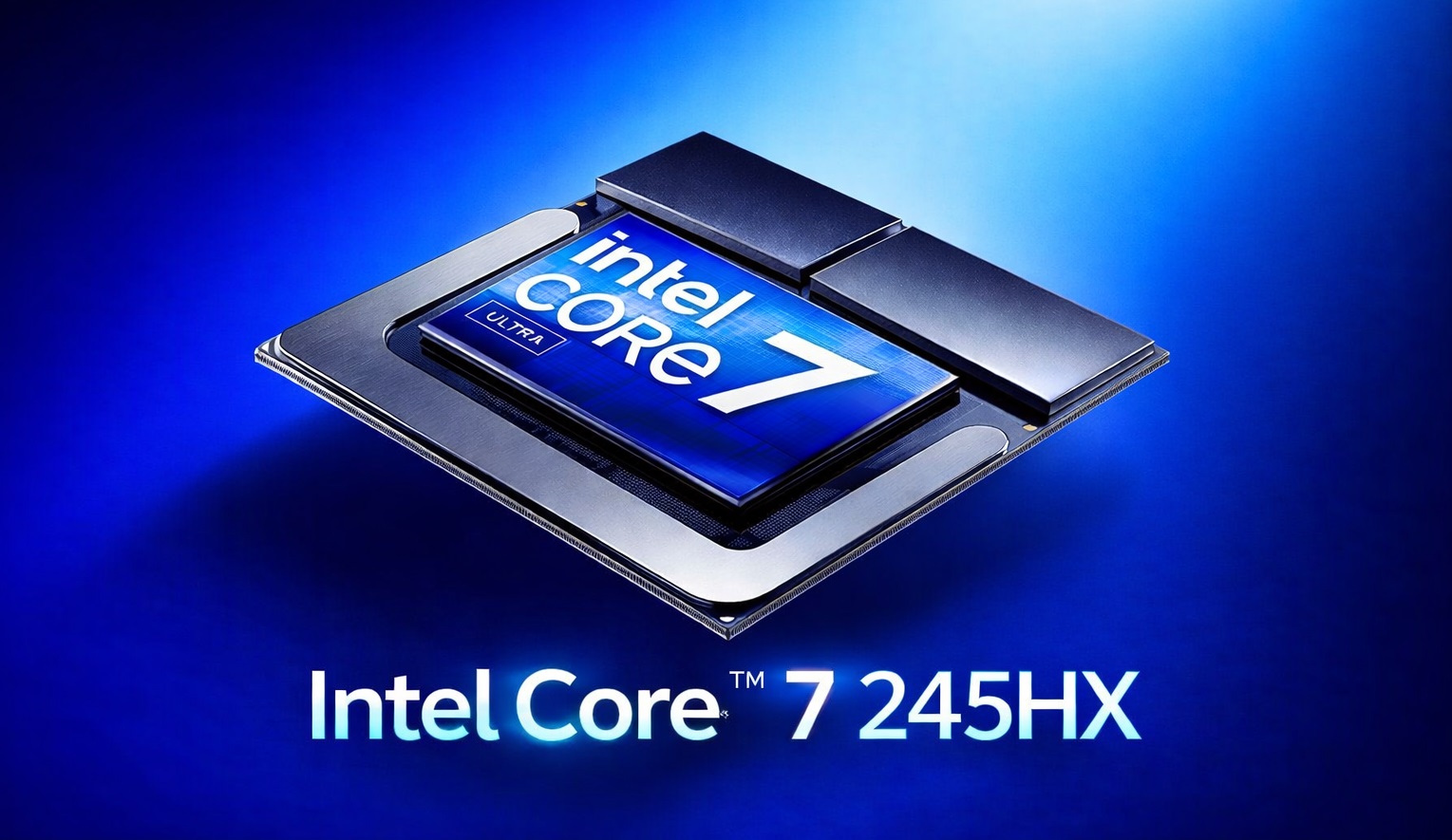
The 35-watt TDP is a key differentiator, indicating that Intel may be targeting slightly more demanding workloads than its lower-power counterparts. However, without significant performance improvements over the Core Ultra 5 235HX, gamers must weigh whether the potential gains justify any premium in price. The lack of clarity around supply and availability adds another layer of uncertainty—will this chip appear in meaningful quantities, or will it remain a footnote in Intel's product stack?
Intel's history suggests that rebranding can sometimes serve as a way to refresh a product line without investing in new silicon. If the Core 7 245HX follows this pattern, gamers may find themselves in a tricky position: a chip that doesn't deliver substantial upgrades but is priced competitively with newer models. The market will need to see whether Intel can strike a balance between innovation and cost, or if this rebranding will leave consumers waiting for the next generation of processors.
For now, the Core 7 245HX remains an enigma—a chip that promises something new but delivers what many already have. Whether it becomes a stepping stone to more powerful processors or a temporary detour depends on how Intel navigates pricing and supply. Gamers should keep a close eye on the market; if this chip is priced fairly, it could be a worthwhile option. But if supply remains limited, they may find themselves stuck with an older model under new branding, waiting for the next leap in performance.