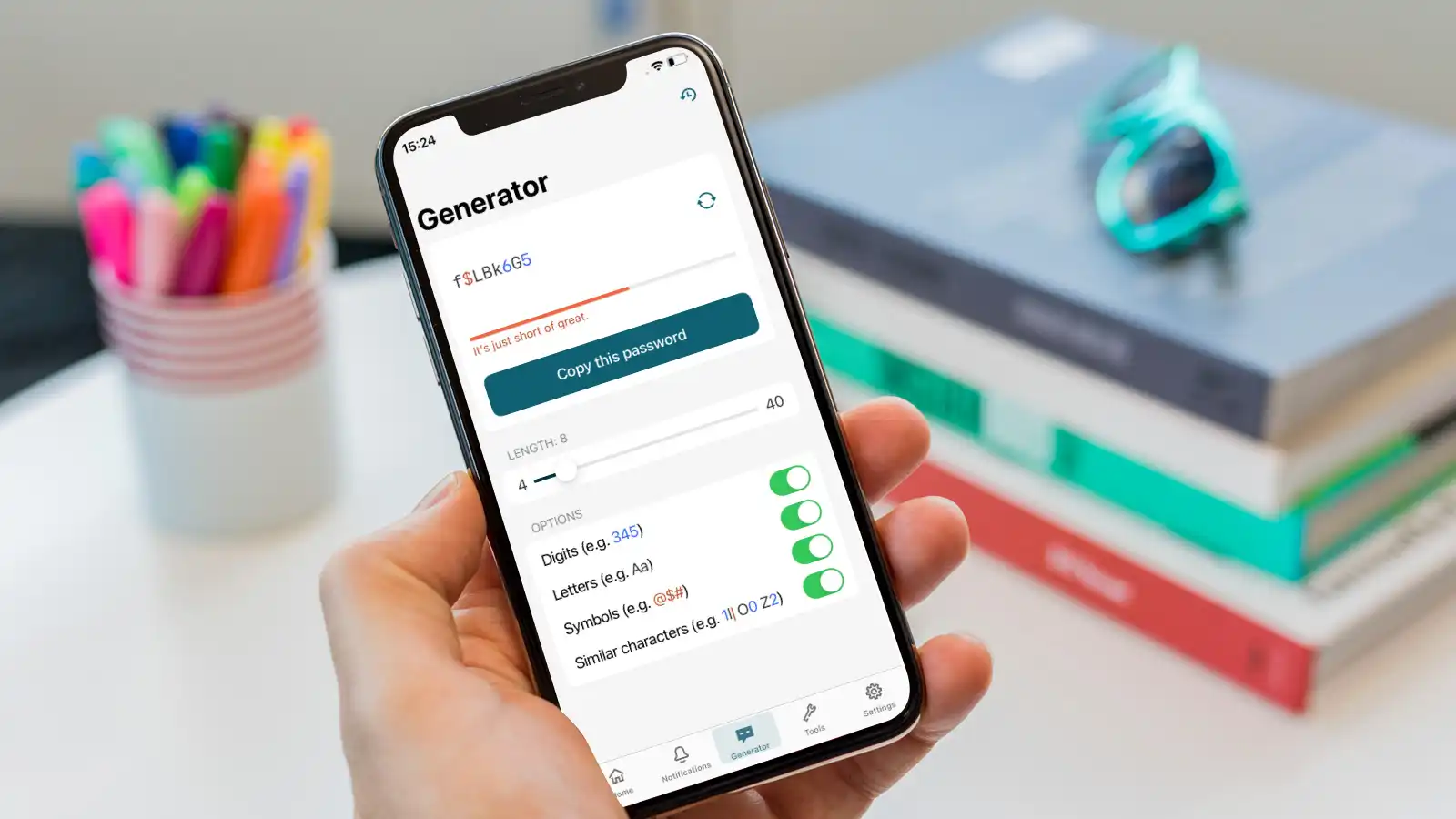
Password management is no longer a niche concern; it’s become essential for anyone with an online presence. The tools that once simply stored login credentials have expanded into full-fledged security suites, handling everything from encrypted passkeys to dark web monitoring—all while keeping costs surprisingly low.
The shift toward passkey support and multi-device synchronization is the most significant development in recent years. These features are not just incremental improvements; they represent a fundamental change in how users interact with online services. The question now isn’t whether to use a password manager, but which one will best fit your needs without compromising security or convenience.
What’s Changing in Password Management?
The most notable trend is the integration of passkey storage alongside traditional passwords. Passkeys, which rely on cryptographic key pairs instead of memorized strings, are gaining traction as a more secure alternative to passwords. Services like Dashlane and NordPass have already added this feature, allowing users to transition smoothly between older and newer authentication methods.
Another key evolution is the improvement in cross-platform synchronization. Many password managers now offer seamless access across Windows, macOS, Android, iOS, and Linux, with browser extensions for Chrome, Firefox, Edge, and Safari. This level of compatibility ensures that users can switch devices without losing access to their stored credentials.
Key Specs at a Glance
- Passkey Support: Dashlane, NordPass, and 1Password lead in this area, offering secure storage for both passwords and passkeys.
- Cross-Platform Sync: All top-tier managers support multiple devices with real-time synchronization.
- Pricing: Free plans often include unlimited vault entries, while premium tiers start at around $1.29/month (NordPass) and go up to $4.99/month (Dashlane Premium).
- Additional Features: Dark web monitoring, VPN access, email masking, and emergency contact sharing are common in paid plans.
These advancements mean that password managers are no longer just about convenience—they’re becoming comprehensive security tools. The ability to store passkeys, for example, aligns with industry trends toward passwordless authentication, which is being pushed by major tech companies like Google and Apple.
Why It Matters for Users
The real benefit of these changes lies in their accessibility. Premium features that once cost significantly more—like dark web monitoring or VPN access—are now part of mid-tier plans at a fraction of the price. For users who prioritize security without wanting to break the bank, this is a major win.
However, there are trade-offs. Some managers, like KeePass, offer full control but require technical expertise, while others, like NordPass, balance simplicity with robust features. The choice depends on whether you need fine-grained customization or a polished, user-friendly experience.
The long-term roadmap for password managers is clear: they will continue to integrate newer authentication methods while maintaining backward compatibility. For gamers and power users, this means less friction when logging into accounts across multiple platforms, which could be a game-changer in an era where account security is paramount.
For now, the best option depends on your needs—whether you want maximum control (KeePass), a premium all-in-one solution (Dashlane), or the best value (NordPass). But one thing is certain: the days of weak passwords and shared credentials are numbered. The future of password management is here, and it’s more secure—and affordable—than ever.