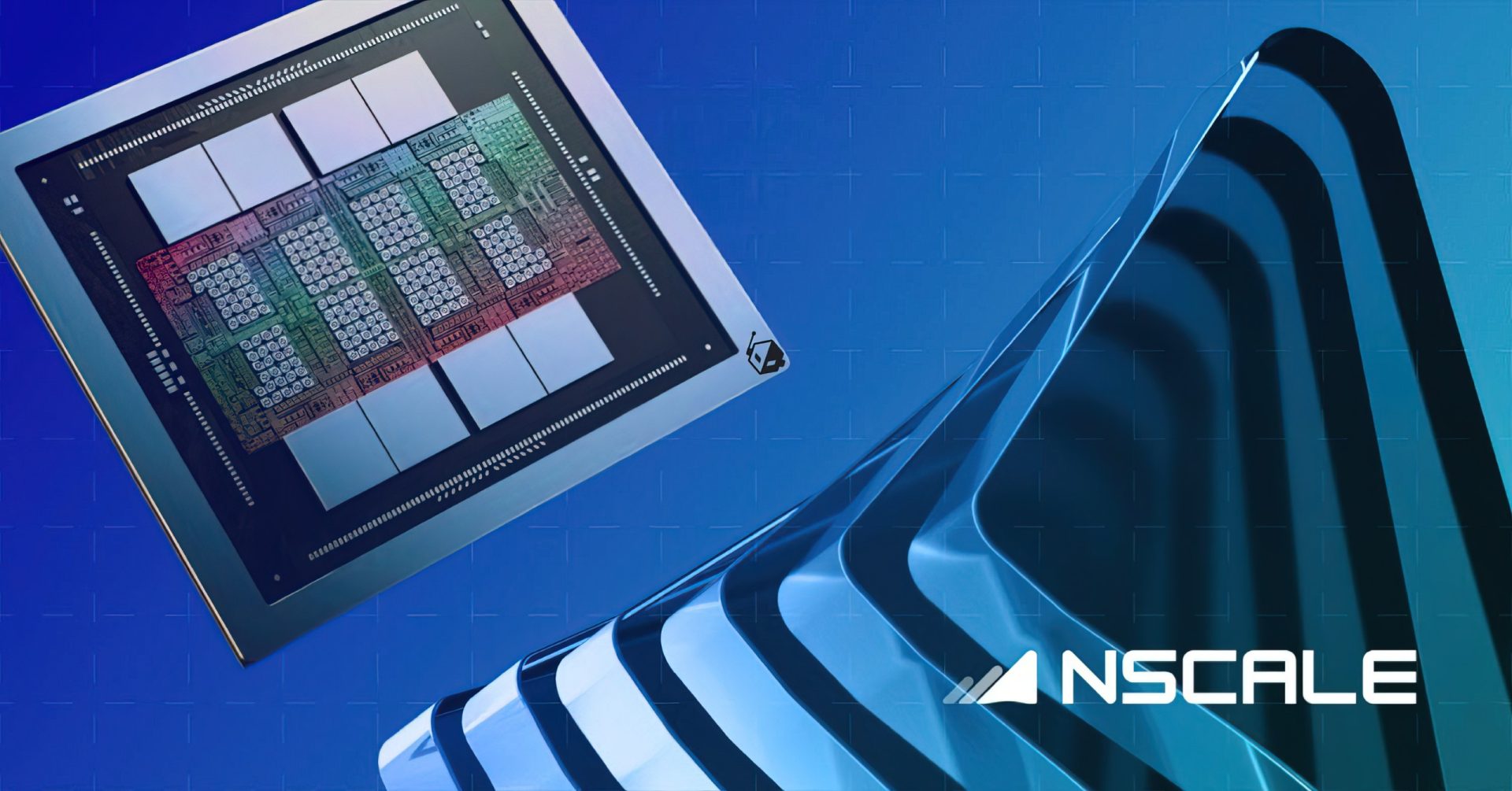
NVIDIA’s decision to halt H200 Hopper GPU production at TSMC’s N5 5 nm node has exposed a critical bottleneck in the semiconductor industry. An estimated 250,000 units remain trapped in inventory due to regulatory delays, while the company accelerates development of the Vera Rubin VR200 series—targeting TSMC’s advanced N3 3 nm process. This shift reflects not just technical constraints but a strategic recalibration of manufacturing priorities, where memory and packaging efficiency become the defining factors for next-generation GPUs.
The H200 was designed to leverage 5 nm technology with CoWoS-S packaging, optimized for high-bandwidth AI workloads in China. However, U.S. export restrictions and Beijing’s import bans have left those units stagnant, while NVIDIA prepares to transition to the VR200 series on a more advanced 3 nm node using CoWoS-L packaging. This move suggests a deliberate focus on efficiency gains—higher performance per watt, greater memory capacity, and tighter integration—all of which hinge on TSMC’s ability to repurpose its packaging infrastructure.
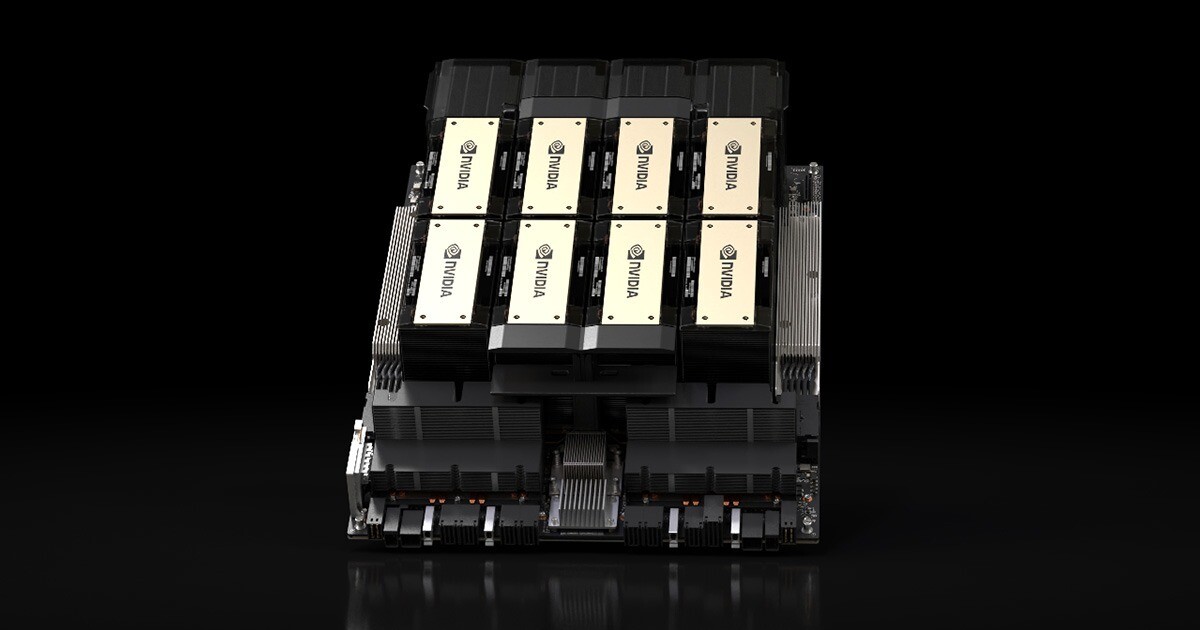
- Key specs:
- H200 Hopper: 5 nm (N5), CoWoS-S
- Vera Rubin VR200: 3 nm (N3), CoWoS-L
- Estimated H200 inventory: 250,000 units
The implications for memory and storage are significant. The VR200 series is expected to deliver substantial improvements in compute density, with potential for larger on-board memory configurations—critical for AI training workloads that demand ever-increasing bandwidth. Meanwhile, the H200’s delayed release leaves a void in China’s GPU market, where 5 nm technology was once seen as a bridge between legacy and next-node architectures.
For data centers and AI labs, this shift could mean longer waits for Hopper-based hardware, even as Rubin-based alternatives emerge with tighter memory integration. The transition also raises questions about TSMC’s ability to manage the packaging complexity of CoWoS-L at 3 nm without disrupting production timelines. NVIDIA’s dominance as TSMC’s largest customer ensures priority access, but the broader industry may face supply chain adjustments that prioritize newer architectures over older ones.
Ultimately, this pivot underscores a broader trend: memory and packaging efficiency are becoming the new battlegrounds in GPU design. As NVIDIA moves toward 3 nm, the focus on higher bandwidth, lower power consumption, and greater storage capacity will define the next generation of AI hardware. The H200’s inventory may remain unresolved, but the VR200 series signals a clear path forward—one where memory and performance are inseparable.