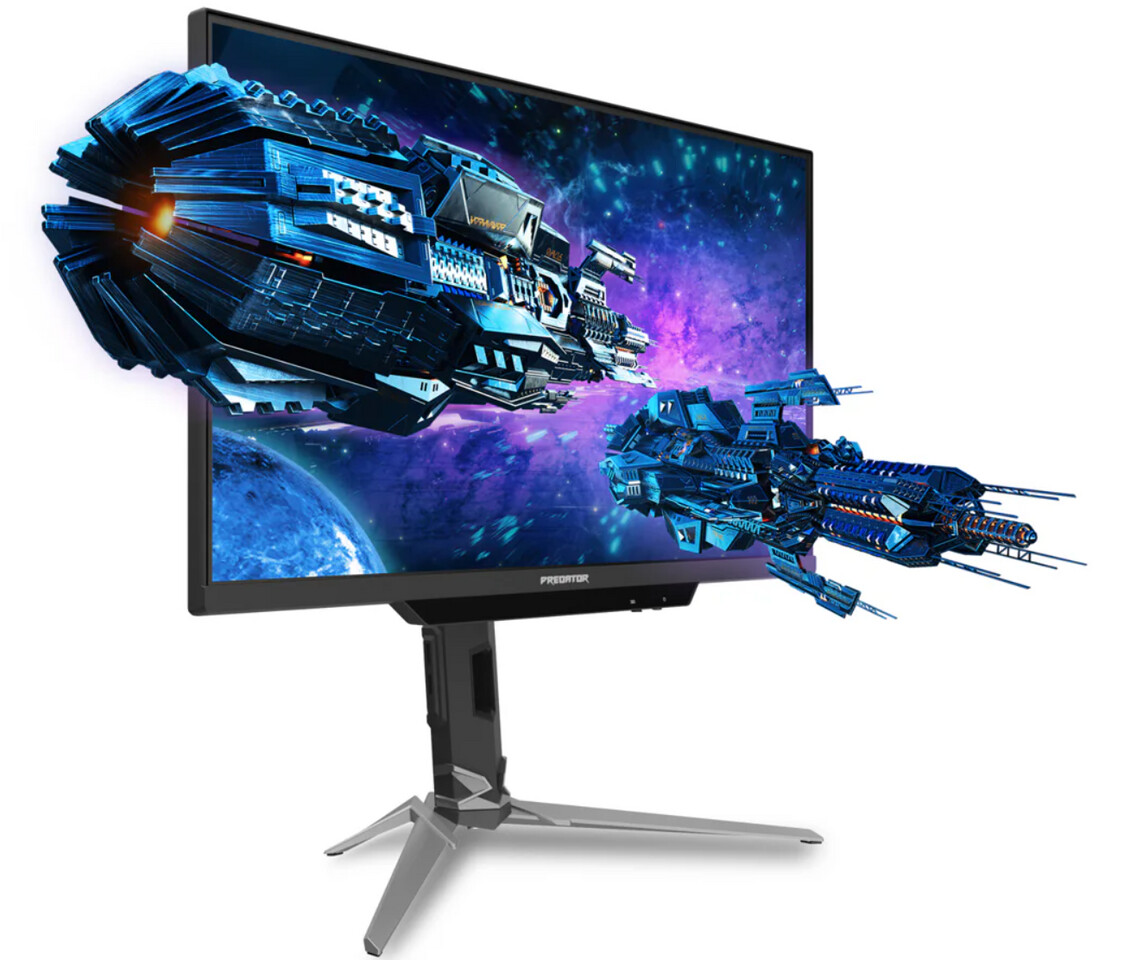
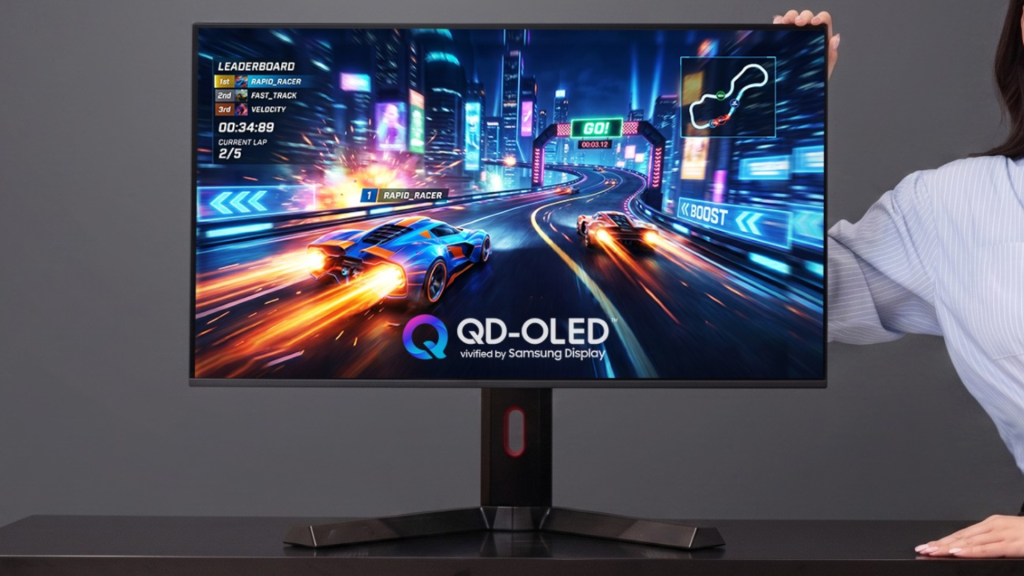
Samsung’s latest 32-inch 4K OLED panel isn’t just another incremental upgrade—it’s a bold declaration that the industry is no longer bound by traditional refresh rate thresholds. At 360Hz, this display doesn’t merely improve motion clarity; it redefines the expectations of what a screen can deliver in real-time scenarios where milliseconds dictate success or failure.
OLED technology has long been celebrated for its self-emissive pixels, perfect blacks, and unmatched color fidelity. But pushing those capabilities to 360Hz introduces a layer of complexity that goes beyond mere engineering. The panel’s architecture must now contend with thermal stability at extreme refresh rates while maintaining the visual integrity that OLED is known for. This isn’t just about smoother gaming; it’s about rethinking how displays interact with high-precision workflows where responsiveness is non-negotiable.
For power users, the implications are both exciting and daunting. On one hand, 360Hz unlocks possibilities in competitive gaming, simulation, and real-time data analysis that were previously theoretical. The panel’s ability to render motion with such precision could set a new benchmark for what’s achievable on screen. Yet, the practical deployment of this technology isn’t without its hurdles.
- Thermal management becomes critical—OLED panels already generate heat, but sustaining 360Hz without degradation is an untested challenge.
- Power consumption rises sharply at such high frequencies, raising questions about real-world efficiency and battery life in portable setups.
- The ecosystem must evolve to support this refresh rate. Monitors, cables, and software pipelines aren’t yet optimized for 360Hz, meaning the full potential may not be realized immediately.
Samsung’s achievement here is a microcosm of a larger trend: the relentless pursuit of performance, even when the immediate need isn’t clear. Will 360Hz become a standard, or will it remain a high-end curiosity? The answer depends on how quickly developers and manufacturers adapt to this new frontier. For now, the panel stands as proof that the boundaries of display technology are still being redrawn—whether those changes translate into tangible benefits for end users remains an open question.