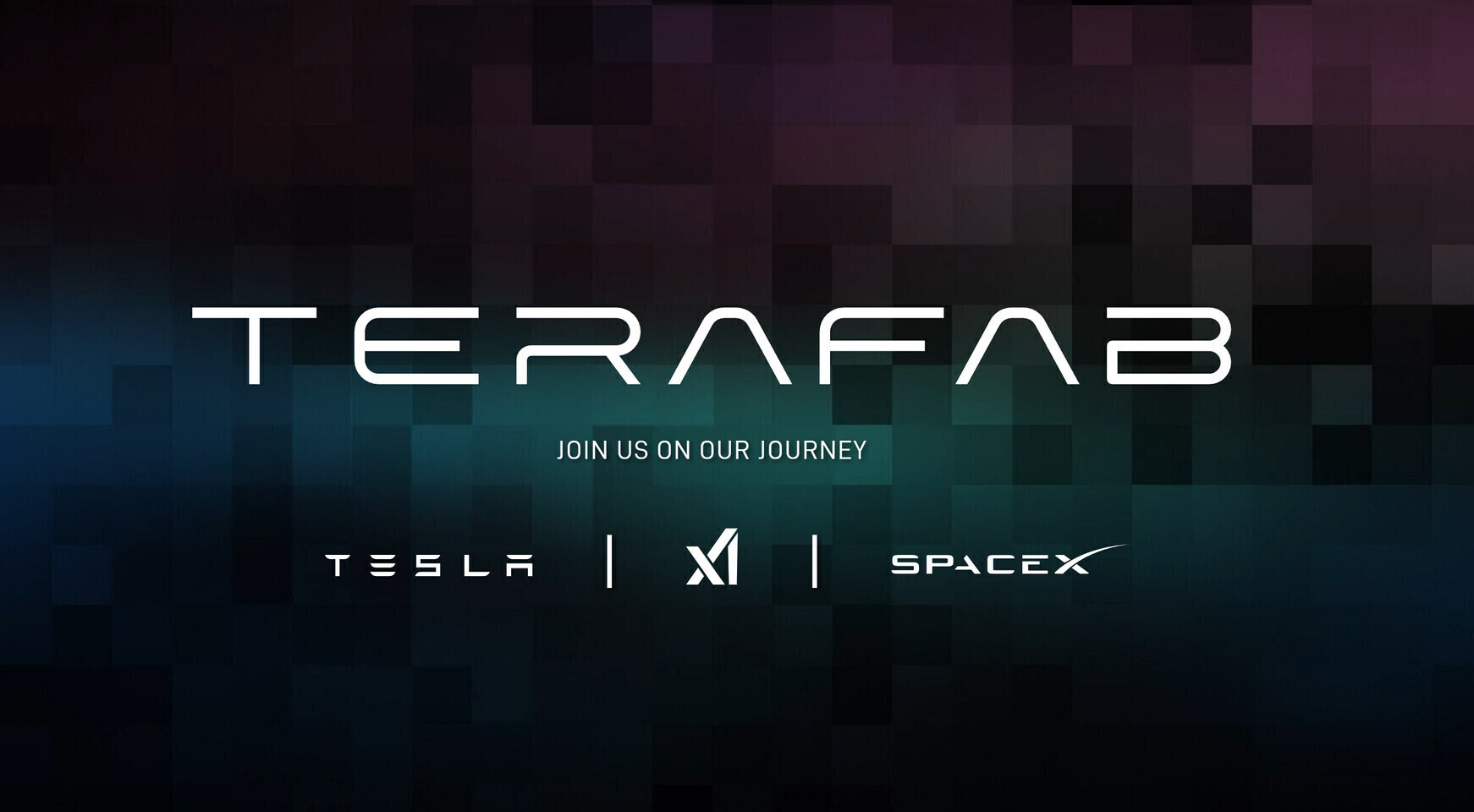
A single facility could soon change the way semiconductors are made. Terafab, a massive semiconductor manufacturing project announced by Elon Musk, is set to integrate multiple stages of chip production—from logic fabrication to packaging and testing—into one site. This consolidation, if successful, would streamline development timelines and reduce delays in bringing new chips to market.
Unlike traditional fabs that focus solely on silicon manufacturing, Terafab’s scope extends far beyond. While a typical 3 nm fab costs over $20 billion, this project’s ambition to handle everything from design to final testing will push its price into the hundreds of billions. The first phase alone is estimated at $55 billion, with potential expansion to $119 billion if additional phases are added.
Why Consolidate?
The traditional semiconductor supply chain is fragmented, with different stages often handled by separate companies and facilities. This creates inefficiencies, as chips move between locations for fabrication, packaging, and testing. Terafab aims to eliminate these bottlenecks by bringing all processes under one roof, enabling rapid prototyping and faster iterations.
Intel has already announced its involvement in the project, positioning itself as a key partner. While details of the collaboration remain scarce, Intel’s participation suggests a strategic move to secure access to advanced manufacturing capabilities. However, building such a facility from scratch is no small feat—it requires years of planning, procurement of specialized machinery, and coordination with suppliers like ASML, Lam Research, KLA Corporation, and Tokyo Electron.
Challenges Ahead
The road to operationalizing Terafab will be fraught with obstacles. Leading a semiconductor project of this scale demands not only financial resources but also deep engineering expertise. The global shortage of skilled semiconductor professionals adds another layer of complexity, as companies compete for talent in an increasingly specialized field.
For now, the project remains in its early stages, with no confirmed timeline for completion. If it succeeds, Terafab could redefine semiconductor manufacturing, offering a more integrated and efficient approach to chip development. But if execution falters, the staggering cost could become a liability rather than an investment.
Where things stand: Terafab is still in its infancy, with no clear path forward beyond initial planning. Buyers and users should watch this space closely—its success or failure will ripple through the entire semiconductor industry.