Warehouses in the U.S. are seeing an unusual influx of shipments labeled as 'Game Consoles,' raising speculation that Valve may be preparing for a renewed focus on the Steam Machine platform. While the exact nature of these shipments remains unclear, industry observers note that the timing does not align with typical holiday or discount-driven restocking cycles, which would more likely reflect preparations for the Steam Deck.
The Steam Machine has long been positioned as a hybrid device capable of running PC games, but its adoption has been constrained by software limitations and hardware fragmentation. If Valve is indeed gearing up for another push, the focus this time appears to be on enterprise buyers—particularly those prioritizing power efficiency and thermal management in high-density environments.
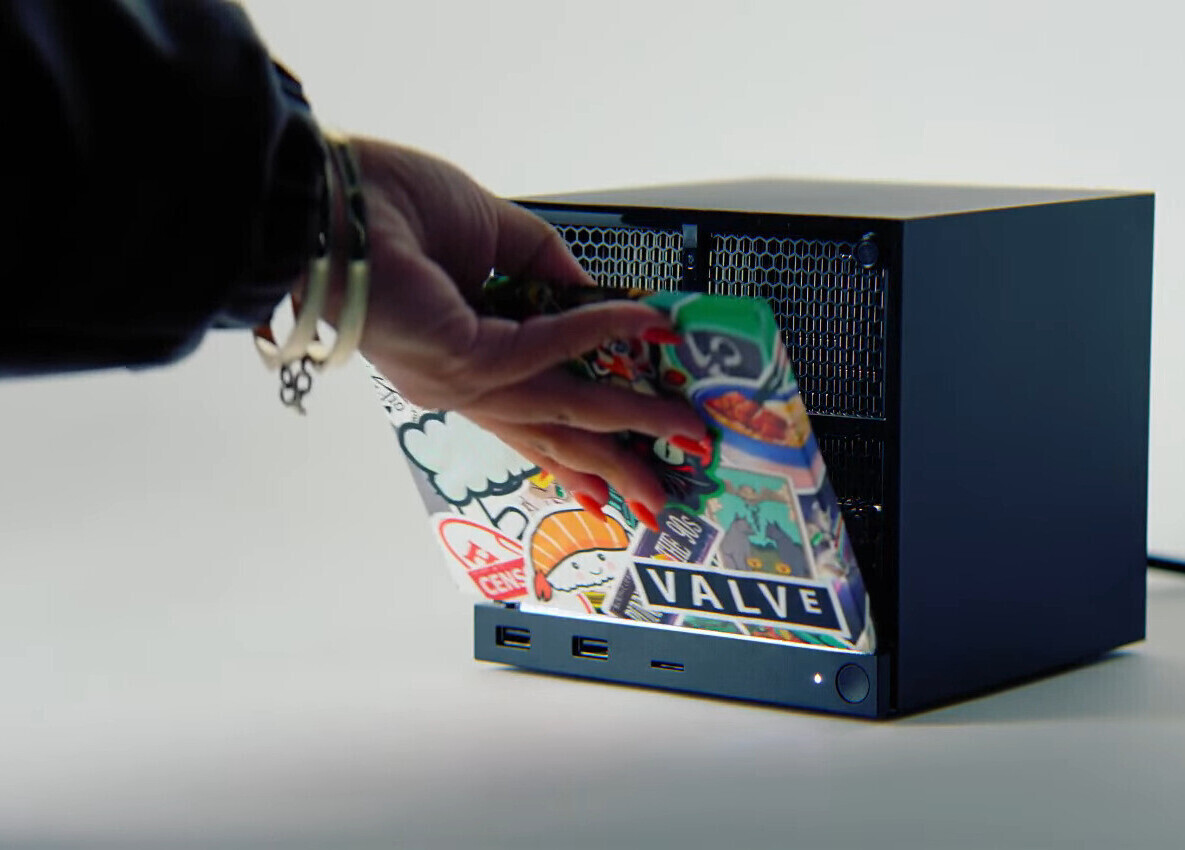
Key Specs
- Display: 1080p or 4K (HDMI 2.1 support)
- Chip: Custom AMD APU (as per earlier reports)
- Memory: 8GB DDR5 (configurable)
- Storage: 256GB NVMe SSD (expandable)
- Power: 100W TDP, optimized for low heat output
The inclusion of HDMI 2.1 support suggests Valve is addressing one of the platform’s long-standing technical gaps, particularly around high-refresh-rate displays and 4K outputs. However, the lack of confirmed benchmarks or real-world performance data leaves its competitive positioning against modern gaming PCs and consoles uncertain.
Context and Implications
A deeper look at Valve’s logistics suggests this could be a continuation of an earlier plan rather than a sudden pivot. The company has historically stockpiled hardware to manage costs, and the current activity may simply reflect adherence to that strategy. For enterprise buyers, the Steam Machine’s appeal lies in its potential for quiet operation and low power draw—critical factors in data centers or multi-device deployments—but whether Valve can overcome software fragmentation remains the biggest hurdle.
If the Steam Machine does return, it will likely face stiff competition from both traditional gaming PCs and next-gen consoles. The platform’s strength in performance-per-watt could make it attractive for niche use cases, but without a clear roadmap for game compatibility or driver support, its long-term viability is still up in the air.
The biggest unknown remains pricing. Earlier reports suggested the Steam Machine might undercut some console alternatives, but with no official confirmation, enterprises should brace for potential delays or shifts in strategy. For now, the focus is on monitoring warehouse activity and Valve’s next moves—with an eye on whether this is a true revival or just another logistical blip.