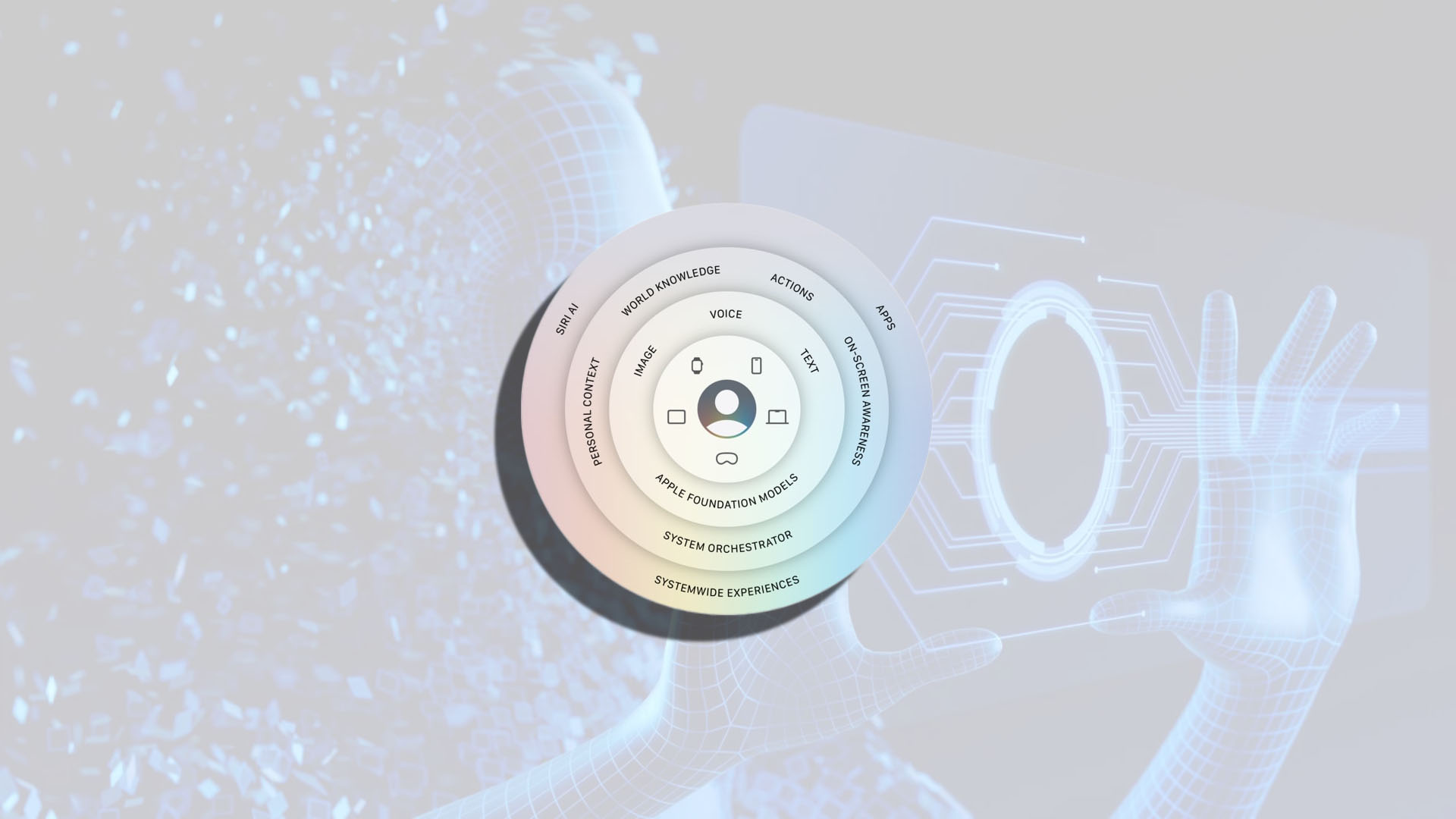
Apple’s latest hardware, including the iPhone 17e and the M4-powered iPad Air, signals a turning point in how devices handle artificial intelligence. While the industry has long relied on cloud-based solutions to offload complex tasks, these new models suggest Apple is doubling down on on-device processing—a shift that could reshape both mobile performance and user expectations.
Connectivity: A Hybrid Approach with Lingering Challenges
The iPhone 17e introduces a more practical port design than its predecessors, but it doesn’t fully bridge the gap between mobile convenience and desktop-level utility. The inclusion of a Lightning port—now shared with power delivery—offers users a familiar interface for charging while maintaining backward compatibility with older accessories. However, this choice contrasts with the iPad Air’s full USB-C implementation, which includes Thunderbolt and USB 4 support, hinting at Apple’s cautious approach to balancing tradition and innovation.
For developers building peripherals or modular hardware, the iPhone 17e’s port may feel restrictive compared to competitors that have fully embraced USB-C for data transfer. While Apple has long prioritized wireless connectivity—such as MagSafe and AirDrop—the Lightning port’s persistence suggests a reluctance to abandon a legacy standard, even as the rest of the industry moves toward universal charging and faster data protocols.
Display and Performance: Efficiency Meets AI Readiness
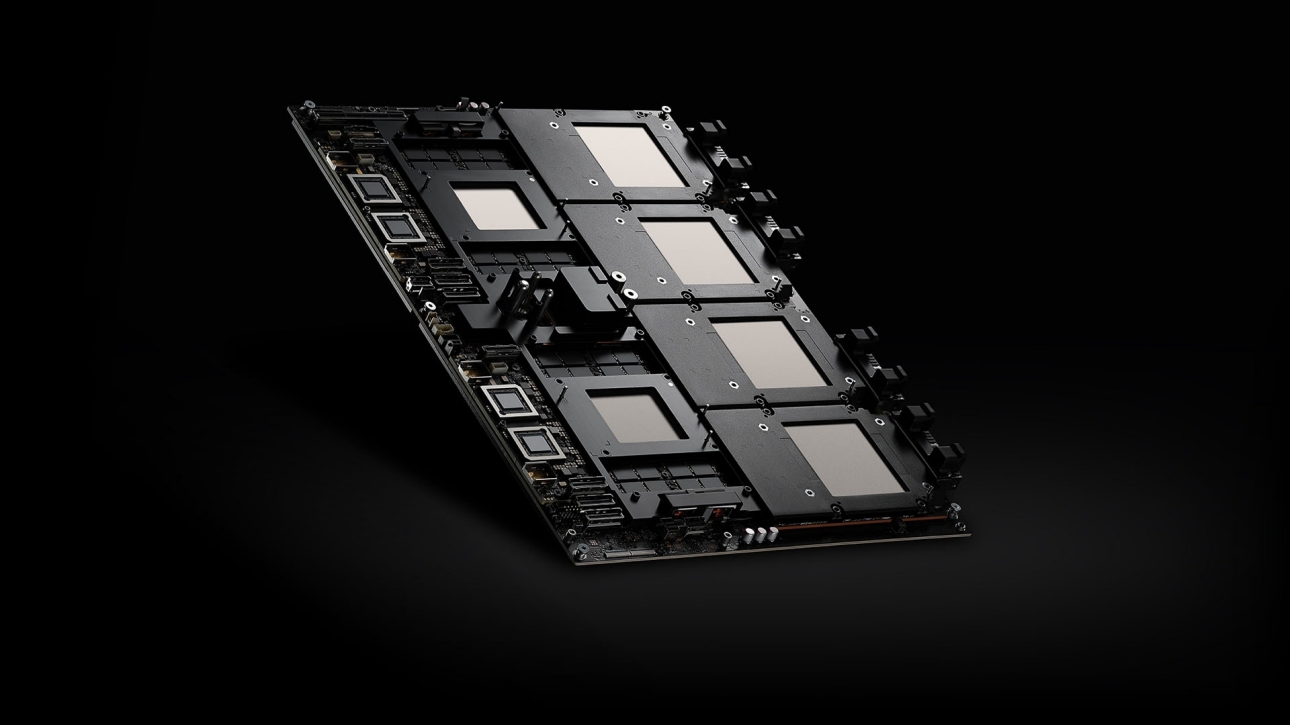
The iPad Air’s M4 chip is where Apple’s AI ambitions become most visible. With a 16-core Neural Engine, the chip delivers performance that rivals mid-range desktop processors from just two years ago but does so with far greater efficiency. This isn’t just about raw speed; it’s about thermal management and battery life—a critical distinction for mobile devices.
The iPhone 17e follows a similar path, though its focus is more on refining existing capabilities than introducing radical changes. Its Super Retina XDR OLED display, with adaptive refresh rates up to 120 Hz, ensures smooth visuals whether users are scrolling through apps or watching video. Under the hood, the M4 chip—paired with 8 GB of unified memory and a 10-core GPU—ensures that even demanding tasks, like AI-driven image processing or real-time language translation, run without noticeable lag.
Key Specifications
- Display: 6.1-inch Super Retina XDR OLED (iPhone 17e), 2000 nits peak brightness, 1–120 Hz ProMotion adaptive refresh rate.
- Chipset: Apple M4 (4 nm), 8-core CPU (4 performance + 4 efficiency cores), 10-core GPU, 16-core Neural Engine.
- Memory & Storage: 8 GB LPDDR5X unified memory; base storage starts at 256 GB, with options up to 1 TB.
- Power: 30W USB-C power delivery (iPad Air), 20-hour battery life on video playback (iPhone 17e).
- Cameras: Dual 48 MP (main + ultra-wide), 12 MP front camera, 4K HDR video with Dolby Vision HDR support.
- Connectivity: 5G (sub-6 GHz and mmWave), Bluetooth 5.3, Wi-Fi 6E, USB-C with Thunderbolt/USB 4 compatibility (iPad Air).
- Ports: Lightning port (iPhone 17e), USB-C (iPad Air).
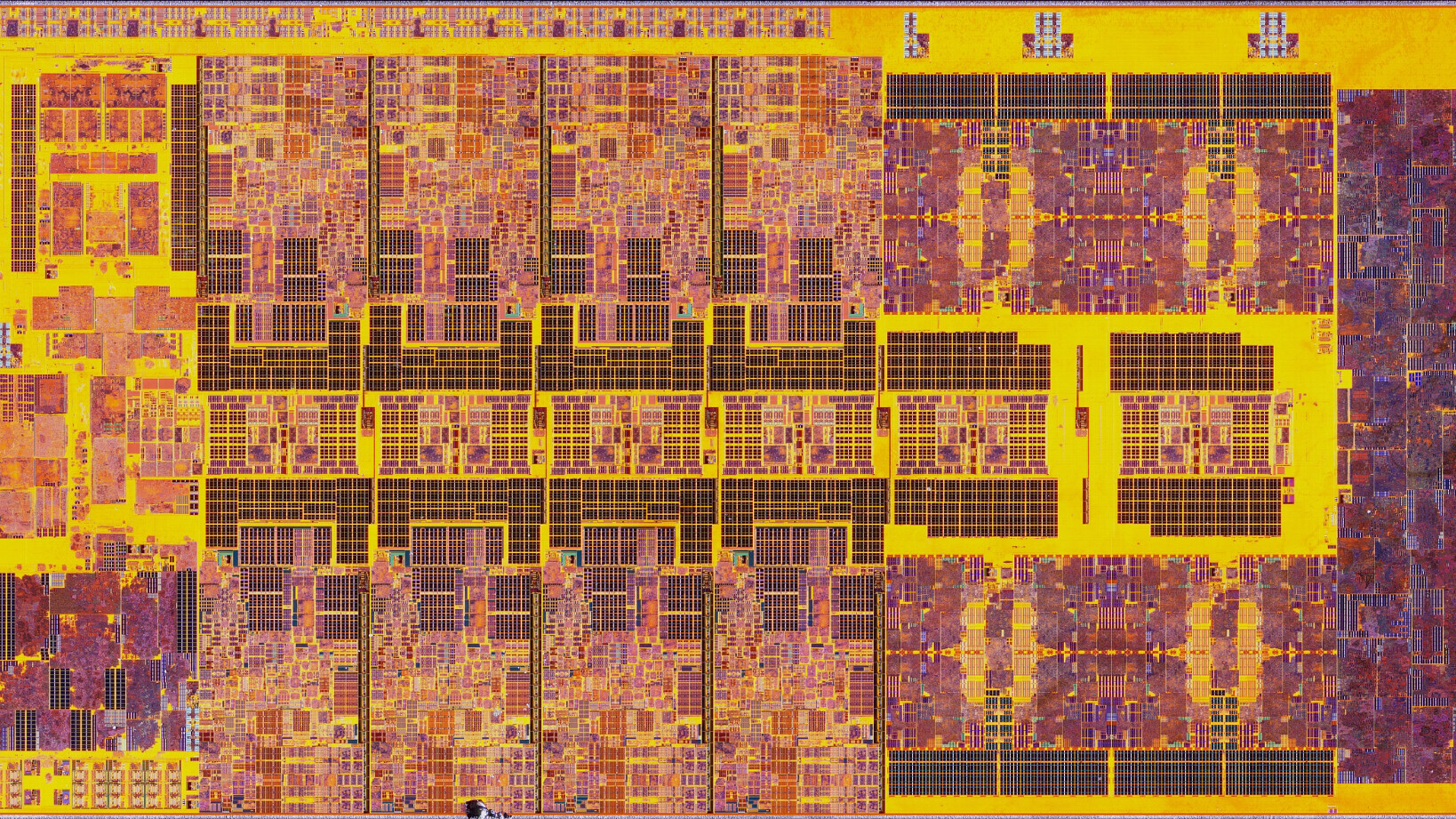
The M4’s architecture suggests Apple is moving toward a more integrated approach to computing, where CPU, GPU, and AI workloads coexist in a single silicon package. This could influence future desktop hardware as well, though the iPhone 17e and iPad Air represent incremental steps rather than a revolutionary leap.
For everyday users, the benefits are already tangible: smoother performance in AI-driven apps, longer battery life, and faster data processing for tasks like image recognition. Yet, the iPhone 17e’s Lightning port may still feel outdated, particularly when compared to competitors that have standardized on USB-C across their entire lineup. This could pose a compatibility risk for users who rely on third-party accessories or plan to transition to future devices.
Looking ahead, Apple’s hardware strategy appears to be converging with broader industry efforts to integrate AI at the chip level. The iPhone 17e and M4-powered iPad Air set a foundation for more ambitious compute platforms, but their full potential will only be realized as software developers adapt to the M4’s capabilities. For now, buyers can expect stronger performance and efficiency—but the question remains whether Apple is willing to take bigger risks with connectivity in future iterations.