Razer’s Viper V3 Pro mouse has always been a staple for competitive gamers, but the company isn’t resting on its laurels. The latest iteration, codenamed Zen 2.0, trims weight without sacrificing durability and refines responsiveness to meet the demands of faster-paced games.
That’s the upside—here’s the catch: the changes are subtle enough to avoid disrupting workflows for users already invested in the V3 Pro ecosystem, yet significant enough to make it a compelling upgrade path. The new shell, now just 33 grams, is lighter than its predecessor while maintaining Razer’s signature build quality. This isn’t just about shedding weight; it’s about rethinking how a mouse feels in-hand during long sessions, where every millisecond of input latency matters.
The Zen 2.0 update also introduces refinements to the optical switch and sensor integration, aiming to reduce input delay further. While Razer hasn’t shared exact benchmarks for this version, the focus is clearly on competitive scenarios—think faster TT reaction times in shooters or more precise cursor control in MOBAs. The mouse still retains its 12 programmable buttons and 50 million click durability, but the shell’s redesign suggests a shift toward even more aggressive gaming profiles.
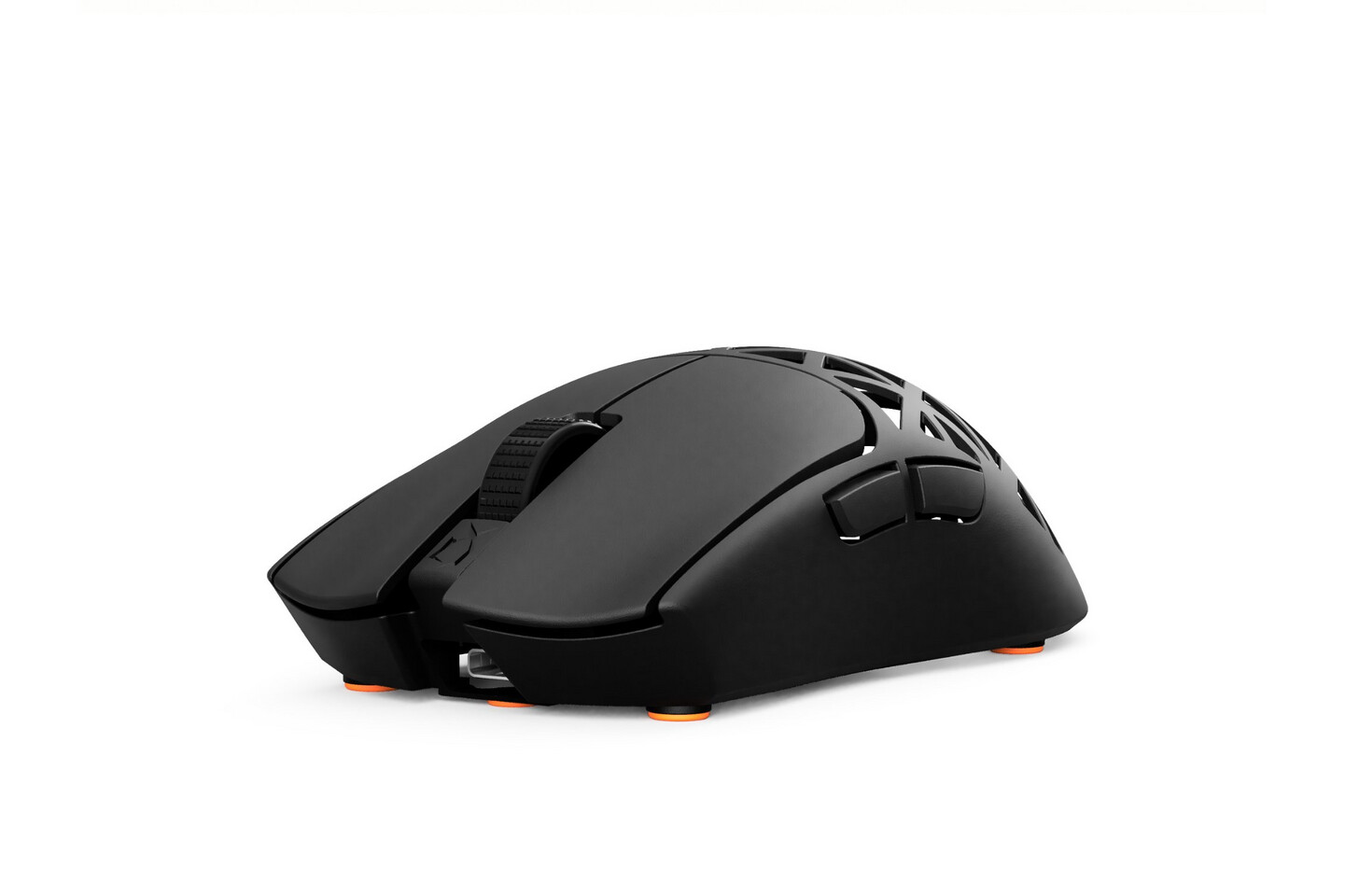
- Shell weight: now 33 grams (down from previous version)
- Optical switch and sensor tweaks for reduced input delay
- 12 programmable buttons, 50 million click durability unchanged
- Ergonomic changes without compromising build integrity
The Viper V3 Pro Zen 2.0 isn’t just a incremental refresh—it’s a signal that Razer is doubling down on the high-performance end of its gaming mouse lineup. For developers or competitive players who treat input devices as part of their toolkit, this update could be a game-changer in how they approach precision tasks.
The question now isn’t whether the Viper V3 Pro can keep up with the demands of modern games—it’s whether Razer can sustain this level of refinement without alienating its existing user base. The answer so far? It’s looking like yes.