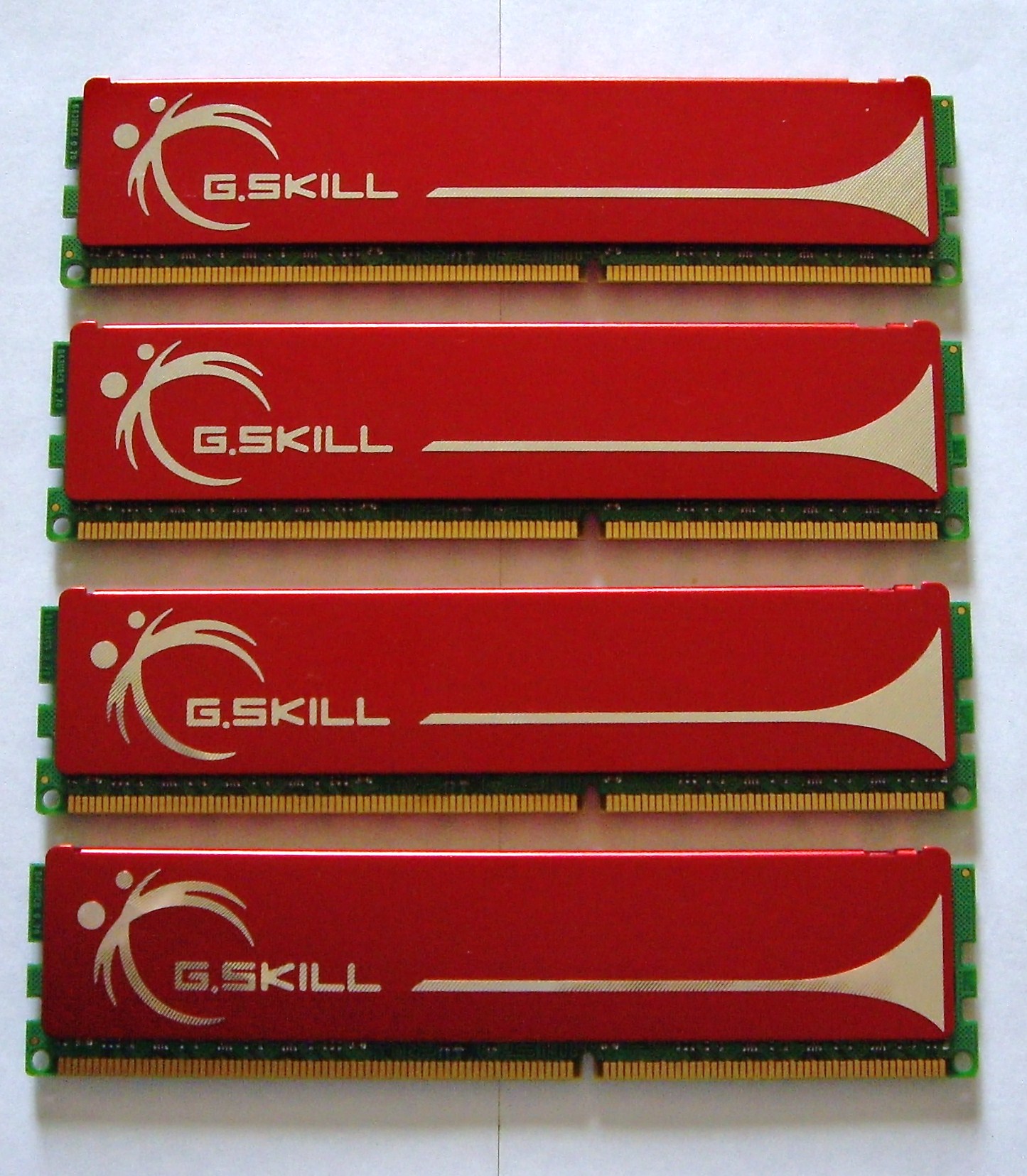
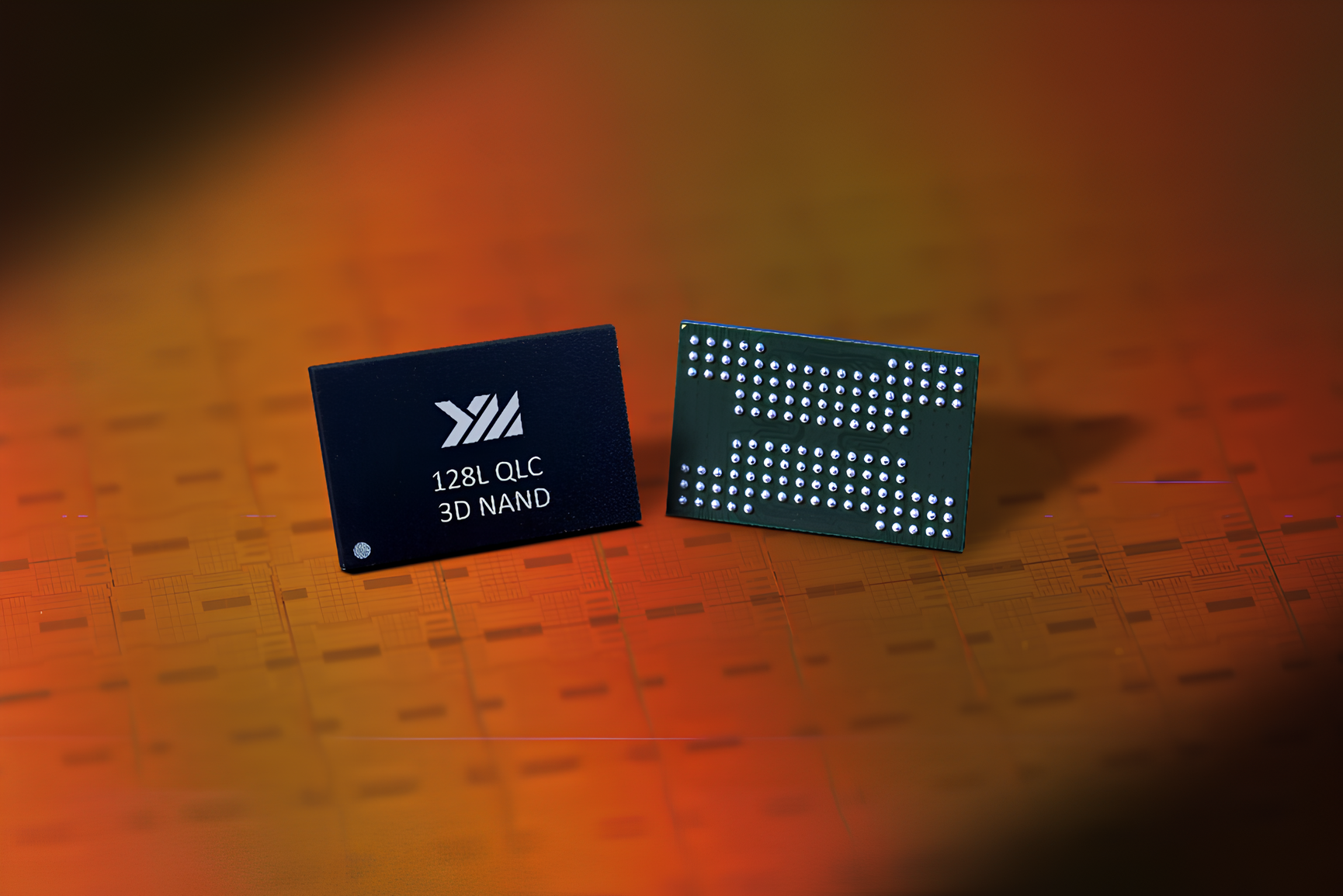
Smartphone manufacturing is entering a period of significant financial strain as memory component prices reach historic highs, forcing industry-wide reevaluations of device architectures. With LPDDR RAM costs surging more than 70% and NAND flash prices doubling since early last year, the economic impact extends beyond just sticker shock—it's fundamentally altering how devices are designed and priced.
The most immediate consequence is a dramatic increase in production expenses, where memory now accounts for over 20% of total smartphone costs compared to previous benchmarks of 10-15%. This represents one of the sharpest cost shifts in recent industry history, comparable only to periods of major technological transitions.
Key Specifications Under Pressure
- Memory:
- LPDDR RAM costs increased by more than 70%
- NAND flash prices surged approximately 100%
- Current standard configurations now include 4GB RAM (down from higher baseline in recent years)
- Processing:
- New 2nm chipsets expected later this year
- Snapdragon 8 Elite Gen 6 Pro projected at $300 per unit
- Snapdragon 8 Elite Gen 5 estimated at $280 per unit
The combination of these cost pressures with next-generation chipsets creates a perfect storm for manufacturers. The transition to 2nm process technology, while promising significant performance improvements, arrives at precisely the wrong moment economically. When paired with the Snapdragon 8 Elite series pricing—where each generation sees $20 increments in unit costs—the financial burden becomes unsustainable without corresponding revenue adjustments.

Real-World Implications
For consumers, this translates to several potential scenarios: entry-level devices reverting to 4GB RAM configurations that were previously phased out due to performance concerns; mid-range phones adopting more aggressive power management to extend battery life despite increased computational demands from newer chipsets; and premium devices facing price hikes that could approach or exceed $1,000 when factoring in all component cost increases.
Thermal management becomes another critical factor as 2nm chips generate less heat but require more sophisticated cooling solutions to maintain performance under the new memory constraints. Battery life may also see unexpected variations depending on how manufacturers balance power-hungry components with the need for longer usage times—a particular concern given that battery costs themselves have remained relatively stable compared to other components.
Industry Response and Outlook
The industry response has already begun, with some manufacturers reportedly exploring long-term agreements with memory suppliers—including extended hotel stays for executives—to secure future supply. This mirrors strategies seen in other tech sectors during shortages but represents an unprecedented level of desperation given the broad impact across all smartphone tiers.
Looking ahead, while some industry observers suggest this crisis may peak by mid-2026, the most optimistic projections still indicate it will persist until Q4 2027. This extended timeline means manufacturers face years of financial pressure rather than a temporary disruption, forcing them to make structural changes that could reshape the smartphone market for generations to come.