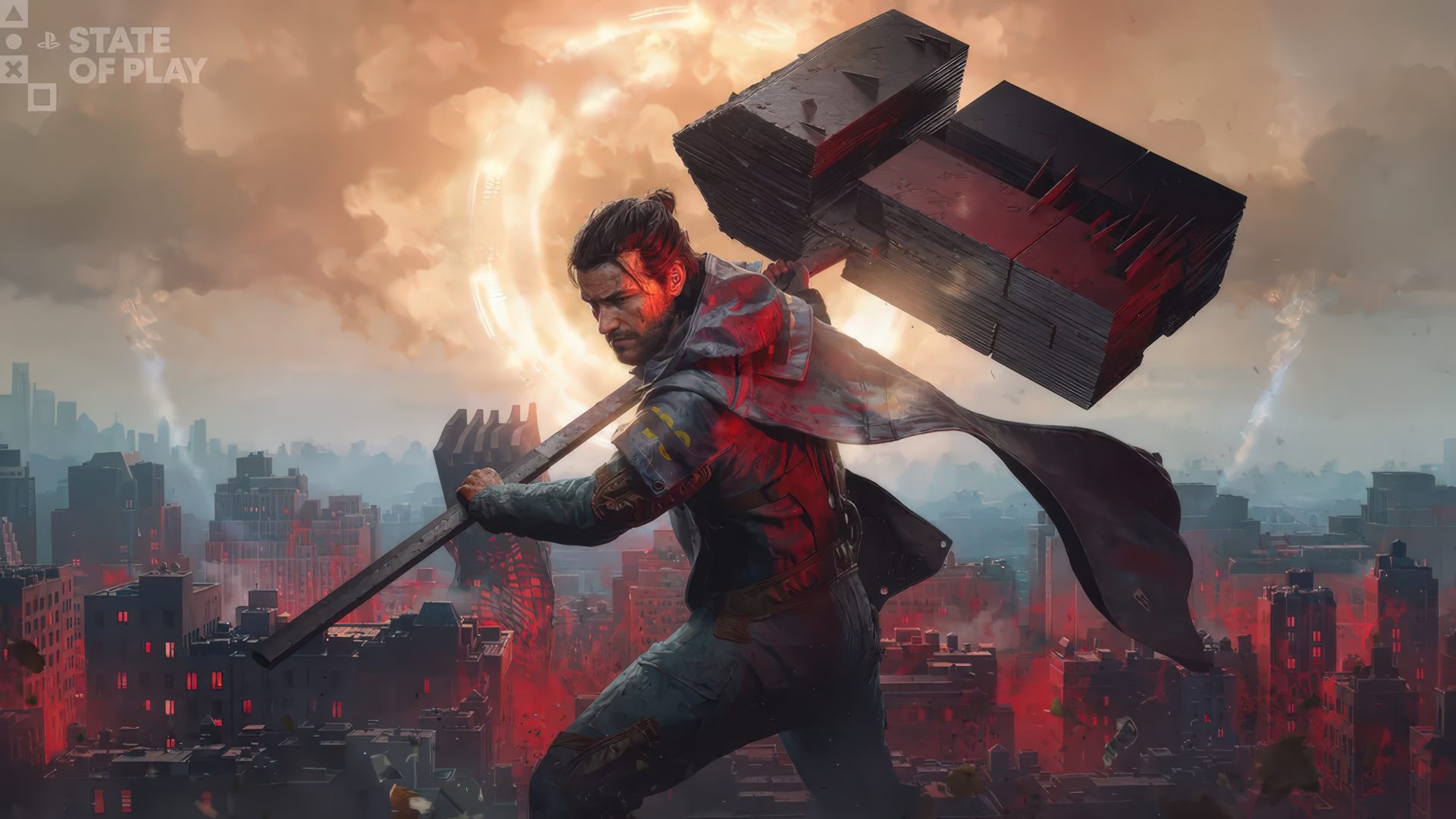
The God of War saga takes another bold leap into uncharted territory with Ragnarök, a title that not only continues Kratos' journey but also expands the narrative to include his wife, Atreus. This installment is poised to redefine the series' mythological depth and gameplay evolution.
- A new protagonist, Laufey, steps into the spotlight alongside Kratos and Atreus.
- The story unfolds in a post-Ragnarök world, exploring the aftermath of Norse mythology's end times.
- Gameplay innovations include refined combat mechanics and expanded exploration.
- The narrative delves deeper into the legacy of gods and heroes, blending personal and mythic stakes.
The transition from Kratos to Laufey marks a significant shift in the series. While Kratos' story has been one of vengeance and redemption, Laufey's arc introduces fresh perspectives on power, survival, and the consequences of myth. This duality ensures that the narrative remains dynamic, avoiding stagnation while honoring the franchise's roots.
Gameplay evolution is equally notable. Ragnarök builds upon the combat refinements introduced in previous entries, with a focus on fluidity and environmental integration. The open-world design allows for seamless transitions between large-scale battles and intimate character moments, reinforcing the emotional weight of the story. Exploration is also a key pillar, with the world reacting dynamically to player choices, adding layers of replayability.
The most compelling aspect of Ragnarök is its mythological ambition. By setting the stage in a post-Ragnarök world, the game doesn't just conclude old stories—it plants the seeds for new ones. This approach ensures that the series remains relevant and innovative, even as it revisits familiar themes with renewed depth.
In essence, Ragnarök is more than a continuation; it's a reinvention of the God of War formula. By introducing a new protagonist and expanding the lore, the game solidifies its place in both storytelling and gameplay innovation within the industry.