Samsung’s camera innovation pipeline may finally shift into gear with the upcoming Galaxy S26 series. After years of relying on computational photography to compensate for static hardware, the company is reportedly revisiting a long-discarded feature: variable aperture photography. The technology, last seen in the Galaxy S9 and S9+ in 2018, could make a comeback—this time as a direct response to Apple’s expected adoption of the same in the iPhone 18 Pro models.
The move would mark a rare hardware upgrade in Samsung’s flagship cameras, where progress has stalled for multiple generations. Variable aperture adjusts the lens opening dynamically—shifting between wide (F/1.5) and narrower (F/2.4) settings—to optimize performance in bright or dim lighting. Samsung initially scrapped the feature due to concerns over bulk and manufacturing costs, but with Apple now poised to integrate it, the pressure to compete may have forced a rethink.
Development is still in early stages, with Samsung’s Electro-Mechanics division and partner MCNEX reportedly producing prototype samples for evaluation. Whether the Galaxy S26 series will ship with the feature remains uncertain, but industry sources suggest Samsung is now ‘strongly committed’ to adoption. If realized, this could signal the start of a new era for Samsung’s camera technology—one that might finally shake off criticism of stagnation.
Why It Matters for Photographers
For mobile photography enthusiasts, variable aperture isn’t just about technical specs—it’s about real-world flexibility. The ability to switch between aperture settings on the fly could mean sharper images in low light without sacrificing depth of field in bright conditions. Samsung’s original implementation in 2018 offered two stops (F/1.5 and F/2.4), and while Apple’s approach for the iPhone 18 Pro remains unconfirmed, the principle is the same: adaptability without manual intervention.
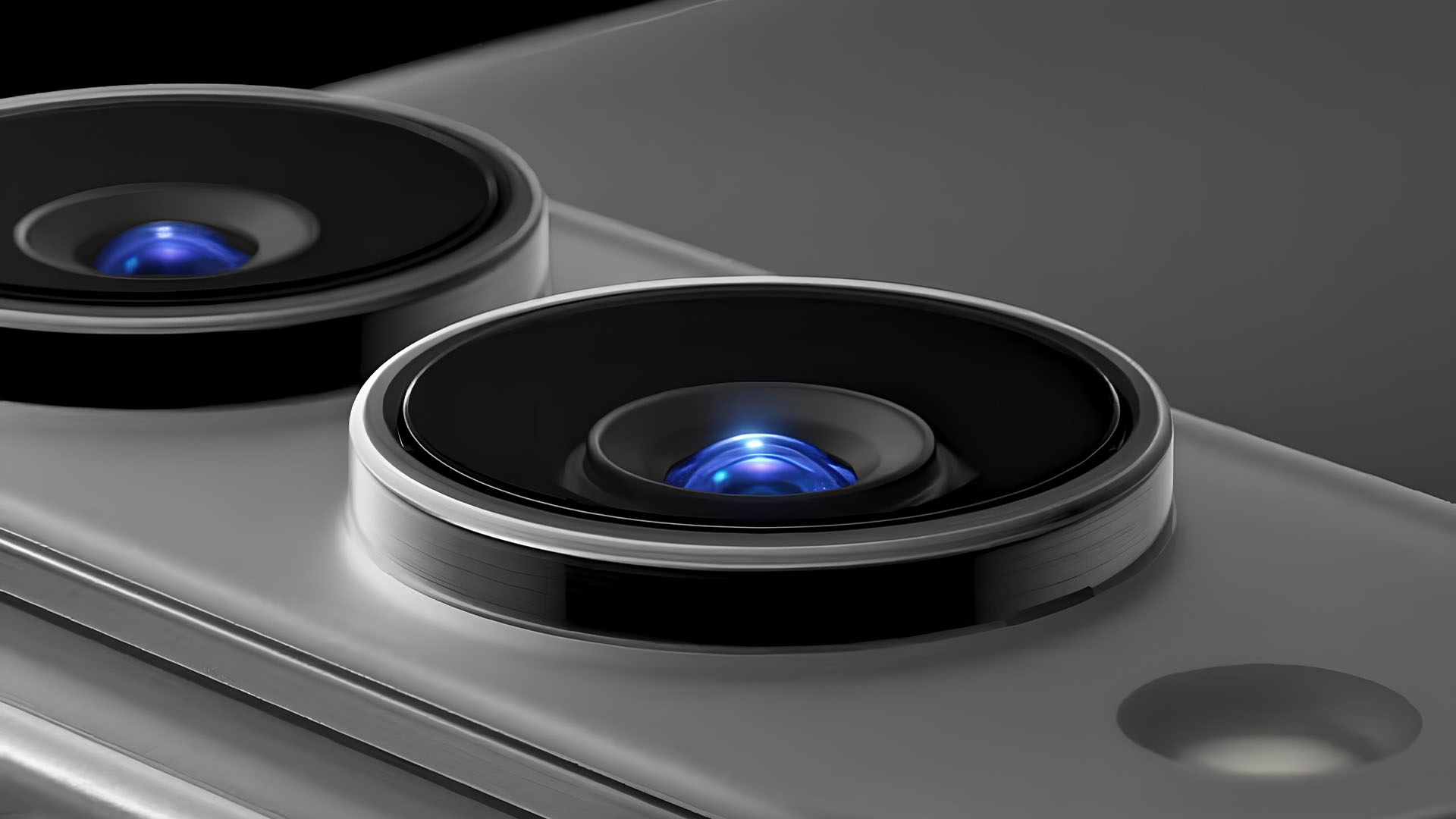
This isn’t just a hardware win—it’s a potential software synergy play. Samsung has long relied on computational photography to simulate depth effects, but a physical variable aperture would allow for more authentic bokeh and better low-light performance. Early adopters of the Galaxy S9+ praised the feature for its versatility, and if Samsung refines the mechanics, the S26 series could deliver a camera experience closer to what DSLR users expect.
A Race to Catch Up
Apple’s push into variable aperture isn’t just about one-upmanship—it’s a strategic move to elevate smartphone photography. By integrating the feature into its Pro models, Apple is setting a new benchmark, and Samsung, as the closest competitor, may have little choice but to follow. The stakes are high: Samsung’s flagship cameras have faced criticism for lacking innovation, and a hardware upgrade could be just the catalyst needed to reignite interest in its premium lineup.
There’s also a manufacturing angle. Samsung’s decision to abandon variable aperture in past models was partly driven by concerns over lens thickness and production complexity. However, advancements in miniaturization and manufacturing partnerships (like those with MCNEX) may have addressed some of those challenges. If the S26 series includes the feature, it could pave the way for future iterations to explore even more sophisticated camera systems—such as periscope zooms or multi-aperture configurations.
Who Stands to Gain?
- Photography Enthusiasts: Users who demand DSLR-like control in a smartphone will benefit from the dynamic range and low-light performance variable aperture provides. Early feedback from the Galaxy S9+ suggested the feature appealed to hobbyists and semi-professionals.
- Casual Shooters: Even those who don’t manually adjust settings will notice improved autofocus and exposure consistency, especially in mixed lighting scenarios.
- Competitors: If Samsung succeeds, other brands may feel compelled to innovate further, accelerating the pace of camera technology in smartphones.
- Samsung’s Brand