The semiconductor industry is bracing for a sharp drop in memory output after Samsung began scaling back production ahead of an 18-day worker strike. The move, which will limit wafer processing and reduce DRAM and NAND Flash output, could tighten supplies just as demand for high-bandwidth memory ramps up for AI workloads.
Samsung’s decision to shift into emergency mode comes as more than half of its semiconductor division workforce has joined the strike. While automated lines can still operate at minimal capacity, manual oversight is required for critical processes like wafer handling and testing. Industry analysts estimate that 3-4% of global DDR5 supply could be lost, along with a similar portion of NAND Flash production—both key components in modern GPUs.
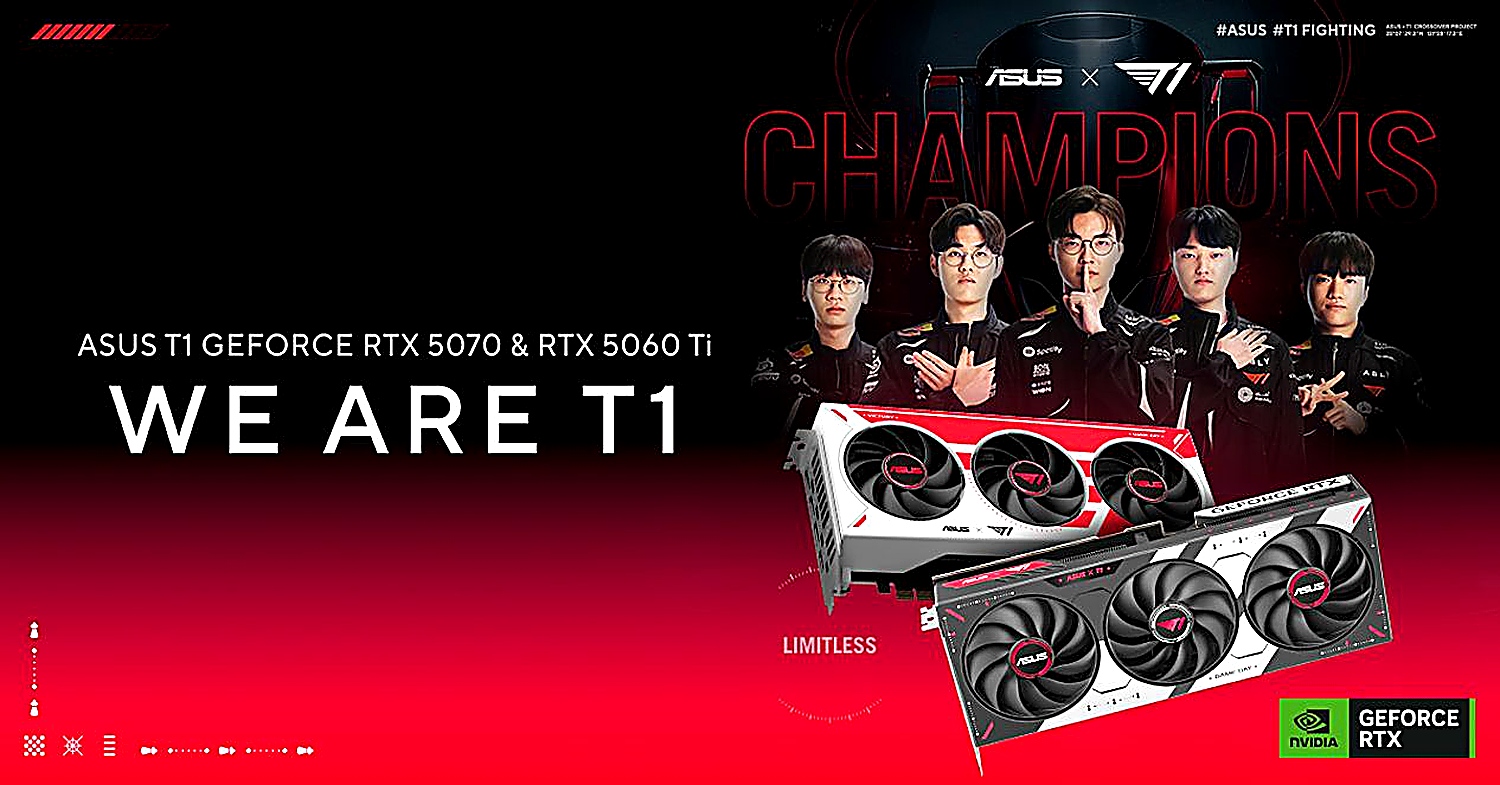
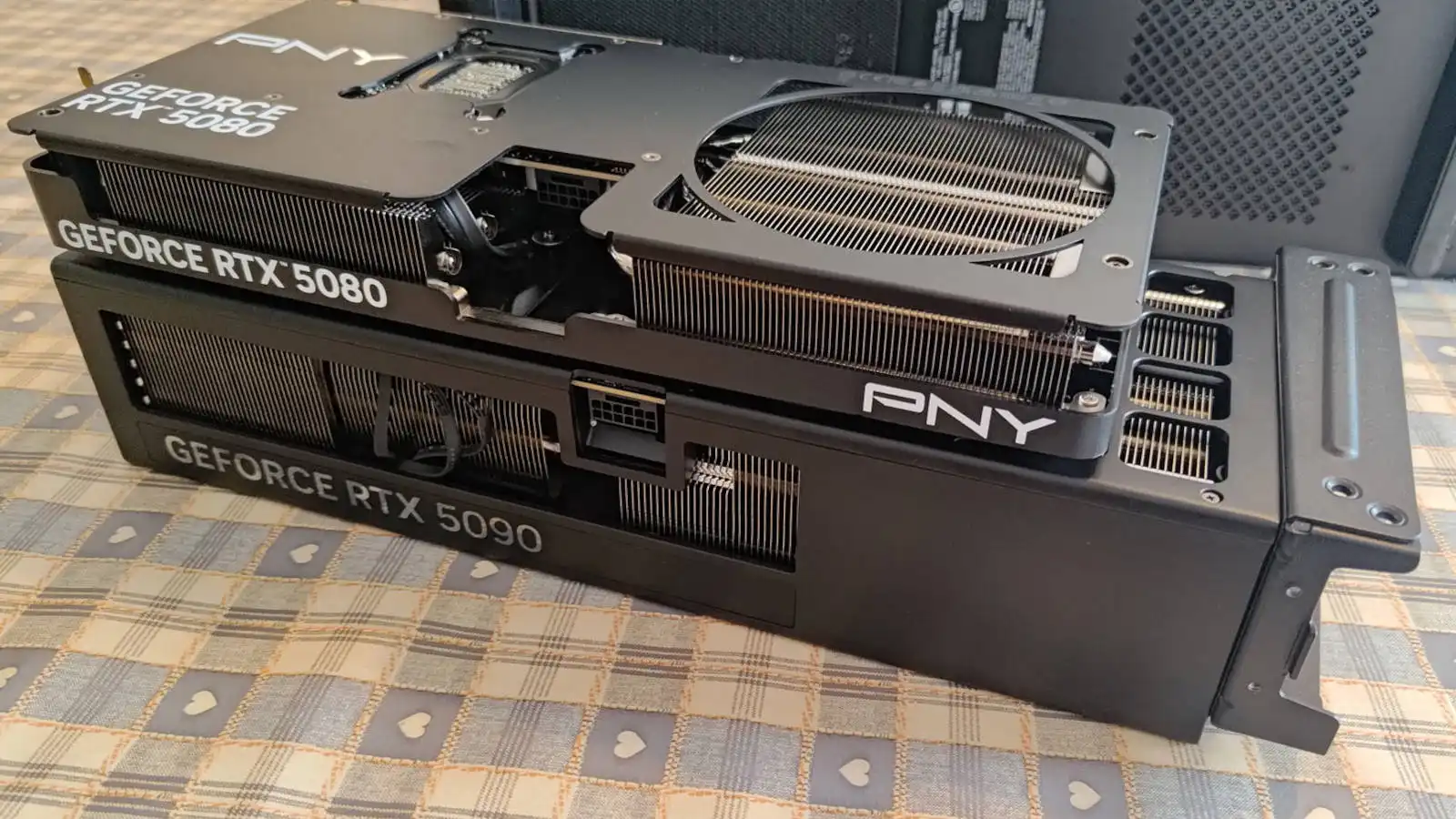
For GPU manufacturers, the timing is particularly sensitive. NVIDIA’s upcoming RTX 50 series, including the RTX 5090 and RTX 5070 models, relies on advanced DDR5 memory modules and HBM stacks for high-performance configurations. If Samsung’s output declines further, alternative suppliers like SK hynix or Micron may struggle to meet demand, potentially pushing prices higher or delaying product launches.
The strike is expected to begin on May 21, with production already slowing in the lead-up. Restoring full capacity could take two to three weeks afterward, meaning a cumulative impact of roughly six weeks on Samsung’s high-volume lines. While the company has not confirmed whether specific GPU-related memory lines are affected, HBM and DDR5 production are explicitly mentioned as targets.
That’s the upside—here’s the catch: even if alternative suppliers step in, long-term contracts for next-gen GPUs are often locked months in advance. If Samsung’s disruption drags on, it could force GPU makers to rethink their roadmaps, particularly for models slated for 2027 or later that rely on DDR5 speeds beyond current market norms.
For now, the focus is on minimizing fallout. Samsung has not disclosed whether it will prioritize certain customer orders, but competitors are already preparing contingency plans. The broader question remains: how deep will this disruption run? If the strike extends or similar labor actions spread, the memory shortage that’s only just begun to ease could re-ignite with unexpected force.