Dell’s latest 14S and 16S laptops aim to redefine the mid-range laptop segment by merging performance with practicality. Unlike some competitors that focus solely on raw power, these devices prioritize efficiency without sacrificing capability—a balance that could appeal to professionals who demand both productivity and longevity from their hardware.
The design of both models reflects this ethos, featuring lightweight aluminum construction that keeps weight manageable while accommodating larger screens. The 14-inch 14S weighs approximately 3.25 lbs (1.49 kg), making it one of the lighter options in its class, whereas the 16-inch 16S is slightly heavier at 4 lbs (1.79 kg). Despite the added screen size, both maintain a slim profile—just over an inch thick—though the longer footprint of the 16S makes it less suited for portability compared to ultrabooks.
Performance is driven by Intel’s Core Ultra Series 3 processors, including the high-end Ultra 9 386H. This chip can be paired with up to 32 GB of LPDDR5X memory and a 1 TB PCIe NVMe SSD in top configurations. A standout variant is the Core Ultra X7 358H, which integrates Intel Arc graphics, doubles RAM capacity to 32 GB, and expands storage options—though these upgrades come with a noticeable price increase.
Display choices are tailored to different workflows. The 14S offers an FHD+ OLED touchscreen, while the 16S pushes into 2.8K OLED resolution, both supporting 144 Hz refresh rates. This ensures smooth visuals for tasks ranging from coding and video editing to general multitasking, catering to users who rely on high-refresh-rate displays without the premium price tag.
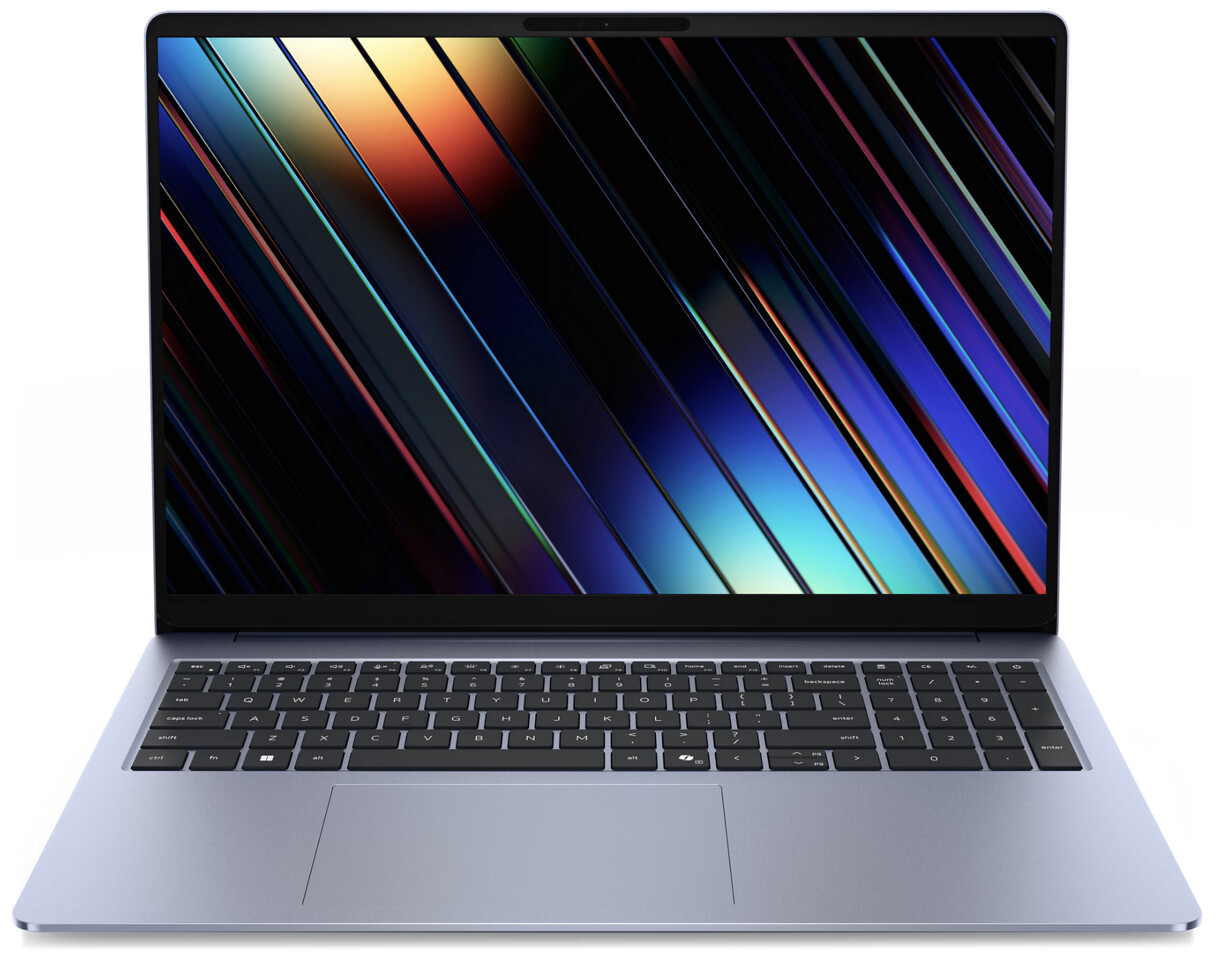
Connectivity is where these laptops stand out most. Dual Thunderbolt 4 ports with DisplayPort 2.1 support handle high-bandwidth tasks efficiently, while HDMI 2.1 ensures compatibility with external monitors up to 8K resolution. Wi-Fi 7 provides faster wireless performance, and a 70 Wh battery paired with a 65 W USB-C charger delivers competitive runtime—though real-world usage will determine how long this lasts under heavy loads.
For developers, the inclusion of Copilot+ AI capabilities via Intel’s onboard NPU hardware adds significant value. This feature allows for AI-assisted tasks like code completion or data analysis without requiring dedicated GPU power, making it an attractive option for those working with AI tools but not necessarily needing high-end graphics performance.
Pricing starts at $1,319, positioning these laptops as a mid-tier alternative to more budget-friendly models. While they may not offer the raw power of high-end gaming or workstation laptops, their balance of performance, portability, and price could make them a compelling choice for professionals who prioritize efficiency without sacrificing capability.
The exact availability timeline is still unclear, but given Dell’s typical release schedule, these models are expected to hit the market within the next few weeks. Prospective buyers will need to weigh whether this balance of features justifies the investment over competitors, particularly if they require more powerful graphics or longer battery life under sustained workloads.