Intel’s factories are no longer discarding defective chips. In a rare twist for the semiconductor industry, the company is now packaging edge dies—those on the perimeter of silicon wafers that typically fail yield tests—into usable processors. This strategy, driven by relentless market demand, ensures nearly every die leaves Intel’s production lines as a marketable product.
The practice, confirmed by industry analysts, applies to high-end Xeon 6 Granite Rapids CPUs built on the Intel 3 process node. Normally, dies with disabled cores due to yield or power constraints would be scrapped. Instead, they’re being reborn as lower-core-count SKUs, reducing waste while meeting customer needs during one of the tightest CPU shortages in history.
For hyperscalers and enterprise buyers, this means access to processors that might otherwise have been discarded. While Intel’s foundry operations have improved yields across nodes like Intel 4 and 18A—boosting gross margins by $72 million quarter-over-quarter—the company is now going further by extracting value from what was once considered scrap.
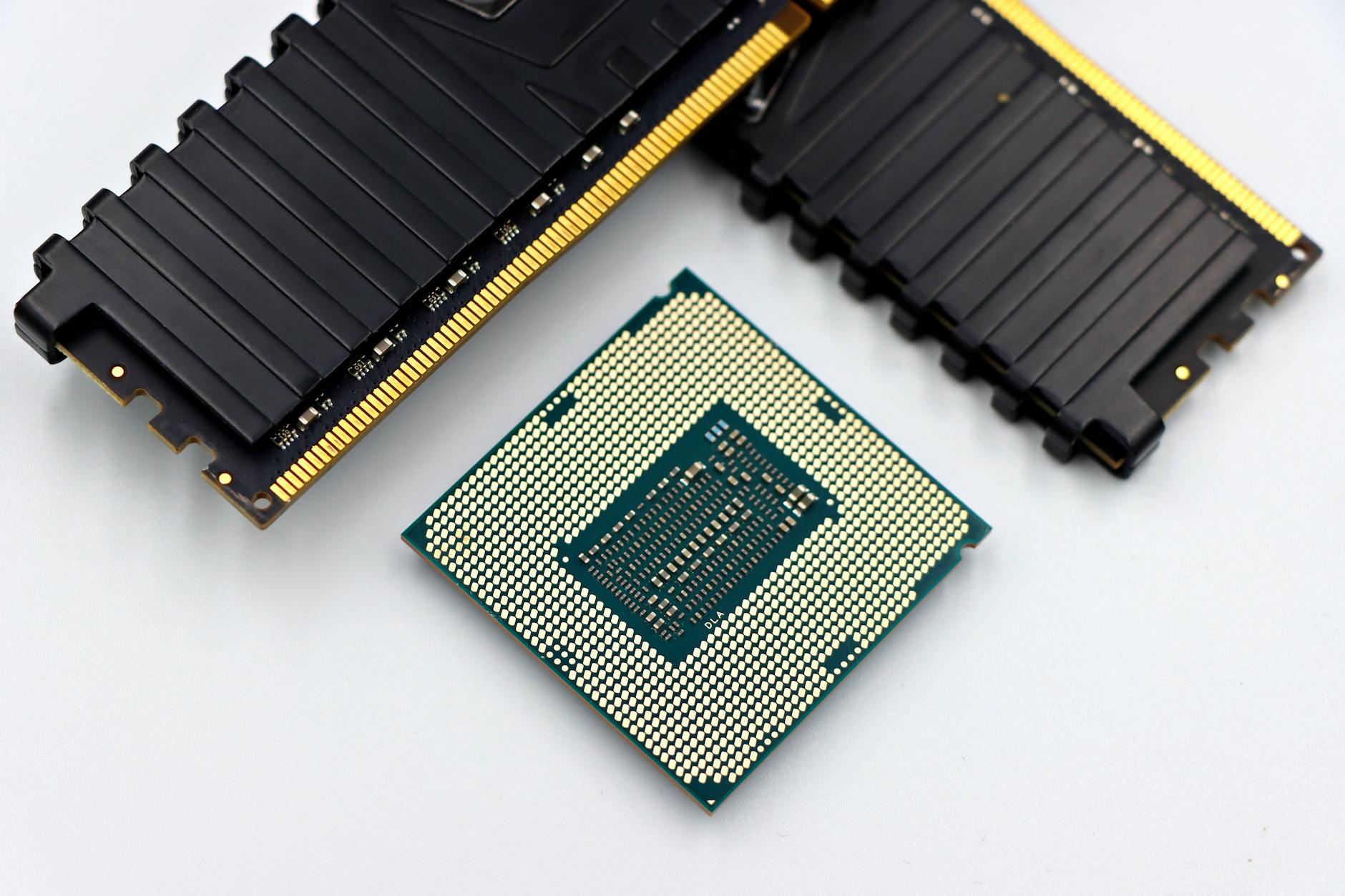
- Key Specs:
- - Process Node: Intel 3 (Xeon 6 Granite Rapids)
- - Repurposed Dies: Edge dies with disabled cores due to yield/power constraints
- - Resulting SKUs: Lower-core-count variants of high-end Xeons
This approach underscores a broader industry shift: when demand outstrips supply, manufacturers must rethink waste. For developers and data center operators, the news signals a potential increase in available CPUs—though with tradeoffs in performance and power efficiency. Whether this trend extends to consumer chips remains unclear.
The move also raises questions about long-term sustainability. If Intel continues prioritizing volume over yield, it could further strain its foundry operations. Yet for now, the strategy aligns with a market where every usable die holds value.