Intel’s latest move with its Raptor Lake Refresh processors is reshaping the landscape for business workstations. The reintroduction of the Core i7-230H and Core i5-205H, both stripped of integrated graphics, suggests a deliberate pivot toward high-end, GPU-dependent workloads. This shift could have significant implications for IT departments managing mobile fleets, particularly in environments where discrete GPUs are already standard.
The Core i7-230H delivers 14 cores (8 performance and 6 efficiency) with P-cores reaching up to 5.1 GHz and E-cores at 4.0 GHz. It is paired with Intel Arc integrated graphics, though only in configurations where a dedicated GPU is present. The Core i5-205H offers 6 cores (4 performance and 2 efficiency), with P-core speeds hitting 4.9 GHz and E-cores at 3.8 GHz. Neither model includes the traditional integrated graphics engine, effectively restricting their use to systems where external GPUs are mandatory.
For IT administrators, this change introduces both opportunities and challenges. On one hand, the performance gains—particularly in single-threaded and multi-threaded workloads—are substantial, making these processors ideal for tasks like rendering, data analysis, or complex multitasking. However, the absence of integrated graphics eliminates a key feature that had previously made lower-cost deployments viable. Businesses that rely on laptops without discrete GPUs may find themselves with fewer options, potentially increasing hardware costs.
Power efficiency is another concern. Without integrated graphics, these processors may draw more power than necessary in scenarios where a dedicated GPU isn’t required. This could lead to higher operational costs, particularly for mobile devices where battery life is a critical factor. Additionally, the lack of clarity on pricing and availability timelines leaves businesses in a limbo, unable to assess whether these processors offer a viable alternative to existing models.
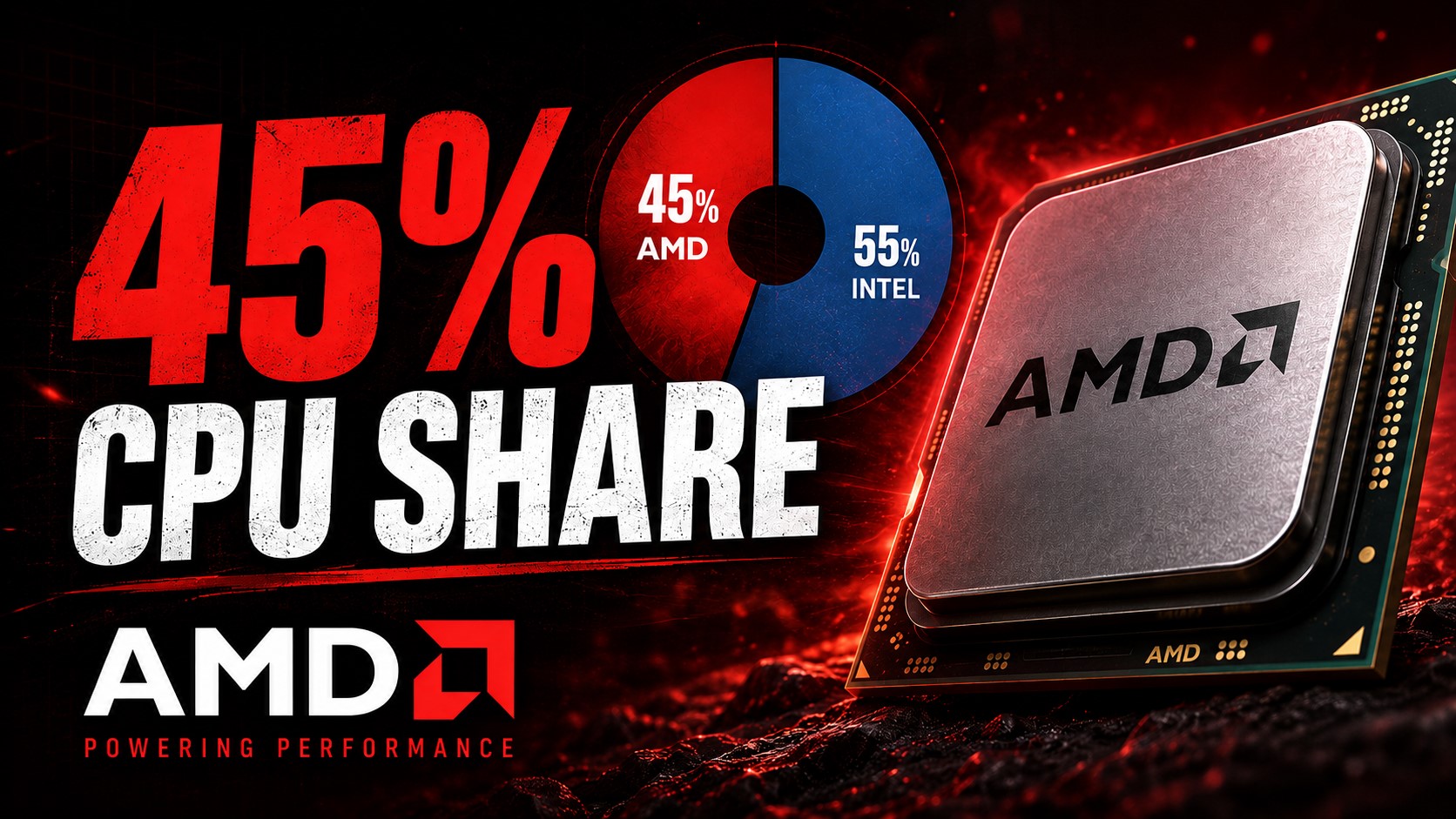
Looking ahead, this move raises questions about Intel’s long-term strategy. If integrated graphics are phased out entirely for high-end mobile parts, it could force businesses to reconsider their hardware strategies. Competitors like AMD, which still offers iGPU options in its Ryzen Pro lineup, may benefit from this shift. However, if Intel can demonstrate compelling performance advantages—particularly in areas where discrete GPUs are essential—the move could solidify its position in the business workstation market.
For now, businesses should monitor official announcements for pricing and release dates. If these processors enter the market without a clear path to cost savings, the shift could leave them with fewer choices than before. Whether this is a one-off adjustment or part of a broader trend remains to be seen, but it’s clear that Intel is making deliberate changes to its product lineup.