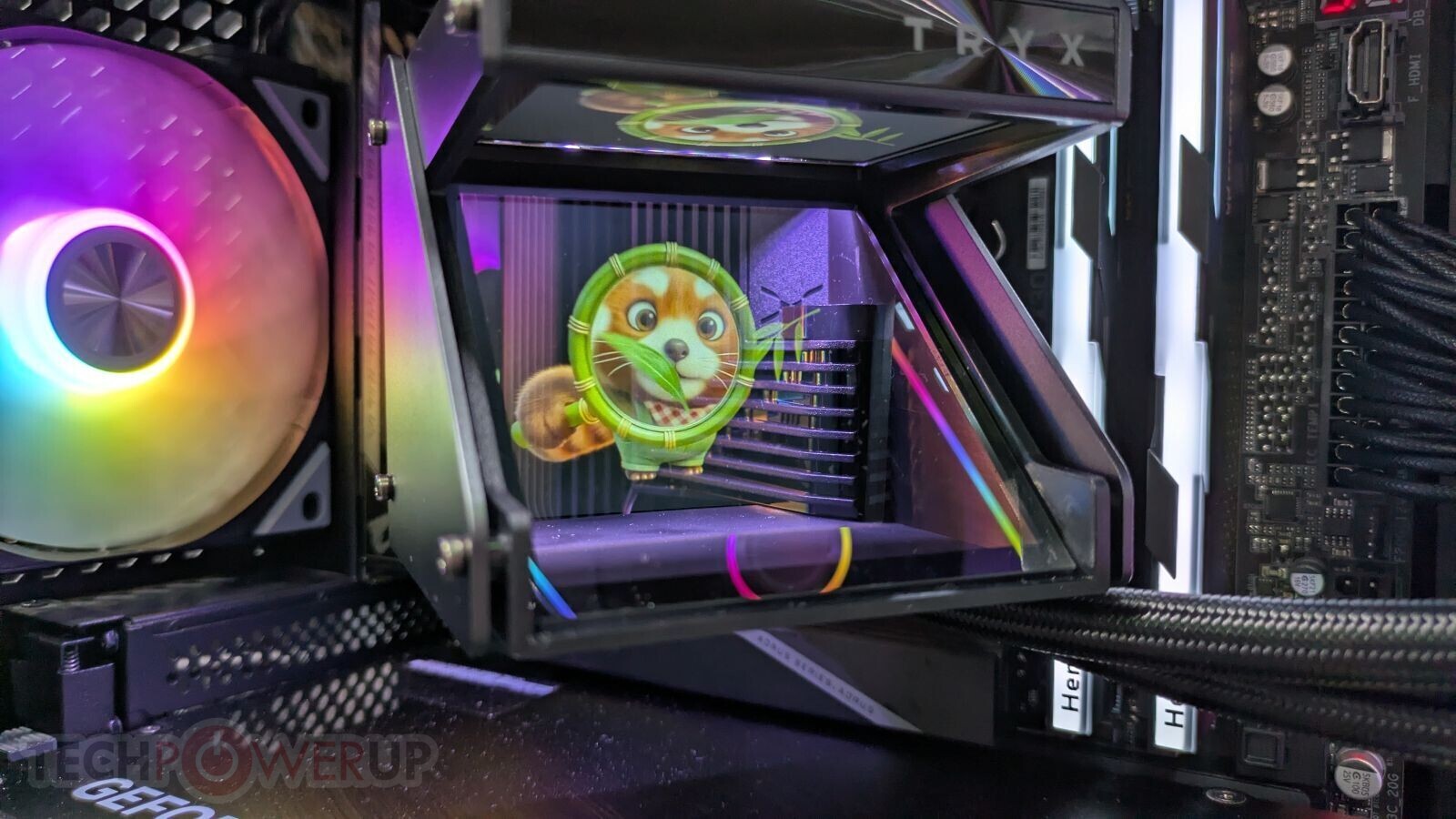
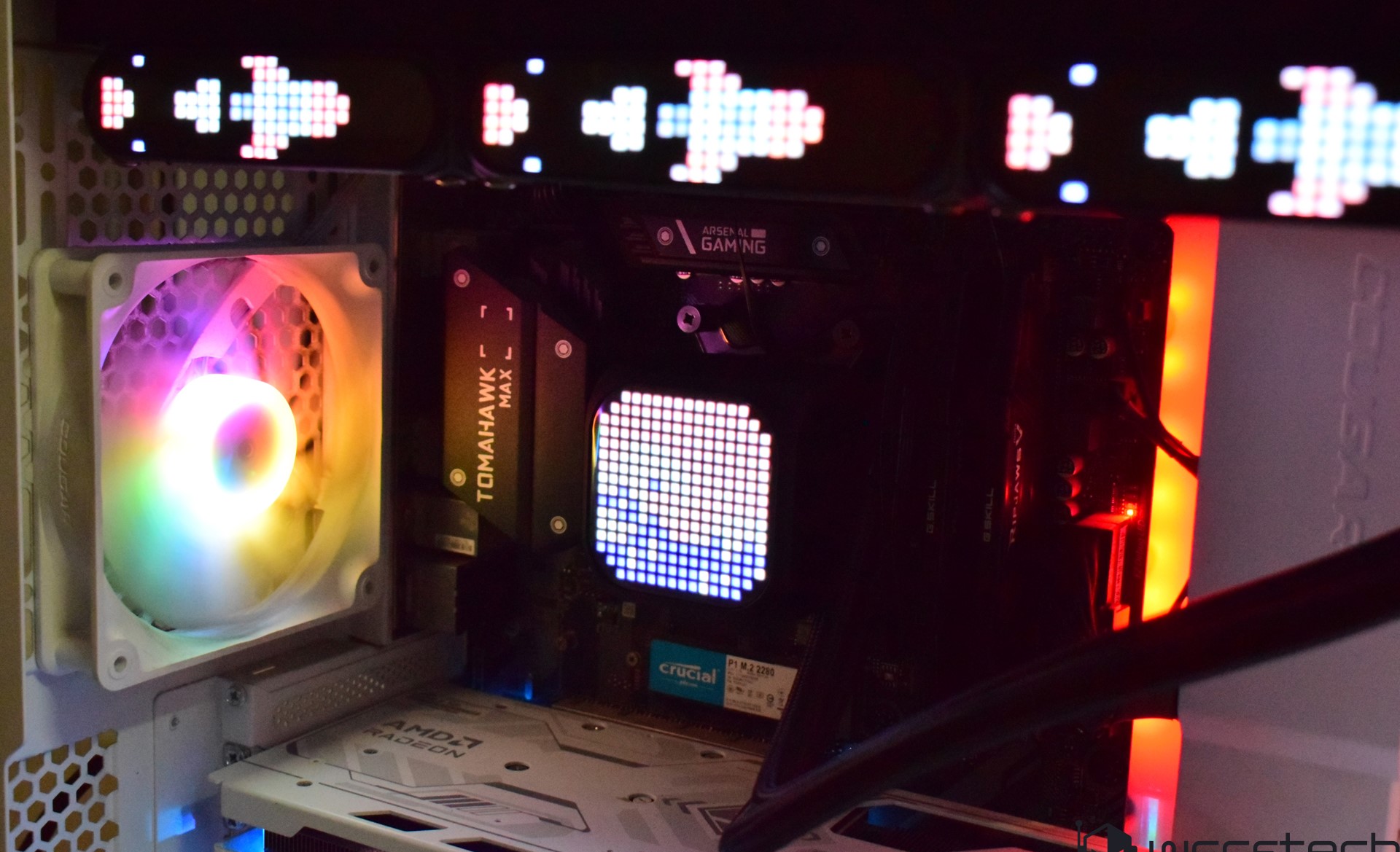
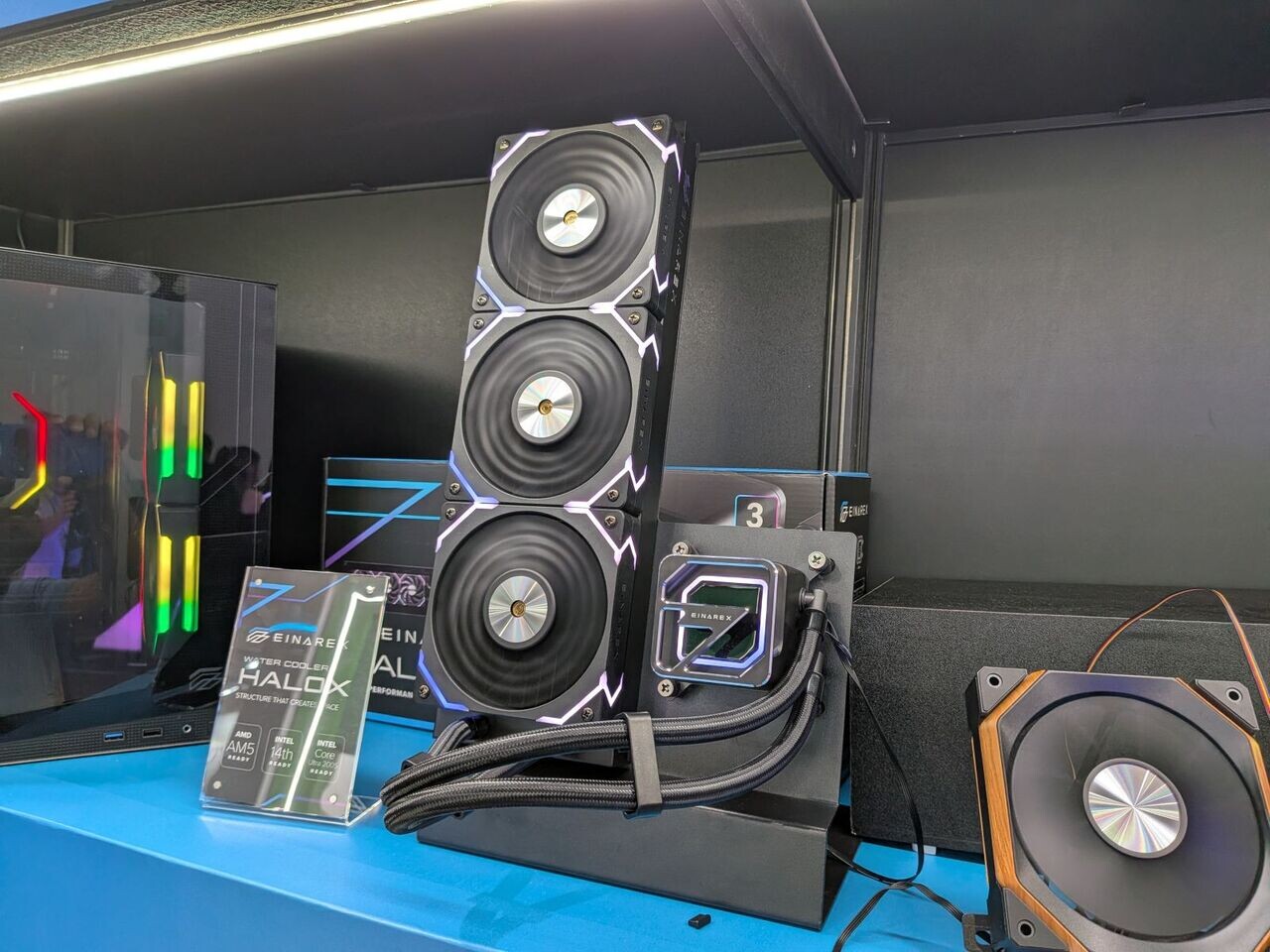
Einarex has unveiled three new PC cases at Computex 2026, each engineered to optimize airflow while accommodating the largest components of modern systems. The Zenith Z600 stands out for its dual-chamber layout and panoramic glass panels, while the Prisma S600 and Pulse P800 offer distinct approaches to cooling and aesthetics—one with a hidden PSU, the other with wood accents and side-mounted radiators.
The Zenith Z600 is designed as a mid-tower case with a forward-angled front panel and sculpted PSU shroud, both intended to improve thermal performance. It supports standard ATX motherboards, graphics cards up to 420 mm in length, CPU coolers reaching 182 mm, and radiators up to 360 mm. The dual-chamber layout separates the power supply from the rest of the system, reducing clutter while maintaining accessibility for maintenance.
Thermal efficiency is a recurring theme across Einarex’s new cases. The Prisma S600, positioned between the company’s existing S500 and S800 models, adopts a similar hidden-PSU design but with a more compact footprint. It supports ATX motherboards, graphics cards up to 415 mm, CPU coolers up to 160 mm, and standard 360 mm radiators. The Pulse P800 takes a different approach, featuring wood accents and a transparent side panel while offering support for up to 13x 120 mm fans and radiators mounted on the side or top—including 240 mm units at the bottom and front.
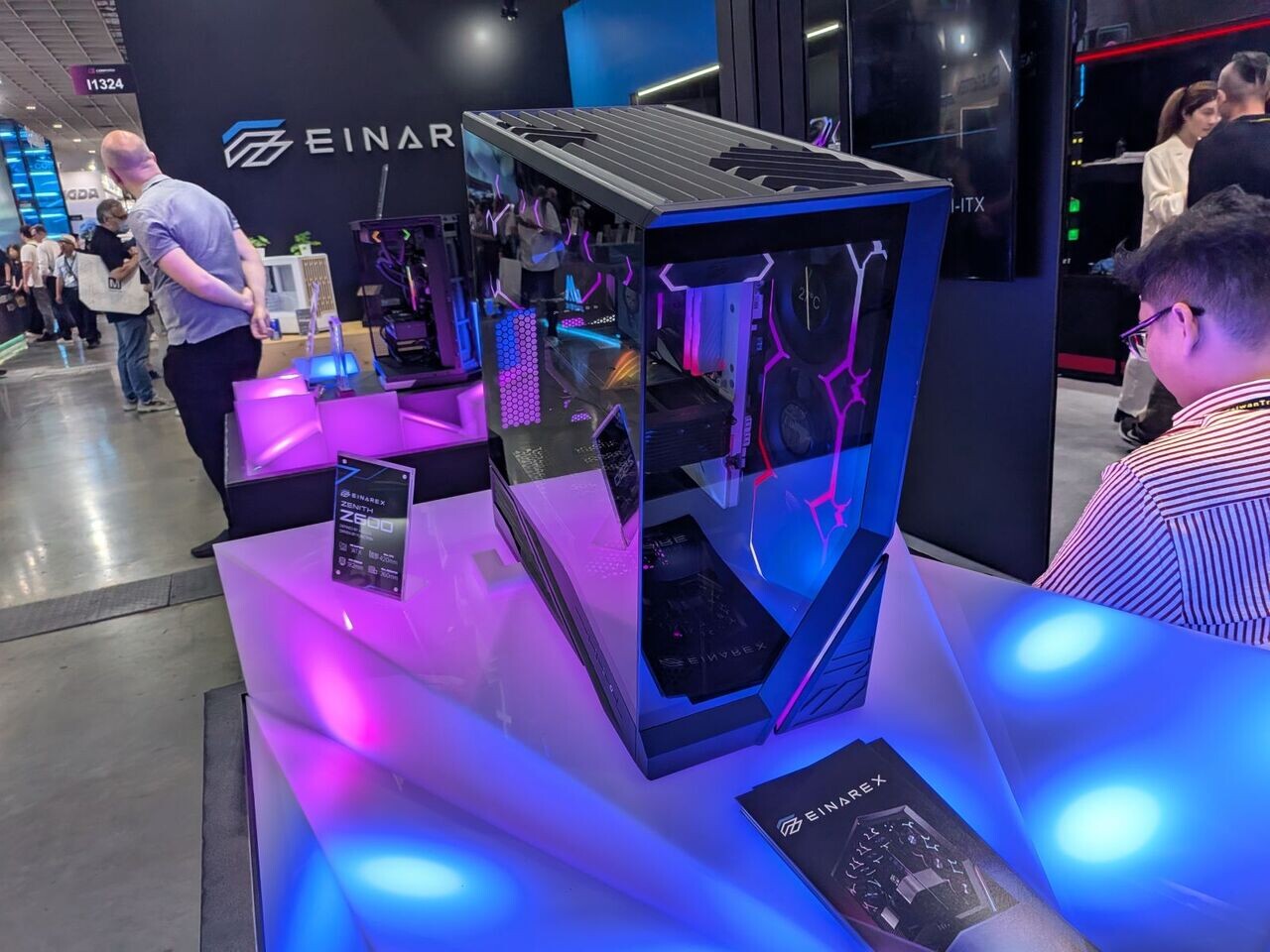
That’s the upside—here’s the catch. While all three cases excel in cooling capacity, their form factors impose tradeoffs for IT teams prioritizing future-proofing. The Zenith Z600’s dual-chamber design, for example, may limit cable management flexibility compared to single-chamber layouts. Similarly, the Pulse P800’s wood accents add visual appeal but could restrict airflow if not paired with high-performance fans.
Looking ahead, availability and pricing remain unconfirmed, leaving buyers to speculate on where these cases will fit in Einarex’s portfolio. For now, IT teams evaluating long-term builds should consider whether the thermal advantages justify the form-factor constraints—especially when compared to competitors offering similar cooling performance without hidden PSU designs or wood accents.